

The Journey into the Carpathians
(Emma and Julia drive along a winding mountain road, the scenery changing dramatically as they leave behind Sibiu’s medieval town and enter the rugged Carpathians. The air grows cooler, and patches of snow remain in the shaded valleys, despite the warmth of spring. Towering pine trees line the road, and occasional wooden cottages peek through the trees.)
Emma: (Looking out the window) This feels like an entirely different world compared to Sibiu.
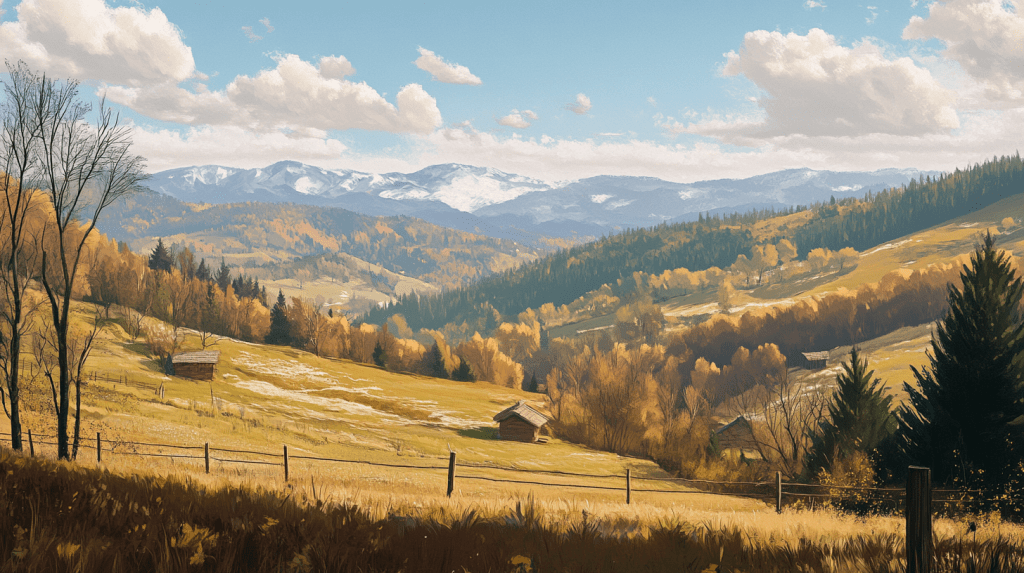
Julia: (Nods) The Carpathians have always been a place of mystery. For centuries, they’ve served as both a refuge and a barrier—hiding villages, fortresses, and monasteries from invaders.
Emma: And yet, despite their isolation, people have thrived here.
Julia: (Smiling) That’s the thing about mountain communities. They’re incredibly resilient, adapting to harsh winters, rugged terrain, and limited resources.
(As they drive, a flock of sheep suddenly appears on the road, herded by an elderly shepherd in a traditional woolen cloak. They slow down to let them pass.)
Emma: (Laughs) I feel like we just drove into a centuries-old painting.
Julia: You’ll find that time moves differently up here.
Arriving at the Monastery – A Timeless Sanctuary
(They reach the entrance of a secluded monastery, its whitewashed stone walls blending with the mountain landscape. A wooden gate creaks open, and a bearded monk in a simple black robe welcomes them inside. The courtyard is silent except for the sound of birds and the soft rustling of trees.)
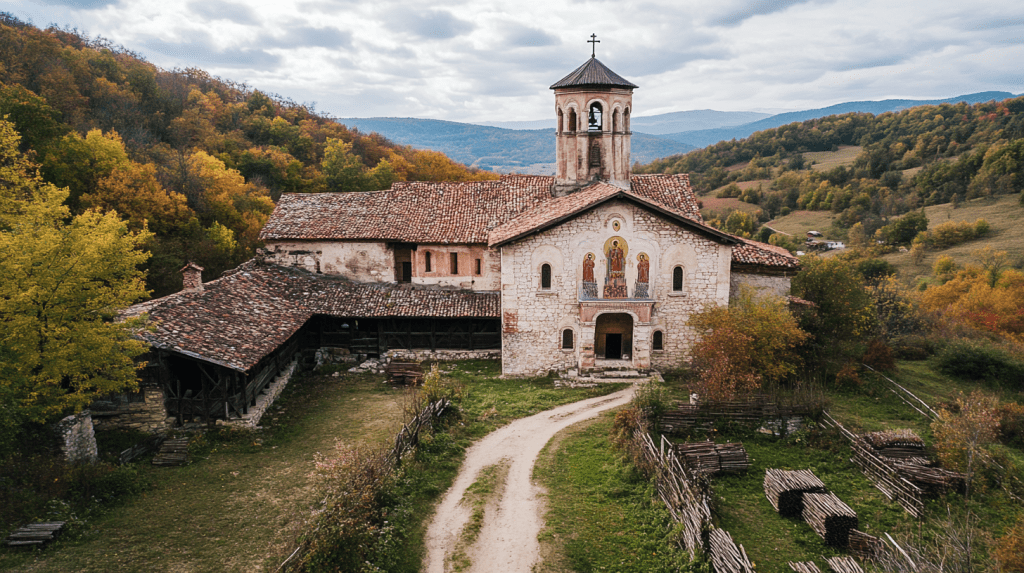
Monk: (Smiling) Welcome. Few travelers make it up here this time of year.
Emma: We wanted to see this place and learn about its history. It feels like stepping back in time.
Monk: (Nods) This monastery has stood here for over four centuries. It was built as a place of refuge during the Ottoman invasions, and later, during communist rule, it became one of the few places where faith was quietly preserved.
Julia: I’ve read that many monasteries in Romania also played a role in preserving literature and knowledge.
Monk: That is true. Our library holds manuscripts dating back to the 16th century—some written in Old Church Slavonic, others in Latin and Romanian.
(He gestures toward a small stone building. Inside, shelves filled with ancient books line the walls, and a single candle flickers next to an open manuscript.)
Emma: (Whispering) This is incredible. It reminds me of something out of an old scholar’s study.
Monk: Knowledge is as sacred as prayer. For centuries, monks not only copied religious texts but also studied astronomy, medicine, and agriculture.
(They spend some time exploring the monastery’s frescoes, then step outside, where the scent of pine and wildflowers fills the crisp mountain air.)
Staying at a Village Inn – A Taste of Rural Life
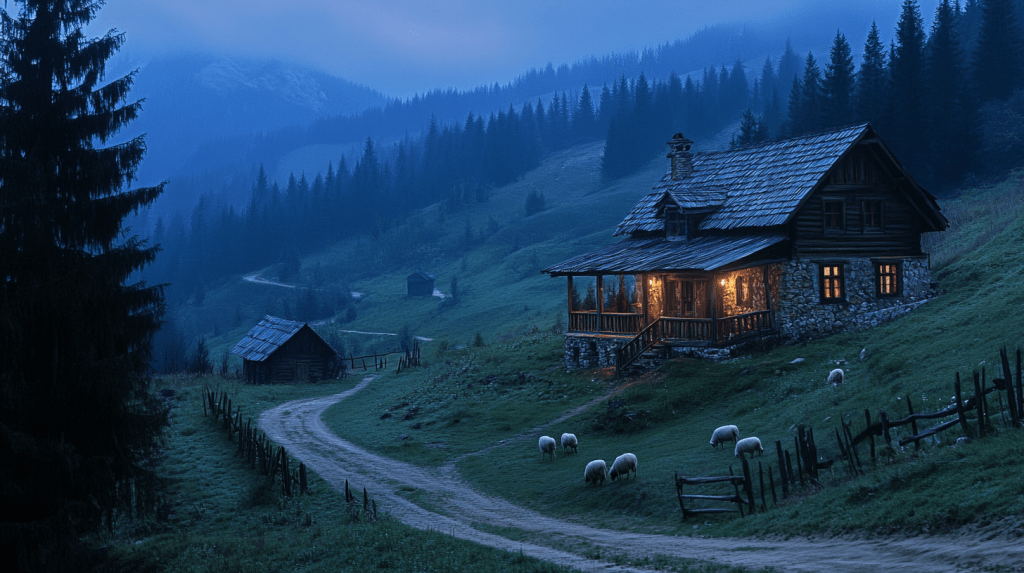
(As the sun begins to set, Emma and Julia arrive at a small inn in a nearby village. The wooden house has a sloping roof and a porch lined with carved railings. Smoke curls from the chimney, carrying the scent of burning wood. The innkeeper, a middle-aged woman in a traditional embroidered blouse, greets them warmly.)

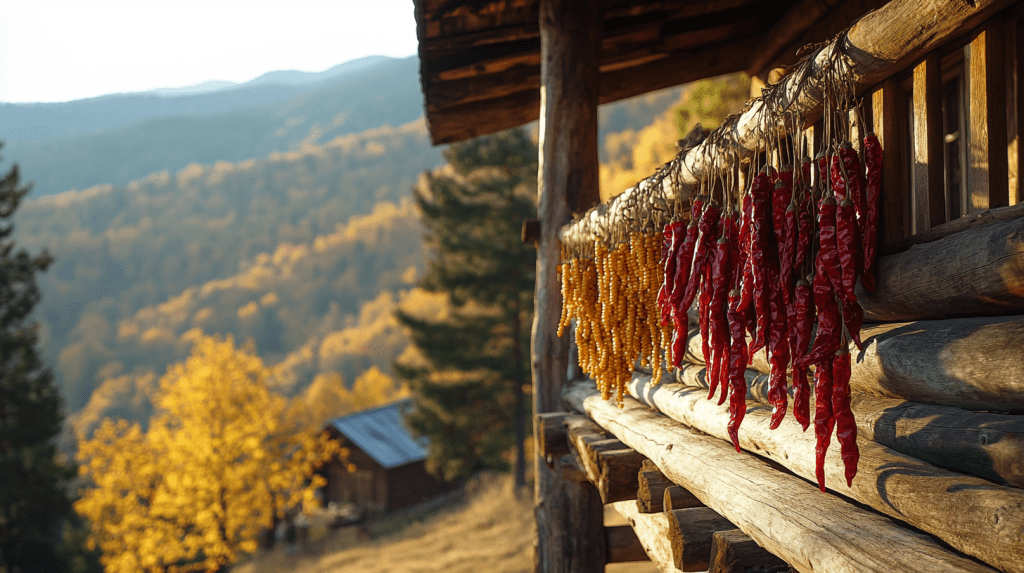
Innkeeper: You must be tired from the long drive. Come in, come in!
(The interior is cozy, with wooden beams, thick woven rugs, and a long table covered in colorful Transylvanian textiles. A fire crackles in the stone hearth, and the scent of slow-cooked stew fills the air.)
Emma: (Sighing contentedly) This is exactly the kind of place I imagined staying in.
Julia: It feels like something out of a folklore story.
Innkeeper: (Laughs) You’re not the first to say that! Life here follows the rhythm of nature—spring means planting, summer is for tending the flocks, and winter… winter is for storytelling.
(She sets down steaming bowls of ciorbă de burtă (tripe soup) and sarmale (stuffed cabbage rolls) with freshly baked bread.)
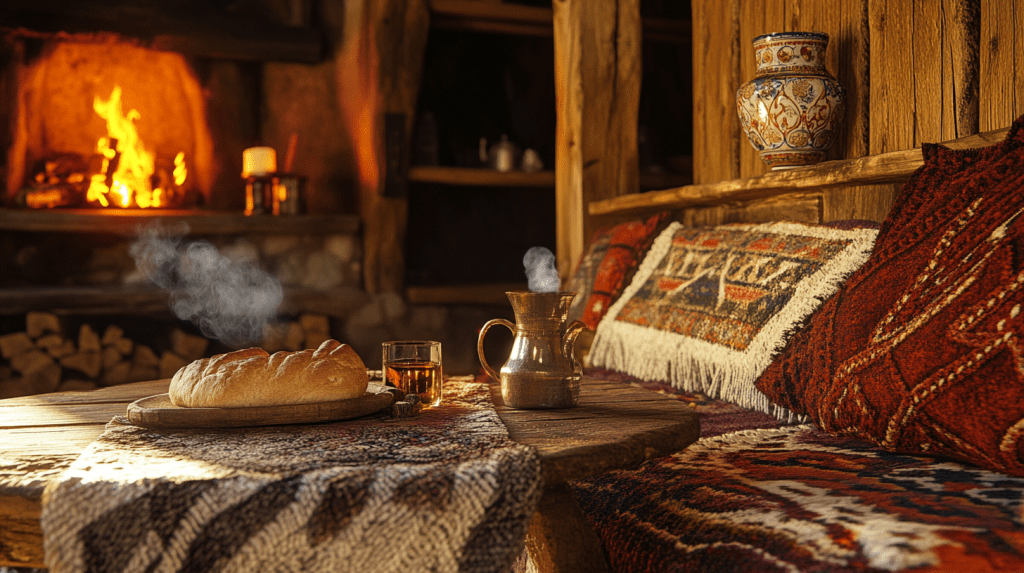
Emma: (Taking a bite) This is amazing. The flavors are so rich and comforting.
Innkeeper: (Proudly) It’s all local—nothing from a supermarket. The cheese, the meat, even the pickles, all made right here in the village.
(They eat while the conversation drifts to local traditions and the myths of the Carpathians.)
Legends by the Fire – Mysteries of the Carpathians
After dinner, they sat around the fireplace as an elderly villager lit his pipe and began recounting the ancient legends of the Carpathian Mountains.
Emma: (Lowering her voice) This mountain range seems to be full of hidden stories. No wonder people call it “the last wilderness of Eastern Europe.”
Villager: (Takes a slow drag from his pipe) There’s another legend you might like. Once, there was a monastery hidden deep in these mountains, so secluded that only the most devout monks could find it. But one day, the monastery vanished without a trace.
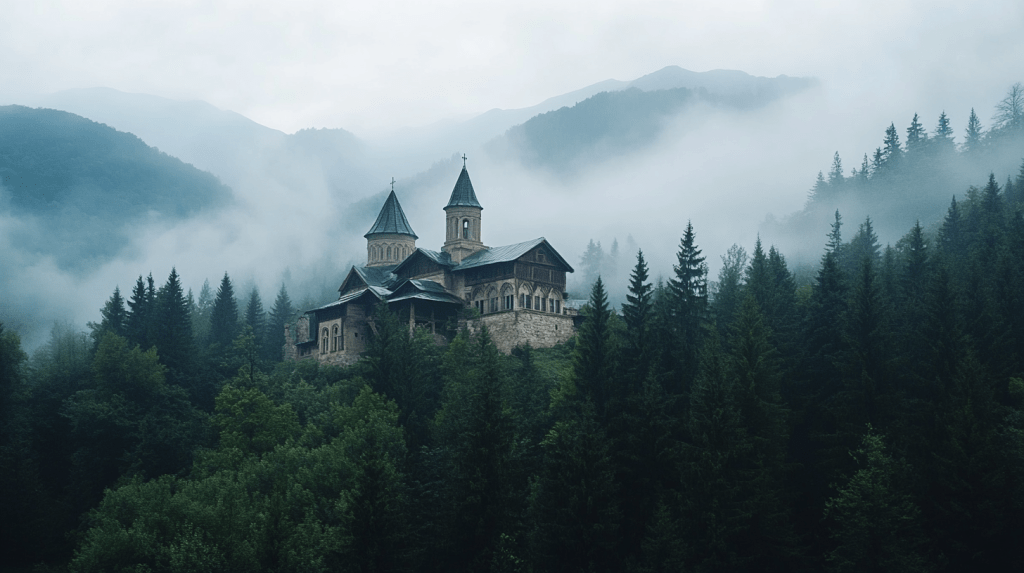
Julia: (Frowning) Vanished? The entire monastery?
Villager: Yes. The locals say the monks there were the keepers of an ancient secret, perhaps something connected to the early Byzantine relics. But one stormy night, a fierce tempest swept through the valley. When the skies cleared, the monastery, along with all the monks, was gone.
Emma: (Puzzled) How is that possible? No ruins or remains?
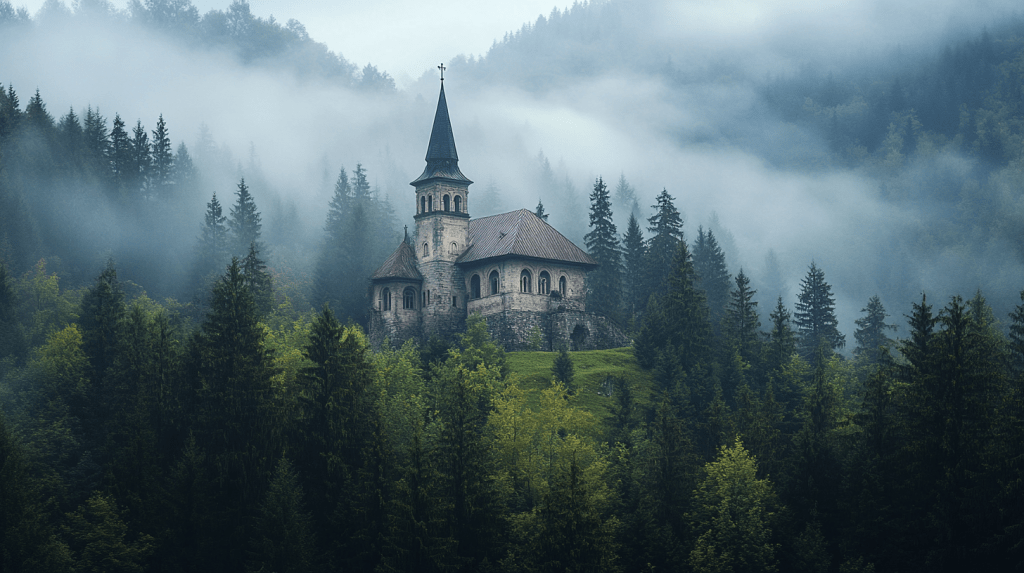
Villager: (Lowering his voice) Some hikers claim they’ve seen glimpses of a bell tower and stone walls shrouded in mist. But when they tried to approach, everything vanished… Some say the monks are still there, trapped in a different time, chanting their prayers in a parallel world. Only those with a pure heart can ever find them.
Emma and Julia instinctively glance out the window. The valley outside is engulfed in darkness, silent and still. Only the wind whispers through the trees, carrying echoes that sound almost like distant chanting.
深入喀爾巴阡山—修道院、傳說與鄉村生活

穿越喀爾巴阡山的旅途
(Emma 和 Julia 驅車行駛在蜿蜒的山路上,隨著海拔升高,景色逐漸變得遼闊。城市的喧囂消失,取而代之的是群山、廣闊的森林與偶爾閃現的木屋。儘管是春天,山谷深處仍留有殘雪,而高處的松樹間透出微涼的霧氣。)
Emma:(望向窗外)這裡和錫比烏完全是兩個世界,感覺進入了某個隱藏的角落。
Julia:(點頭)喀爾巴阡山一直都是這樣,歷史上它既是避難所,也是邊界,保護著這些山中的人們免受外來勢力的侵擾。
Emma:但即使這裡這麼偏遠,人們依舊在這些山裡生活了幾百年。
Julia:(笑)山區的社群總是特別堅韌,適應嚴寒的冬天、崎嶇的地形,以及有限的資源。
(一群羊突然出現在山路上,Emma 慢慢將車速降下來,讓羊群通過。一位身穿羊毛披風、戴著皮帽的老牧羊人走在隊伍後方,手中的木杖輕輕點地。)
Emma:(笑)我有種錯覺,彷彿我們穿越了時空,回到了幾百年前。
Julia:這裡的時間流動方式,確實和城市不同。
抵達修道院——時光靜止的地方
(他們停好車,來到一座隱藏在山林之間的修道院,白色的石牆在陽光下閃耀,周圍是高聳的冷杉樹。厚重的木門緩緩打開,一位身穿黑色長袍、滿臉鬍鬚的修道士微笑著迎接他們。)

修道士:(微笑)歡迎。這個時節,來到這裡的旅人不多。
Emma:我們想來看看這裡的歷史與文化,這座修道院看起來彷彿被時間遺忘了一般。
修道士:(點頭)這座修道院已經存在了四百多年,當初為了躲避奧斯曼軍隊的入侵而建造。在共產時期,它曾是信仰的庇護所,保護著我們的傳統。
Julia:我聽說許多修道院也在保護古老的書籍與文獻?
修道士:沒錯。我們的圖書館裡保存著 16 世紀的手稿,記錄著不僅是宗教經文,還有天文、醫學與農業的知識。
(他們走進修道院圖書館,厚重的木書架排列整齊,古老的羊皮紙手稿安靜地躺在玻璃櫃裡,燭光搖曳。)
Emma:(輕聲)這簡直像是一個學者的夢境……
修道士:知識和信仰一樣,都是我們世世代代守護的寶藏。
(在修道院逗留一陣後,他們繼續前往今晚的住宿地點——一座位於山谷中的旅館。)
山間旅館——體驗村莊生活
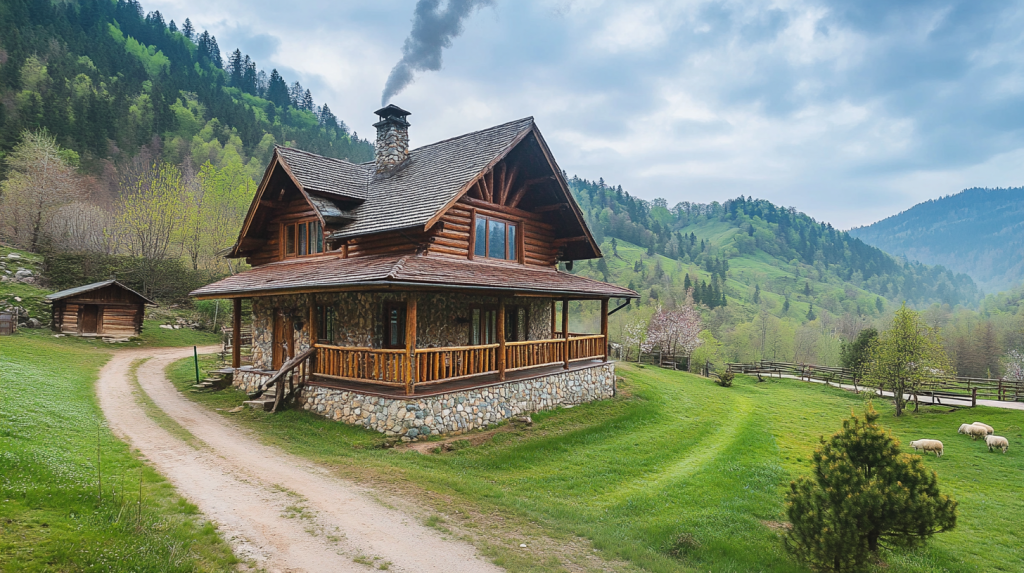
(他們抵達一座溫暖的家庭旅館,木製陽台上掛著風乾的辣椒與玉米,煙囪冒著淡淡的炊煙。旅館女主人穿著繡有傳統花紋的襯衫,熱情地迎接她們。)
旅館女主人:長途跋涉辛苦了,快進來吧!
(她們走進旅館,內部充滿鄉村風情——木質家具、厚實的羊毛地毯、石砌壁爐裡燃燒著橡木柴火,桌上擺滿了剛烤好的手工麵包與一壺溫熱的茶。)
Emma:(放下行李,舒展身體)這裡真是太棒了,比我想像的還要溫馨。
Julia:(環顧四周)彷彿走進了一個舊時代的故事裡。
旅館女主人:(笑)我們這裡的生活和幾百年前沒什麼不同,春天播種,夏天放牧,冬天則圍著壁爐講故事。
(晚餐時間,桌上擺滿傳統羅馬尼亞料理,包括ciorbă de burtă(牛肚湯)、sarmale(酸菜捲)與現烤農家麵包。)
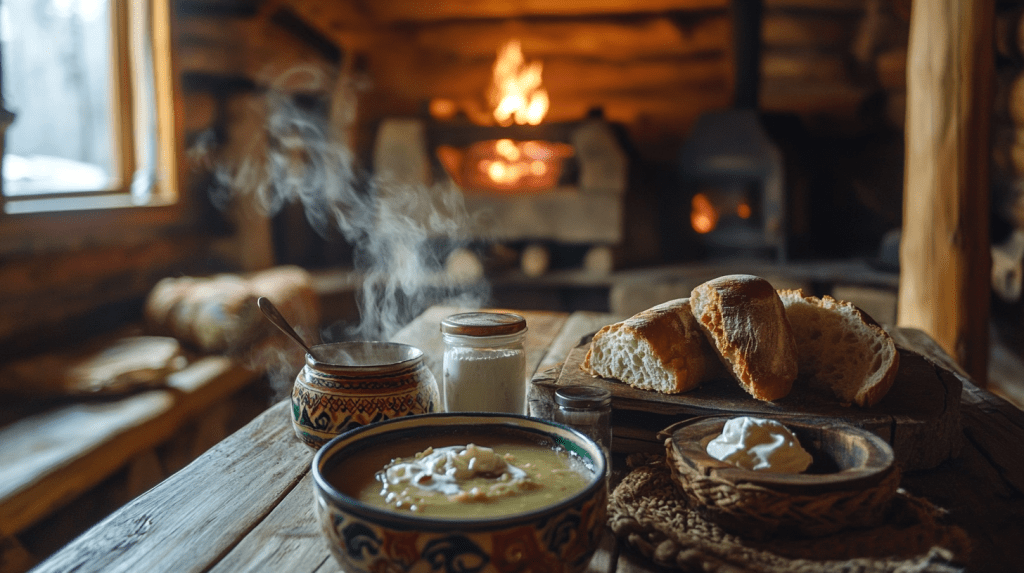
牛肚湯與酸奶油
Emma:(品嚐一口)這真是太美味了!這些食材都是當地的嗎?
旅館女主人:當然,這裡的每樣食材都是我們自己種的、醃製的、烘焙的,沒有任何超市的加工食品。
壁爐邊的傳說——喀爾巴阡山的神秘故事
(晚飯後,她們圍坐在壁爐旁,一名年長的村民點燃菸斗,開始講述喀爾巴阡山的古老傳說。)
Emma:(低聲)這片山脈裡好像有很多隱藏的故事,難怪它總是被人稱為「東歐最後的荒野」。
村民:(輕輕吸了口菸)還有一個傳說,你們一定會喜歡。這裡曾有一座修道院,隱藏在群山深處,只有最虔誠的修士才能找到它。但有一天,修道院突然消失了,沒有人知道它去了哪裡。
Julia:(皺眉)消失了?整座修道院?
村民:是的。當地人說,那裡的修士守護著某種古老的秘密,可能與早期的拜占庭聖物有關。但一天夜裡,一場猛烈的暴風雨襲來,當暴雨結束後,修道院連同所有修士都不見了。
Emma:(困惑)這怎麼可能?沒有人找到遺跡或線索?
村民:(壓低聲音)有些登山客聲稱,他們曾在霧氣瀰漫的山谷裡,看見隱約的鐘樓與石牆,但當他們走近時,一切都消失了……有些人說,那裡的修士仍然在某個平行時空裡持續誦經,而只有心靈純潔的人才能找到他們。
Julia 和 Emma 不約而同地看向窗外,黑暗的山谷沉默無聲,唯有風聲低語,如同修士的吟誦,飄散在夜色之中。
Nighttime Conversations – Modern History, the EU, and Youth Challenges
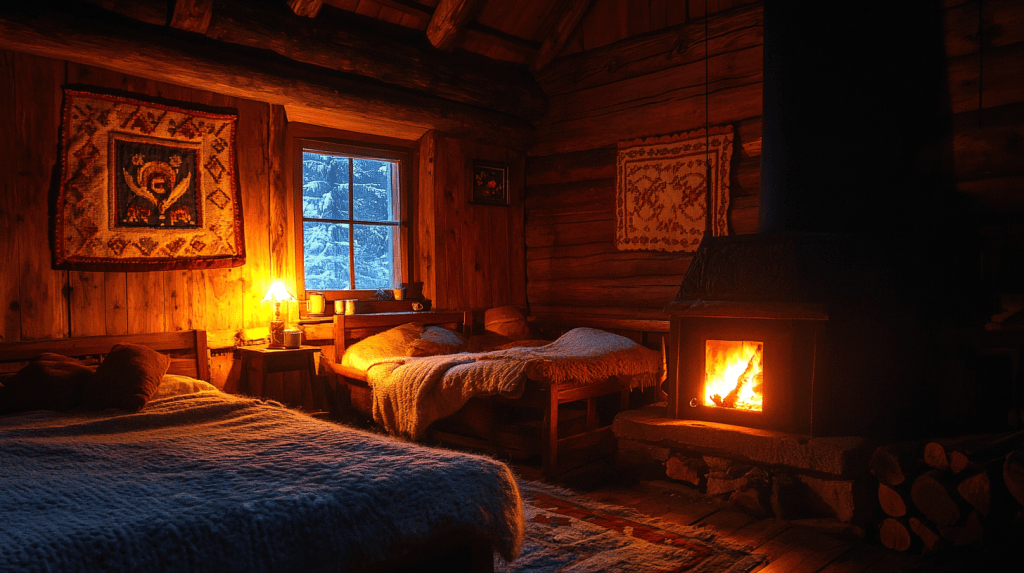
(Emma and Julia settle into their cozy mountain lodge room after dinner. The wooden walls glow warmly under the soft light of an oil lamp, and the window overlooks the darkened silhouette of the Carpathian Mountains. Outside, the village is quiet, save for the occasional rustling of wind through the trees. They sip on hot herbal tea as their conversation shifts from folklore to present-day Romania.)
The Legacy of Communism in Romania
Emma: (Looking out the window) It’s hard to imagine that just over thirty years ago, this country was under one of the most oppressive communist regimes in Europe.
Julia: (Nods) Romania’s communist era was particularly harsh. Nicolae Ceaușescu ruled with an iron fist, isolating the country from both the West and even the Soviet Union at times. The state controlled everything—what people could say, what they could buy, even how much food they could eat.
Emma: I’ve read about the food shortages. People had to queue for hours just to buy basic necessities, right?
Julia: Yes, and the situation worsened in the 1980s when Ceaușescu started repaying all of Romania’s foreign debt by exporting almost everything the country produced. Factories kept running, but ordinary people were left with rationed food, no heating in the winter, and constant surveillance by the Securitate—the secret police.

Emma: (Shaking her head) No wonder the revolution was so intense. I remember reading that the protests started in Timișoara and quickly spread across the country.
Julia: That’s right. By December 1989, the whole country erupted. Ceaușescu tried to flee, but within days, he and his wife were captured and executed. The footage of their trial and execution was broadcast worldwide—it was a shocking end to decades of dictatorship.
Emma: But even after communism fell, transitioning to democracy and a market economy must have been incredibly difficult.
Julia: It was. The 1990s were chaotic—factories shut down, unemployment skyrocketed, and corruption ran rampant. For many Romanians, the fall of communism didn’t immediately bring prosperity, just uncertainty.
Romania in the European Union – Progress and Challenges
Emma: And yet, now Romania is part of the European Union. That’s a big transformation in just a few decades.
Julia: Definitely. Romania joined the EU in 2007, and that opened up new opportunities—trade, infrastructure development, and travel. But it also exposed deep inequalities.
Emma: What do you mean?
Julia: Well, while cities like Bucharest, Cluj, and Timișoara have modernized rapidly, many rural areas—like the one we’re in now—still struggle with poverty and lack of infrastructure. The EU funds have helped build highways, schools, and hospitals, but corruption sometimes slows progress.
Emma: That seems to be a common issue in post-communist countries—how to root out corruption while developing the economy.
Julia: Exactly. And Romania still has one of the highest emigration rates in the EU. Millions of Romanians have moved to Western Europe, seeking better wages and job security. That creates a brain drain—young, educated people leave, and rural areas are left with an aging population.
Emma: So Romania faces the same demographic challenges as much of Europe—low birth rates, youth migration, and a shrinking workforce.
Julia: Yes, but it’s even more pronounced here. The birth rate is among the lowest in the EU, and in some villages, you’ll see more abandoned houses than occupied ones.
Emma: (Sighs) It’s ironic, isn’t it? In the past, people were trapped inside their country. Now, they have the freedom to leave—but that freedom is draining the country of its future.
Julia: (Thoughtful) It’s a paradox. The EU offers opportunities, but those opportunities often take people away rather than bring them back.
The Future of Romania’s Youth – Stay or Leave?
Emma: So, what do young people here think? Do they see a future in Romania, or do they want to leave?
Julia: It depends. Many young professionals—especially in IT, medicine, and engineering—are leaving because salaries are much higher in Germany, France, or the UK. But some are staying and trying to rebuild the country. There’s a growing entrepreneurial scene, especially in Cluj-Napoca, which has become a tech hub.
Emma: That’s promising. Maybe Romania’s future depends on people finding reasons to stay.
Julia: Yes, but they need good governance, investment in education, and policies that make it easier to start businesses. If things don’t improve, we could see an even greater population decline.
Emma: That’s the challenge facing much of Eastern Europe. How do you modernize and create prosperity without losing your cultural and human capital?
Julia: (Smiles) Maybe that’s a question for another cup of tea—or something stronger.
Emma: (Laughs) Well, we do have some rakija left.
(Julia pours them each a small glass of plum rakija. They clink glasses, reflecting on how much Romania has changed—and how much remains uncertain.)
Emma: (Raising her glass) To Romania’s future—whatever it may bring.
Julia: (Nods) And to those who choose to stay and build it.
(They sip their drinks as the fire crackles in the background, and outside, the wind whispers through the dark forests of the Carpathians.)
夜晚的對話——近代歷史、歐盟與年輕人的未來
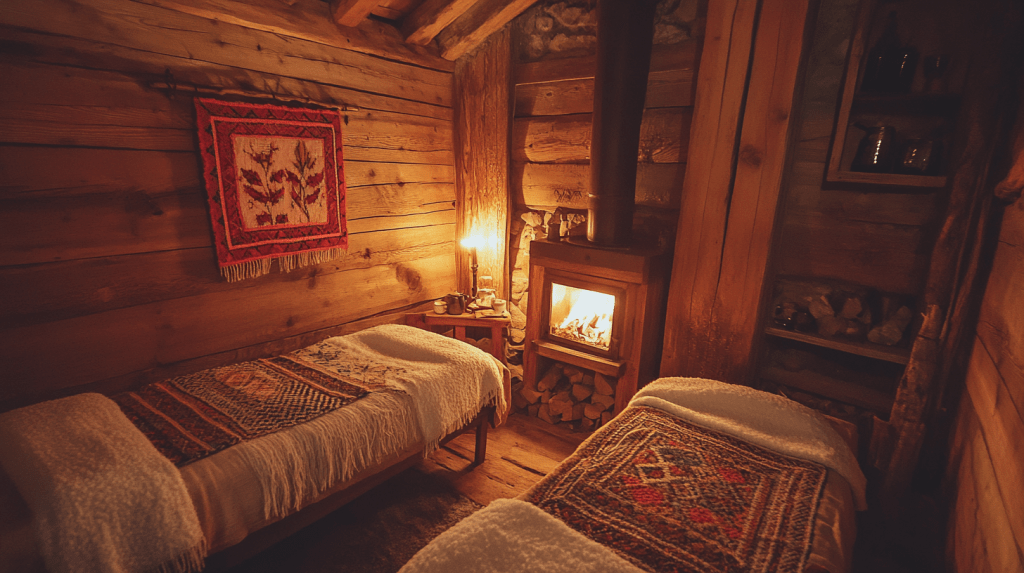
(晚餐後,Emma 和 Julia 回到溫暖的旅館房間。木質牆壁在昏黃的燭光下散發著溫暖的色調,窗外則是一片靜謐的山林。遠方偶爾傳來風聲,村莊沉浸在夜晚的寧靜之中。兩人各自端著一杯熱騰騰的草本茶,聊起了羅馬尼亞的過去與現在。)
從共產時代到現代
Emma:(望著窗外)很難想像,三十多年前,這個國家還在經歷共產主義統治,與現在的氛圍完全不同。
Julia:(點頭)是的,羅馬尼亞的共產時期特別嚴酷,尼古拉·齊奧塞斯庫(Nicolae Ceaușescu)幾乎讓國家與西方世界完全隔絕,甚至連蘇聯都對他的政策感到困惑。他的統治下,政府控制了一切——人們的言論、食物配給,甚至家庭生活。
Emma:我聽說過 1980 年代的糧食短缺問題,人們必須排隊幾個小時才能買到基本的食物?
Julia:沒錯,而且情況越來越糟。齊奧塞斯庫決定優先償還外債,於是大規模出口糧食、燃料和工業產品,結果國內人民幾乎什麼都買不到。冬天沒有暖氣,超市貨架幾乎空無一物,電視新聞卻每天播報著「國家繁榮昌盛」。
Emma:(搖頭)這聽起來太荒謬了,完全是 Orwell《1984》的現實版。
Julia:(苦笑)差不多是這樣,所以 1989 年的革命爆發時,人們的怒火已經壓抑了太久。從蒂米什瓦拉(Timișoara)開始,抗議迅速蔓延到全國。最終,齊奧塞斯庫和他的妻子試圖逃跑,卻被逮捕並迅速處決。
Emma:我記得那場審判被直播了,讓全世界都震驚。
Julia:沒錯,這是一個時代的結束,但民主化的過程並不容易。1990 年代的羅馬尼亞陷入了經濟混亂,國有企業倒閉,失業率飆升,貪腐問題嚴重,許多人發現,雖然共產主義結束了,但新的挑戰才剛剛開始。
羅馬尼亞與歐盟——進步與挑戰
Emma:但現在,羅馬尼亞已經是歐盟的一部分,發展比起 30 年前大不相同了吧?
Julia:(點頭)確實,2007 年加入歐盟後,羅馬尼亞獲得了大量的基礎建設資金,經濟逐步成長,貿易與旅遊業發展迅速。但問題是,這種發展並不平均。
Emma:怎麼說?
Julia:像布加勒斯特、克盧日(Cluj-Napoca)和蒂米什瓦拉這樣的大城市,發展得很好,科技業、金融業、文化產業都在蓬勃發展。但偏遠的鄉村地區,例如我們現在所在的這些山村,仍然面臨基礎設施落後、醫療和教育資源不足的問題。

Emma:歐盟的資金沒有幫助這些地區嗎?
Julia:(嘆氣)有幫助,但貪污問題仍然存在,有些歐盟的資金被挪用或低效運用。此外,人口外流是一個嚴重問題。
Emma:外流?是年輕人離開嗎?
Julia:沒錯。自 2007 年以來,數百萬羅馬尼亞人選擇移居德國、法國、義大利或英國,尋找更好的薪資和生活條件。醫生、工程師、建築工人,甚至教師,都寧願在國外工作,因為薪資可能是羅馬尼亞的三到四倍。
Emma:(沉思)這確實是個矛盾。以前人們被困在共產主義體制下,現在雖然可以自由離開,但這種自由卻讓國家失去了最有活力的人才。
Julia:(點頭)這是一個惡性循環。年輕人離開,留下的多是老年人口,導致經濟更難發展,進而推動更多人離開。
少子化與年輕人的未來
Emma:這樣的話,羅馬尼亞的出生率應該也很低吧?
Julia:沒錯,羅馬尼亞現在的生育率大約是 1.6,低於歐盟的平均水平。在許多小鎮和村莊,你會看到越來越多的廢棄房屋,因為沒有人留下來建立家庭。
Emma:但政府應該意識到這個問題吧?
Julia:(苦笑)當然意識到了,但解決方案並不簡單。政府有提供一些生育補助,但對於年輕人來說,關鍵問題不是錢,而是穩定的未來。如果你沒有好的工作、醫療和住房支持,誰會願意生孩子?
Emma:(點頭)這在很多東歐國家都是個問題。即使在更富裕的歐洲國家,例如德國和義大利,年輕人也因為經濟壓力而選擇少生或不生。
Julia:沒錯,所以未來的挑戰是如何讓年輕人願意留下來,願意在這裡建立生活,而不是去尋找其他地方的機會。
Emma:(舉起茶杯)這確實是一個需要深思的問題……
Julia:(微笑)也許這問題得留給下一代去解決了。
(兩人相視一笑,舉杯輕輕碰撞,火爐裡的火光閃爍,屋外的風聲低語,帶著喀爾巴阡山的夜晚氣息。)
Breakfast in the Mountains – Local Cuisine and Family Life
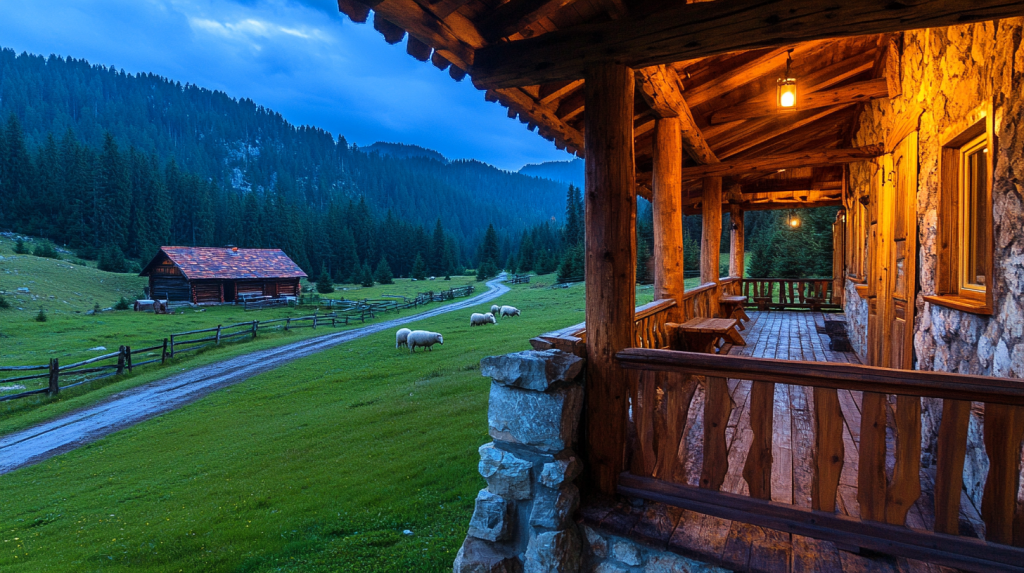
(Morning sunlight filters through the wooden-framed windows of the mountain lodge’s dining area. The air is crisp, carrying the scent of freshly baked bread. Emma and Julia sit at a long wooden table, which is filled with a traditional Romanian breakfast. Steam rises from their coffee cups as they take in the serene mountain view.)
Breakfast and Local Food Culture
Emma: (Picks up a small dish of yellow, porridge-like food) What’s this? It looks like polenta.
Julia: (Smiles) It’s called mămăligă—a staple of Romanian cuisine. It’s made from boiled cornmeal and is similar to polenta, but with different serving styles. Try it with this brânză de burduf (sheep’s milk cheese).
Emma: (Takes a bite, mixing the cheese in) Oh, that’s rich! It’s salty but creamy—it pairs really well with the texture of the cornmeal.
Julia: Yes, here, mămăligă is often eaten with cheese, sour cream, or even stews. The cheese, brânză de burduf, is aged in pine bark, which gives it a strong and slightly tangy flavor.
Emma: (Picks up a piece of freshly baked bread) This bread smells amazing. Is it locally made?
Julia: Yes, this is pâine de casă, a traditional homemade bread baked in a wood-fired oven. The crust is crispy, and the inside is soft and slightly smoky. People here eat it with unt de casă (homemade butter) or dulceață (fruit preserves).
Emma: (Spreads some blueberry jam on her bread) This jam tastes different from store-bought ones—less sweet, more natural.
Julia: That’s because it’s made from wild berries, with little added sugar. It keeps the natural tartness of the fruit.
(The lodge owner arrives with two cups of steaming black coffee, placing them in front of Emma and Julia.)
Lodge Owner: (Smiling) This is our cafea la ibric (Turkish-style coffee). I hope you like it.
Emma: (Takes in the aroma) This coffee smells really strong!
Julia: (Lifts her cup) Romanian coffee culture was heavily influenced by the Ottoman Empire. This style of brewing, using a cezve or ibric, came from Turkey. It’s even stronger than espresso.
What Do Young People Do If They Stay Here?
(At a nearby table, a young man is checking his phone while having breakfast. The lodge owner exchanges a few words with him before returning to Emma and Julia’s table.)
Emma: (Curious) Is he also staying here?
Lodge Owner: (Nods) He’s a local. He recently started an eco-tourism business—he takes visitors on hiking trips, horseback riding, and teaches them about local wildlife.
Julia: So not all young people leave for the cities?
Lodge Owner: No, though many do go to Bucharest or even abroad, some choose to stay. They know the cities offer more opportunities, but they also want to preserve their culture and way of life. Some open lodges, some work as guides, and others run organic farms or handicraft businesses.
Emma: (Nods) That makes sense. If they can combine modern business with tradition, it might help keep these places alive.
Lodge Owner: (Sighs) That’s what we hope. If we develop sustainable tourism, more young people might choose to stay rather than leave.
Family Structure – Do They Still Live in Multigenerational Homes?
Emma: What about families? Do people here still live in multigenerational homes?
Lodge Owner: Traditionally, yes. Grandparents, parents, and children all live under one roof. The younger ones work outside, while the elders take care of the house and land.
Julia: But with young people moving away, is this tradition changing?
Lodge Owner: Yes. Many elderly people now live alone, or they rely on neighbors for support. But some families still try to maintain the old ways, especially in smaller villages.
Emma: This seems to be a common issue across Eastern Europe. Urbanization pulls the young away, but at the same time, it changes the social fabric of these rural areas.
Lodge Owner: (Nods) But some people do return. They say life here is simpler and less stressful than in the city.
Julia: (Smiles) I can see why. The air is fresh, the scenery is beautiful, and the pace of life is slower.
Lodge Owner: (Laughs) And no traffic jams or pollution!
(Emma and Julia laugh, raising their coffee cups, enjoying the peaceful morning.)
Infrastructure in the Mountains – Roads, Internet, and Modernization
How Is the Infrastructure Here?
Emma: (Looking out the window) The roads here seem decent, but I imagine the infrastructure isn’t as developed as in the cities.
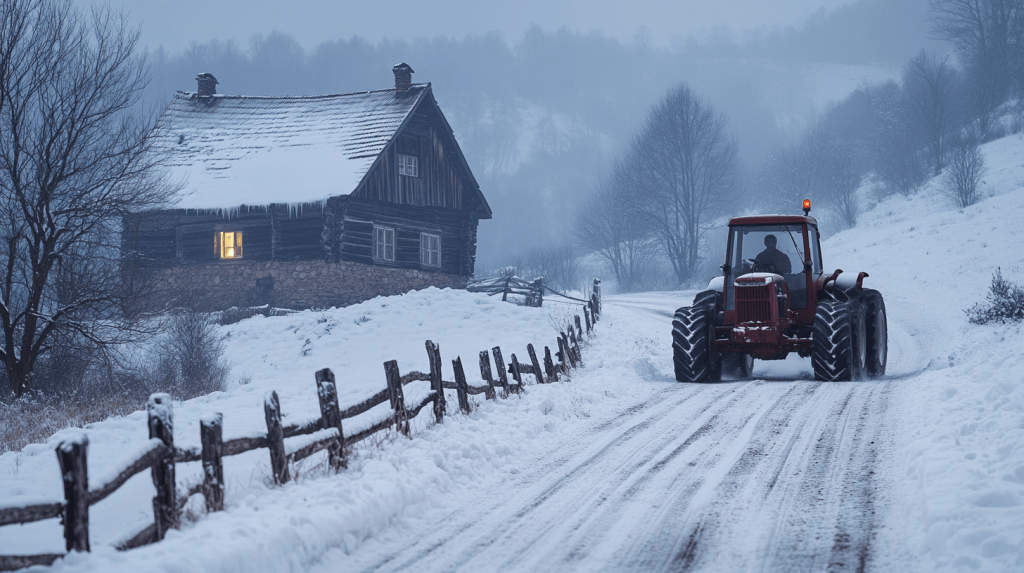
Lodge Owner: (Nods) The main roads are okay because the government has invested EU funds into development. But if you go further into the mountains, many roads are still rough, especially in winter.
Julia: So winter travel must be difficult?
Lodge Owner: Yes, some roads close entirely during heavy snowfall. But locals have adapted—tractors, four-wheel drives, even horse-drawn carts come in handy.
How’s the Internet?
Emma: (Checking her phone) I’m surprised the signal here is strong.
Lodge Owner: Yes, we have 4G coverage in most areas, and some places are even getting 5G towers. Internet access is crucial, especially for young people running businesses.
Julia: So is it good enough for remote work?
Lodge Owner: In this village, yes. Fiber-optic internet isn’t widespread yet, but mobile and satellite internet are good enough for online meetings.
Emma: That’s impressive. It seems like technology is catching up.
Lodge Owner: Some young people are already working remotely—programming, designing, or managing social media while living in the countryside.
Julia: (Laughs) A dream for digital nomads. But better infrastructure might encourage more to stay.
Lodge Owner: (Sighs) That’s what we hope. The government is planning more road construction and public services, but change is slow.
山村的基礎建設——交通、網路與現代化發展
(早餐結束後,Emma 和 Julia 還沒急著收拾行李,而是繼續喝著咖啡,與旅館老闆聊起了這裡的基礎設施與現代生活的變化。)
山村的基礎建設如何?
Emma:(看著窗外的小路)這裡的道路好像不算太差,但應該還是比不上城市裡的基礎建設吧?
旅館老闆:(點頭)確實,這裡的主要公路狀況還算不錯,因為政府過去幾年投入了一些歐盟資金來修建。但如果你往更偏遠的村莊走,就會發現有些路仍然是坑坑窪窪的泥土路,冬天下雪時更難行駛。
Julia:所以冬天這裡的交通會很不方便?
旅館老闆:對,冬天下大雪時,有些路段可能會封閉幾天,特別是高山地區。但當地人都習慣了,我們有自己的方法——拖拉機、四輪驅動車,甚至馬車,在大雪封路的時候派上用場。
Emma:(笑)感覺這裡的生活方式還保留著很多傳統的元素。
旅館老闆:是的,不過我們還是希望能有更好的基礎設施,這樣才不會讓年輕人因為交通不便而選擇離開。
網路與通訊——在山區能連上網嗎?
Emma:(拿起手機)話說回來,這裡的手機信號意外地還不錯。
旅館老闆:(笑)是的,現在很多地方都裝上了 4G 訊號塔,甚至有些地方已經開始鋪設 5G 網絡。我們的年輕人可不能沒有網路,這對於那些回鄉創業的人來說非常重要。
Julia:所以這裡的網速如何?能用來遠距辦公嗎?
旅館老闆:如果是在我們這個村莊,光纖網路還沒有普及,但一般的 4G 或衛星網路已經夠用來開 Zoom 會議或是線上工作。不過,如果你往更深山裡走,就只能靠衛星網路了。
Emma:這樣看來,這裡的科技發展比我想像的要先進。
旅館老闆:是啊,很多回來的年輕人也在做遠距工作(remote work),白天在家寫程式、設計網站,下午還能去森林裡散步。這種生活方式在城市裡可做不到。
Julia:(笑)聽起來是夢幻的數位遊牧生活,不過如果基礎設施再改善一些,應該會有更多人願意留下來吧?
旅館老闆:(嘆氣)這是我們的希望。政府已經意識到這個問題,但真正要讓投資進來,還需要時間。
交通與公共運輸的挑戰
Emma:那這裡的公共交通呢?有巴士或火車嗎?
旅館老闆:嗯……我們有巴士,但班次很少,有時候一天只有一兩班。如果要去最近的大城市,可能要轉幾次車才能到。火車的話,在比較大的鎮上才有,而且速度不快。
Julia:所以如果沒有車的話,生活應該會很不方便吧?
旅館老闆:沒錯,這就是為什麼大部分家庭至少會有一輛車。年輕人如果想去城市裡工作,通常會和朋友們合租一台車,輪流開。
Emma:(點頭)這樣的話,住在山區確實要更有計劃性,畢竟不像城市裡有隨時可搭的地鐵或公車。
旅館老闆:(笑)是啊,但我們這裡的生活節奏比較慢,所以大家也習慣了。
基礎設施的未來——該如何改善?
Emma:那未來呢?有什麼計畫來改善這裡的基礎設施嗎?
旅館老闆:有的,政府計畫興建更多公路來連接村莊,還有一些歐盟的基礎建設資金用於改善電力和供水系統。但這些計畫通常需要好幾年才能完成。
Julia:如果基礎設施改善了,你覺得年輕人會比較願意留下來嗎?
旅館老闆:我相信會有幫助,特別是如果網路更快、交通更方便的話,可能會吸引一些人回來。但最大問題還是工作機會,如果沒有穩定的收入,很多年輕人還是會選擇去城市或國外發展。
Emma:(沉思)這確實是一個兩難的問題,發展基礎設施需要人留下來,但如果沒有發展,年輕人就會離開……
旅館老闆:(嘆氣)是啊,這就是我們這一代人的挑戰。我們希望能讓村莊保持活力,不只是成為退休人士的度假地。
Julia:(微笑)希望未來這裡能找到自己的平衡點,不會變成空城。
Emma:(端起咖啡杯)那就為這片美麗的山區,還有它的未來,乾杯吧!
旅館老闆 & Julia:(笑著舉起杯子)乾杯!
(窗外,陽光灑落在遠方的山坡上,旅館外的小路開始熱鬧起來,幾輛車緩緩駛過,為這個寧靜的山村帶來一天新的開始。)
On the Road Again – Hot Springs, Rural Economy, and Regional Comparisons
(Emma and Julia continue their journey, leaving the mountain lodge and driving towards a nearby village. The road winds through rolling hills, past small farms and clusters of traditional houses. Their first stop is a local market, where villagers sell homemade goods.)
The Village Market – Economy and Daily Life
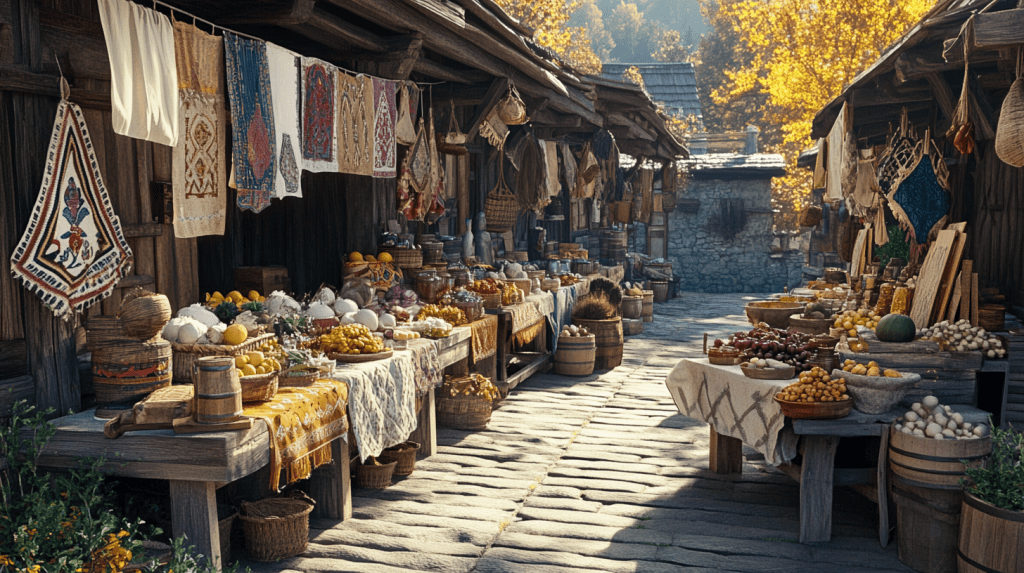
Emma: (Stepping out of the car) This market looks lively. I love these small-town markets—they give you a real sense of daily life.
Julia: (Smiling) It’s the best place to see what people actually eat, wear, and value.
(They walk past stalls selling fresh produce, honey, handmade cheeses, and cured meats. An elderly woman is selling jars of golden honey, while a farmer displays baskets of mushrooms freshly picked from the nearby forest.)

Emma: (Picking up a jar of honey) This looks amazing. I wonder if it tastes different from what I’m used to.
Vendor: (Smiling) Our honey comes from wildflower meadows—no chemicals, no processing. It’s as natural as it gets.
Julia: (Takes a sample) This is so rich! You can really taste the floral notes.
Emma: (Looking at the cheeses) And what kind of cheese is this?
Vendor: This is cașcaval afumat—a smoked cheese made from sheep’s milk. We also have telemea, which is more like feta.
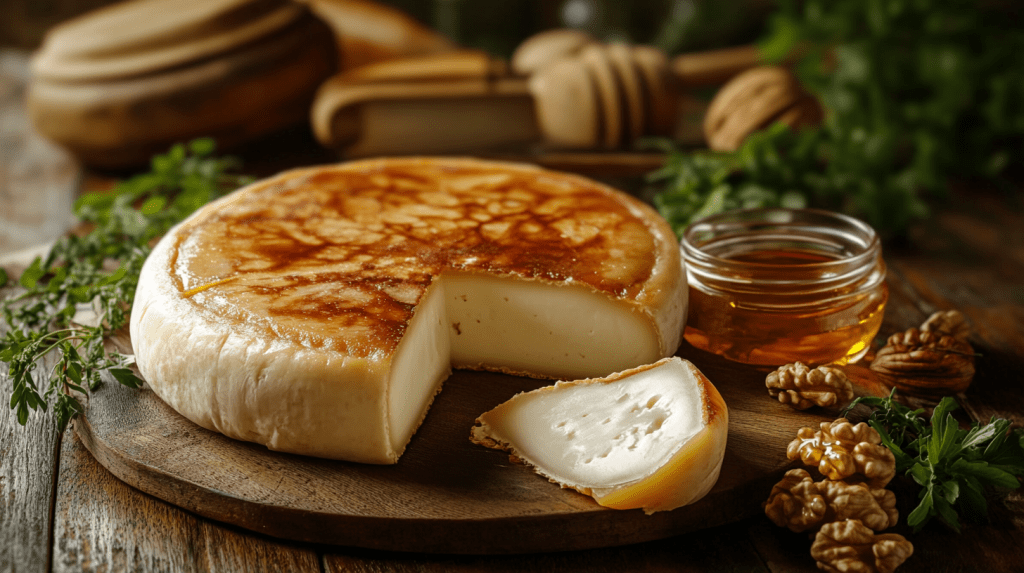
(They buy a small piece of cheese and continue browsing.)
The Hot Springs
(After leaving the market, Emma and Julia drive towards a well-known natural hot spring nestled in the valley. Steam rises from the mineral-rich pools, surrounded by rocky cliffs and pine forests.)

Emma: (Stepping out of the car) This place is beautiful! The contrast between the hot steam and the cool mountain air is amazing.
Julia: (Looking around) It reminds me a little of the hot springs in Serbia, like Vrnjačka Banja or Ovčar Banja, but the setting here feels more remote.
(They dip their hands into the warm water, feeling its mineral-rich texture.)
Emma: I read that people have been coming here for centuries. The Romans used to bathe in places like this, didn’t they?
Julia: Exactly! Both here and in Serbia, hot springs were used by the Romans. Many of these thermal baths were built along the Roman roads. Even today, people believe the water has healing properties.
Emma: What’s the main difference between the hot springs here and in Serbia?
Julia: In Serbia, many hot springs have been developed into modern spa resorts, while in Romania, you still find more natural, undeveloped hot springs like this one. But in both places, locals have a deep connection to them—whether for health benefits or just relaxation.
Emma: (Smiling) I love the idea of sitting in a natural hot spring, surrounded by mountains. It feels much more immersive than a spa.
Julia: And no artificial chlorine smell! Just the scent of pine trees and mineral water.
(They sit by the pool’s edge, dipping their feet into the warm water.)
Comparing Rural Life Across the Region
(As they soak in the atmosphere, the conversation turns to the broader comparisons between Romania, Serbia, and the surrounding regions.)
Emma: It’s interesting how similar the landscapes feel, yet the way people live can be so different.
Julia: Yes, Romania and Serbia share a lot historically, but there are subtle differences in how rural life has evolved.
Emma: Like what?
Julia: Well, in Serbia, rural areas still have a lot of traditional family farms, but there’s been a trend of people moving to Belgrade or Novi Sad for better jobs. However, Romania had a much more rigid collectivization during the Communist era, which changed how land was owned and used.
Emma: So villages here were more affected by collectivization than in Serbia?
Julia: Yes. In the 1950s, all farmland was nationalized under Communism, forcing farmers into state-run collectives. After the regime fell, land was redistributed, but that process was messy. Some villages struggled to rebuild their agricultural traditions, while others adapted well.
Emma: And how does that compare to Bulgaria?
Julia: Bulgaria had a similar collectivization process, but their rural areas depopulated even faster. Many Bulgarian villages today are almost empty because people emigrated in huge numbers after the 1990s.
Emma: And Hungary?
Julia: Hungary was different—they had collectivization, but it was more flexible under Goulash Communism. Private farming was still allowed on a small scale, so they didn’t suffer as much from post-Communist land redistribution issues.

Emma: (Nods) That explains why Hungarian villages still feel more organized, while some Romanian ones feel more… improvised.
Julia: Exactly! And another big factor is infrastructure. Countries like Hungary and Slovenia invested more in rural roads and services, so their villages feel more connected to the urban economy.
Emma: That makes sense. Here, you still feel a real separation between the city and the countryside.
Julia: (Smiling) And that’s part of the charm. It’s like stepping back in time.
(They lean back against the rocks, enjoying the peaceful mountain atmosphere.)

喀爾巴阡山的村莊集市與溫泉
(Emma 和 Julia 繼續旅程,離開山間旅館,沿著蜿蜒的山路駛向附近的村莊。沿途經過起伏的丘陵、零星的農田和傳統木屋。他們的第一站是一個當地市集,這裡聚集了販賣手工製品和農產品的村民。)
村莊集市——當地經濟與日常生活
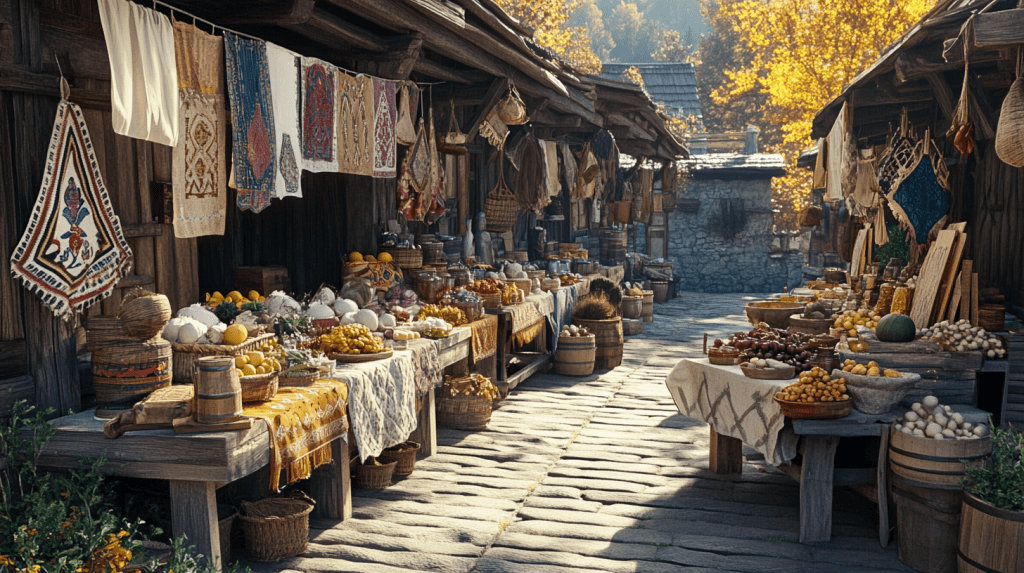

Emma:(下車後環顧四周)這裡比我想像的還要熱鬧!我特別喜歡這種小鎮的市集,能真正感受到當地人的日常生活。
Julia:(微笑)沒錯,這裡就是觀察人們真正吃什麼、用什麼、重視什麼的最佳場所。
(他們穿過市場,看到販賣新鮮農產品、蜂蜜、自製起司和醃製肉品的攤販。一位老婦人正擺放著一排金黃色的蜂蜜罐,而不遠處,一位農夫展示著剛從森林裡採集的野生蘑菇。)
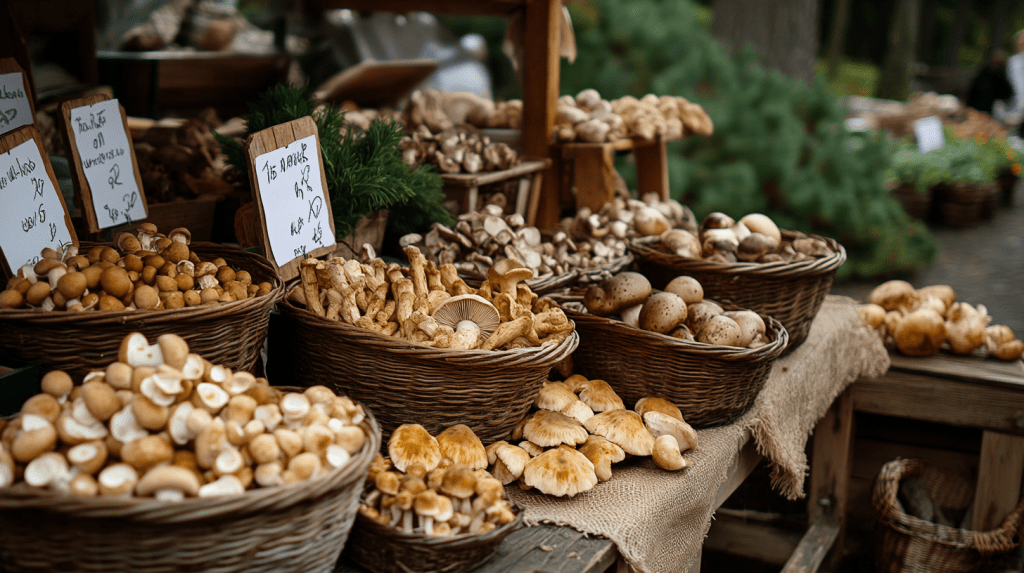
Emma:(拿起一罐蜂蜜)這看起來太棒了,我很好奇它的味道和超市買的有什麼不同。
攤販:(笑)我們的蜂蜜來自野花草原,沒有任何化學添加,也沒有過濾過,是最純粹的天然蜂蜜。
Julia:(舀起一小匙品嚐)這個味道真的好濃郁!比一般的蜂蜜多了股淡淡的花香。
Emma:(看向一塊塊乳酪)這些起司是什麼種類?
攤販:這是 cașcaval afumat(煙燻羊奶起司),這種則是 telemea,味道像希臘的 feta,適合搭配沙拉或麵包。
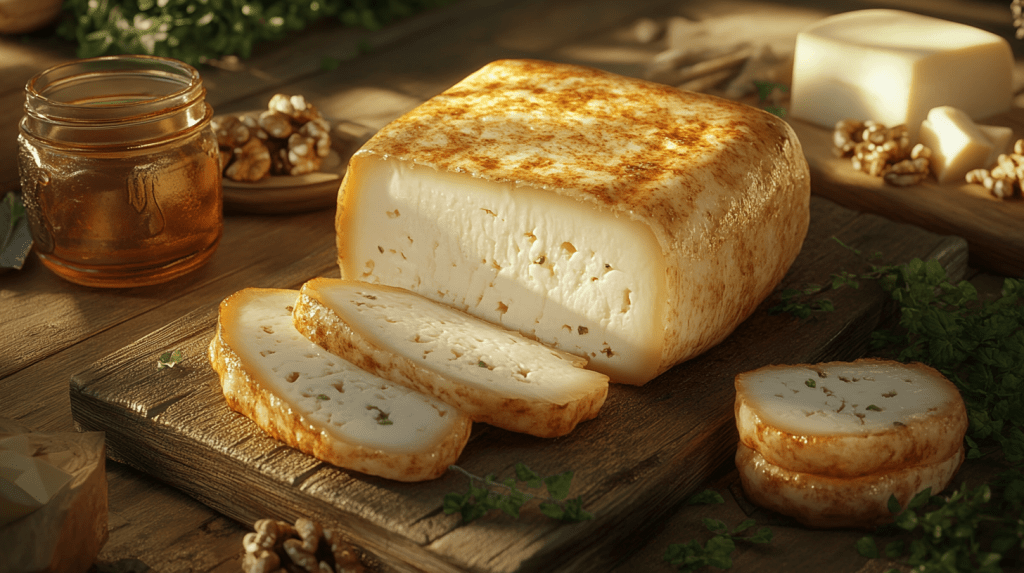
(他們買了一小塊起司,繼續在市場裡四處逛逛,感受當地村民的生活氣息。)
溫泉
(離開市集後,Emma 和 Julia 驅車前往一處著名的天然溫泉,這裡隱藏在山谷中,蒸騰的熱氣在岩壁間升起,周圍是茂密的松林。)

Emma:(下車後深吸一口氣)這裡真美!熱氣和清冷的山風形成強烈的對比,感覺像是大自然的一場奇蹟。
Julia:(觀察四周)這讓我想起塞爾維亞的溫泉,比如 Vrnjačka Banja 或 Ovčar Banja,但這裡感覺更加原始,沒有人為開發的痕跡。
(他們用手輕觸溫泉水,感受礦物質豐富的溫暖泉水。)
Emma:我讀過人們來這裡泡溫泉已經有好幾個世紀了。羅馬人當年就知道這裡的存在,對吧?
Julia:沒錯!其實不只是這裡,塞爾維亞的許多溫泉也都是羅馬人開發的,當時的浴場遺址至今仍然存在。從羅馬時代開始,人們就相信這些溫泉有療癒功效。
Emma:那這裡和塞爾維亞的溫泉相比,最大區別是什麼?
Julia:最大的不同是開發程度。塞爾維亞的溫泉多數已經變成了現代化的溫泉療養中心,酒店、SPA 設施一應俱全。但羅馬尼亞這裡,還保留了許多原始的天然溫泉,像這樣的景點仍然沒有過度商業化。
Emma:(笑)我喜歡這種更自然的方式,坐在礦物池邊泡腳,感受周圍的森林,比待在人工溫泉池裡舒服多了。
Julia:而且沒有漂白水的味道!只有松樹和溫泉水的天然氣息。
(他們坐在池邊,享受這片寧靜的溫暖泉水。)
比較羅馬尼亞與周邊國家的農村生活
(泡完溫泉後,Emma 和 Julia 坐在露天咖啡館裡,邊喝茶邊討論這次的旅程。)
Emma:你不覺得,這裡的風景和塞爾維亞很相似,但生活方式卻有很多不同嗎?
Julia:沒錯,羅馬尼亞和塞爾維亞的農村有很多相似之處,但一些歷史因素讓它們走上了不同的發展道路。
Emma:比如說?
Julia:在塞爾維亞,農村仍然以傳統家庭式農場為主,但由於年輕人紛紛前往貝爾格勒或國外工作,很多村莊的人口正在減少。但 羅馬尼亞 在共產時代經歷了土地集體化,農民的土地被政府收歸國有,統一管理,直到共產主義垮台後才重新分配。
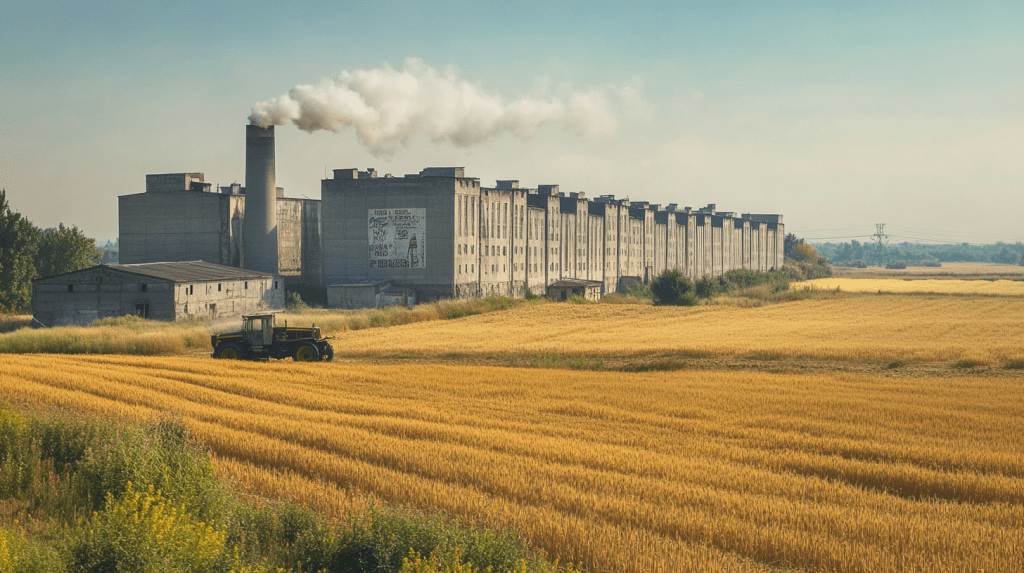
Emma:這樣的話,羅馬尼亞的農村受到的影響比塞爾維亞更大?
Julia:沒錯。在 1950 年代,所有土地都被國有化,農民被迫加入國營農場,這樣的政策影響至今仍然可見。
Emma:那保加利亞呢?
Julia:保加利亞的情況比羅馬尼亞更嚴重,很多村莊幾乎成了「鬼城」,因為 1990 年代後大量人口外流,去歐洲其他國家工作。
Emma:那匈牙利呢?
Julia:匈牙利的集體化政策比較溫和,允許農民保留部分土地,所以農村沒有遭受像羅馬尼亞或保加利亞那樣的劇變。他們的農業仍然比較穩定,村莊也更發達。
Emma:(點頭)這解釋了為什麼匈牙利的農村看起來比羅馬尼亞更有秩序,基礎建設也更好。
Julia:是的,這些差異都是歷史造成的,影響一直持續到今天。
(她們望著遠方起伏的山巒,感受這片土地的故事。)

 Virtual Travel | 虛擬旅行沉浸式英語學習
回覆給The Virtual World Explorer 取消回覆