
Toward the Dunes
Morning came softly to the guesthouse. Outside, the pine forest stirred under a light breeze, the sky already washed in a soft blue.
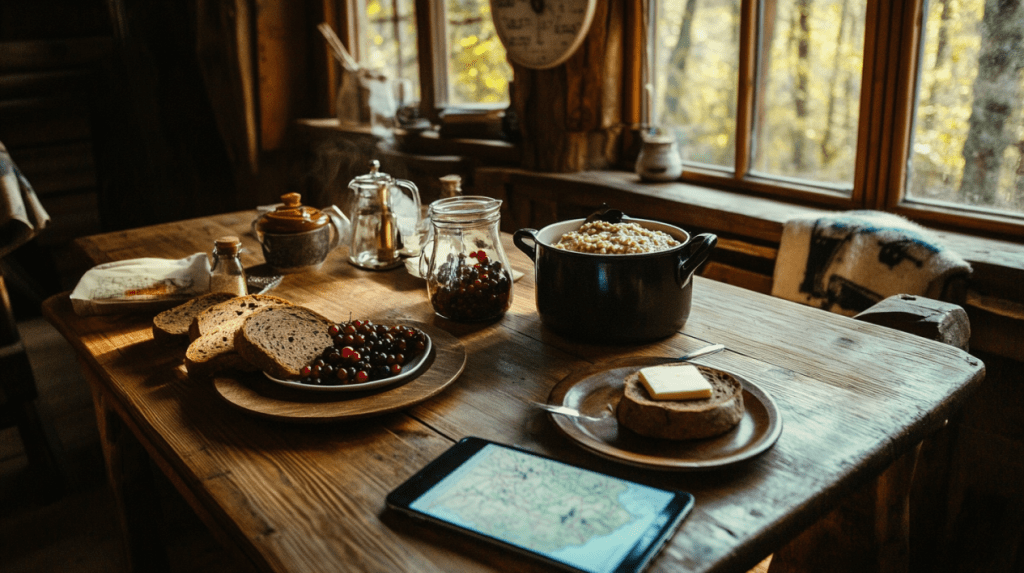
Breakfast was simple and warm — fresh rye bread, butter, and a pot of oatmeal with berries. They gathered at the long table, map apps open on their phones.

“So, change of plans?" Julia asked, stirring her tea.
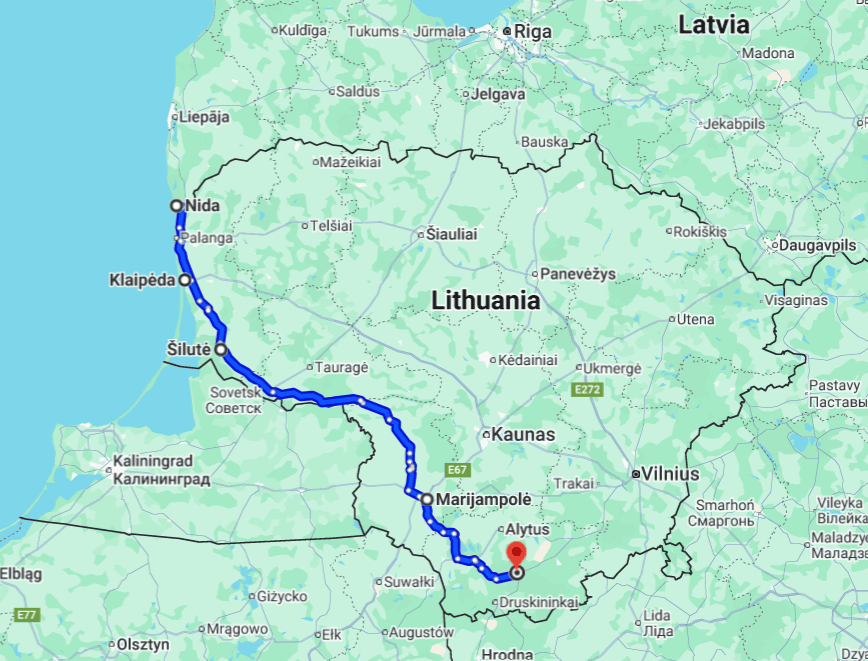
Tomas nodded. “Yes. Instead of going north, we’ll head west today — to Nida and the Curonian Spit."
Emma looked intrigued. “How long will it take?"
“Around four and a half hours," Tomas said. “We’ll drive across the plains, pass near Kaunas, and head toward Klaipėda. Then we take a short ferry ride to the spit."
Ben zoomed in on the map. “Should we stop somewhere halfway?"
“I think Marijampolė would be a good stop," Tomas suggested. “It’s a small city, good for refueling, grabbing a coffee, and stretching a bit before we push on."
Outside, the sun was already climbing. They finished breakfast quickly, packed up, and set out.
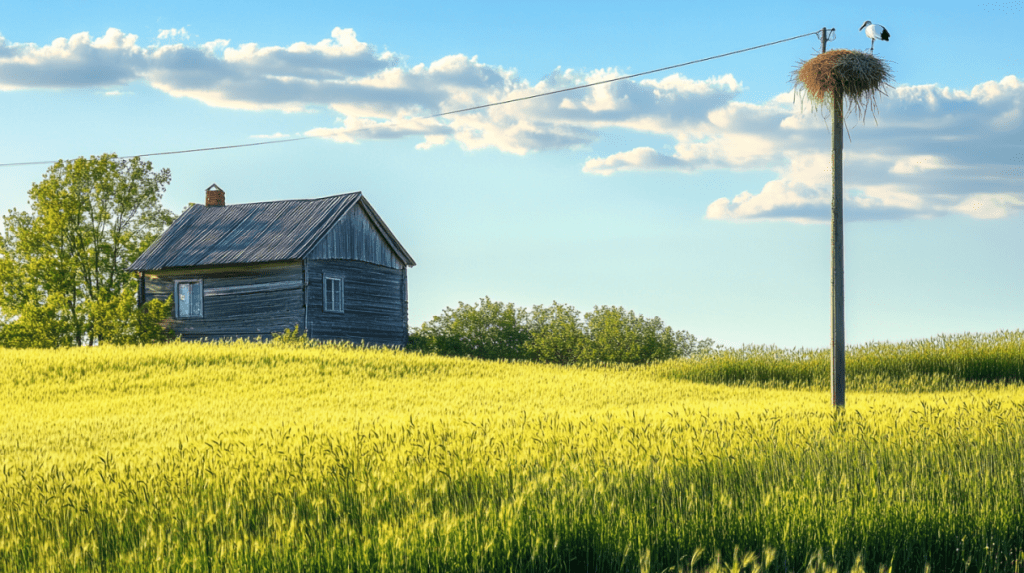
The road carried them through rolling fields and small towns. The dense forests gave way to farmlands — patches of rye, barley, and golden rapeseed. Here and there, white stork nests perched atop old wooden poles.

Traffic thickened slightly as they neared Marijampolė. The town itself was modest, with wide, tree-lined streets and low buildings.

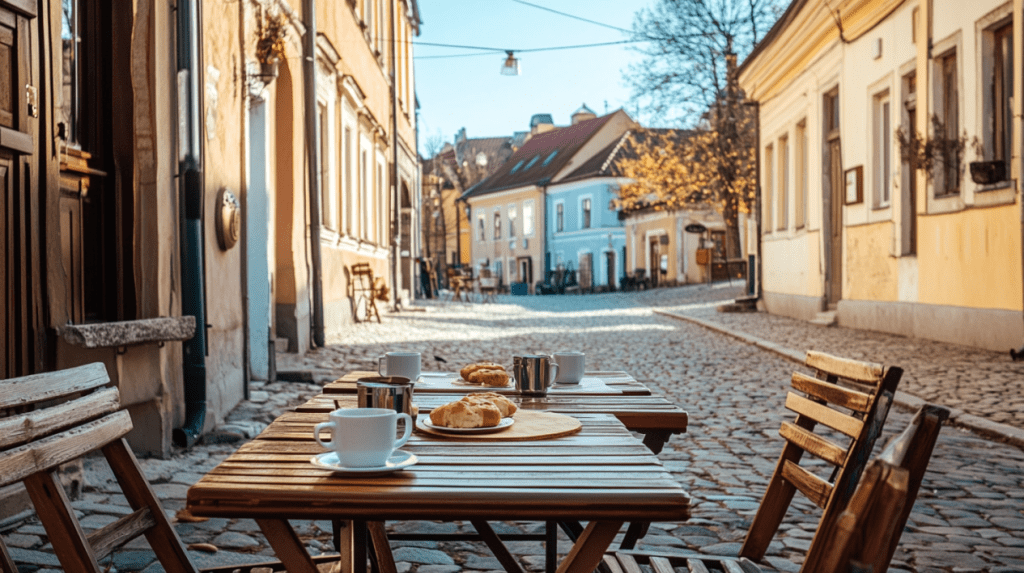
They parked near a small square, found a café with outdoor tables, and ordered coffee and pastries. Around them, life moved at an easy, local pace: old men chatting by the fountain, a florist setting out fresh bouquets, children riding scooters along the pavement.
Ben leaned back in his chair, watching a stork fly low across the rooftops. “Hard to believe the sea’s not far from here."
Tomas smiled. “A few more hours. The landscape will shift again — from farmland to dunes and the open sky."
They finished their coffee, ready to continue westward — toward the place where the land thinned into sand and the sea.
向沙丘而行
清晨輕輕降臨在民宿。外頭,松林在微風中微微搖曳,天空已經染上了一層柔藍。
早餐簡單而溫暖——新鮮的黑麥麵包、奶油,以及一鍋撒滿莓果的燕麥粥。他們圍坐在長木桌旁,各自打開手機地圖。
「要改路線了嗎?」茱莉亞一邊攪著茶一邊問。
托馬斯點了點頭:「是的。今天不往北,改成往西——前往尼達(Nida)和庫洛尼亞沙嘴(Curonian Spit)。」
艾瑪眼睛一亮:「要開多久?」
「大概四個半小時左右,」托馬斯說。「會穿越中部平原,經過靠近考納斯(Kaunas)的地區,然後往克萊佩達(Klaipėda)方向開,最後搭一小段渡輪過去沙嘴。」
Ben把地圖拉近看了看:「中間要不要停一下?」
「可以在瑪麗安波萊(Marijampolė)停一站,」托馬斯提議。「那裡有加油站,也有咖啡館,可以順便休息一下。」
外頭,陽光已經慢慢爬上天空。他們加快吃完早餐的速度,整理好行李,啟程上路。

道路帶著他們穿過起伏的田野與一個個小鎮。森林的濃密感逐漸退去,取而代之的是一片片種植著黑麥、大麥和金黃油菜花的農田。偶爾還能看到高高的電線桿上築著白鸛的巢。

接近瑪麗安波萊時,車流稍微變得多了一些。這座小城安靜而平實,街道寬敞,兩側種滿樹木,建築物大多不高,色彩柔和。
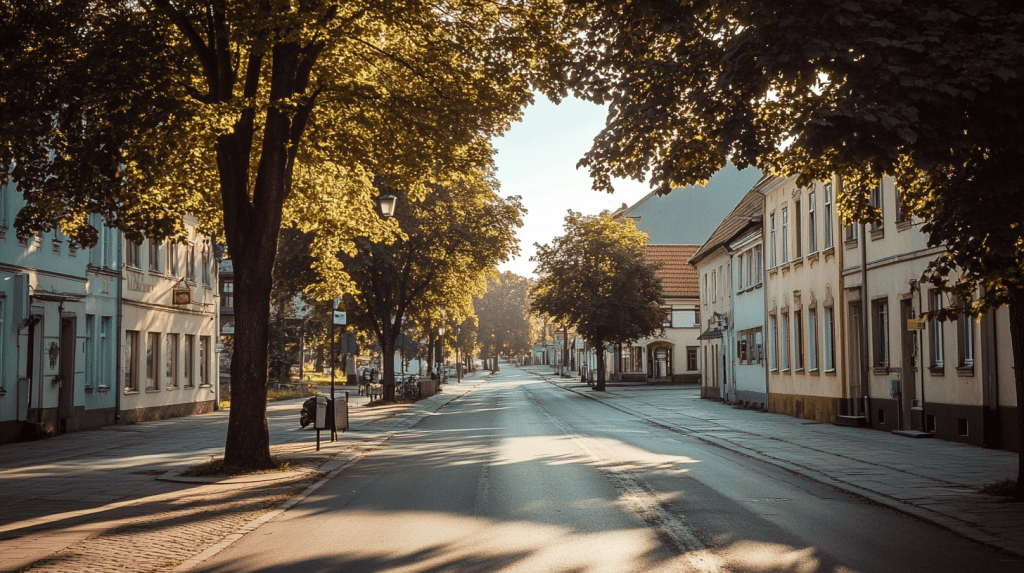
他們把車停在小廣場邊,在一家有戶外座位的咖啡館找了張桌子,點了咖啡和甜點。四周的節奏緩慢而自在:老人們在噴水池旁聊天,花店老闆正把新鮮的花束擺上木架,小孩們在廣場上騎滑板車嬉戲。
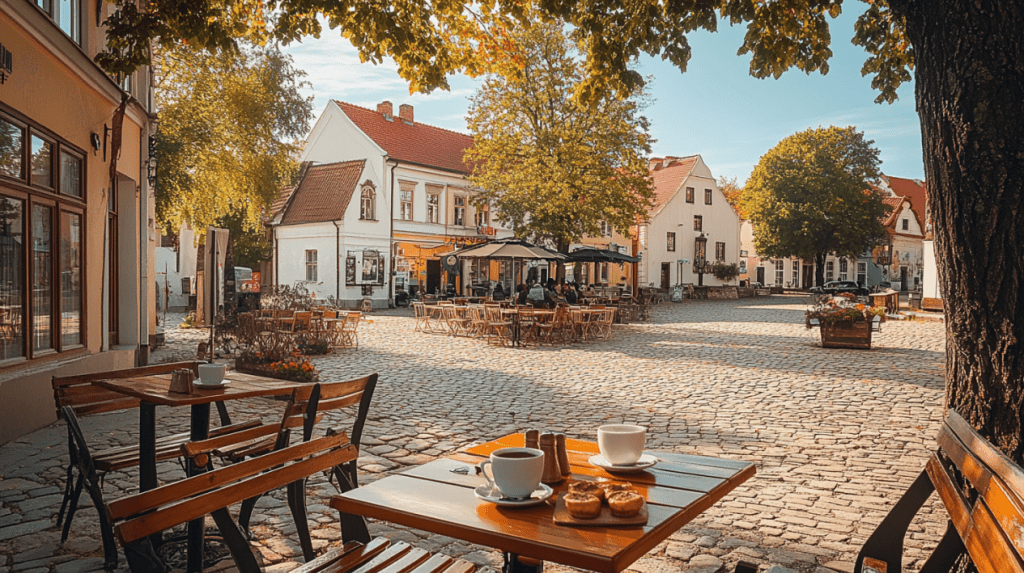
Ben靠在椅背上,看著一隻白鸛低飛過屋頂,笑著說:「很難想像,離海已經不遠了。」
托馬斯微笑著點頭:「再過幾個小時,地形又會變了——從農田轉成沙丘和無邊無際的天空。」
他們喝完咖啡,整裝再出發。
前方的路延伸向西,那是通往沙與海的方向。
Toward the Port
They left Marijampolė behind, the car easing onto the highway again.
The fields stretched out wide, yellow and green under the pale sky.
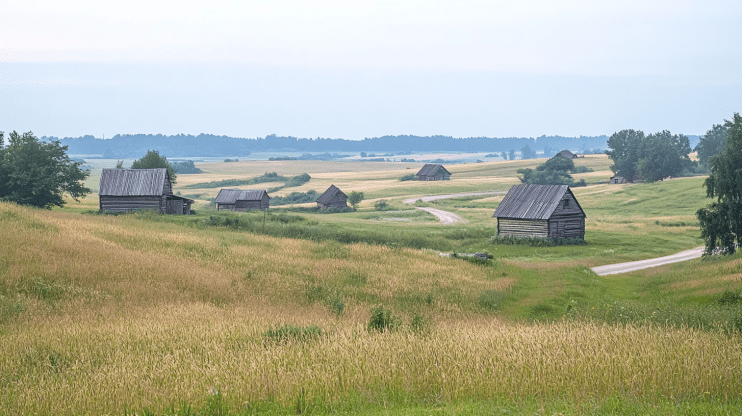
Julia leaned her head against the window and said, “This reminds me of home. Canada. Some parts, anyway."
Emma glanced over. “Because of the fields?"
“Yeah," Julia nodded. “Flat, open… big sky. Same latitude too, roughly. Around fifty-five degrees north."
Tomas said, “But it feels different somehow, doesn’t it?"
Julia thought for a moment. “It does. Canada feels… newer. Like people are still figuring out what to do with all that space. Here, it’s more — settled. Even the empty fields feel like they’ve had people working them for centuries."
Ben asked, “You mean, like, the land shows more history?"
“Exactly," Julia said. “In Canada, a lot of towns grew because of railroads or highways. Kind of thrown together around whatever was needed. Here… you can tell places grew slower, more… tied to the land."
Emma smiled a little. “Makes sense. In Canada, it’s more about pushing into the land. Here, it feels like people fit themselves into it."
No one said much for a while after that. The fields kept rolling by, soft and endless, and somewhere ahead, the air was starting to smell faintly of salt.
往港口的路上
離開瑪麗安波萊後,他們又上了公路。
田野在蒼白的天空下鋪展開來,一片片黃綠交錯。
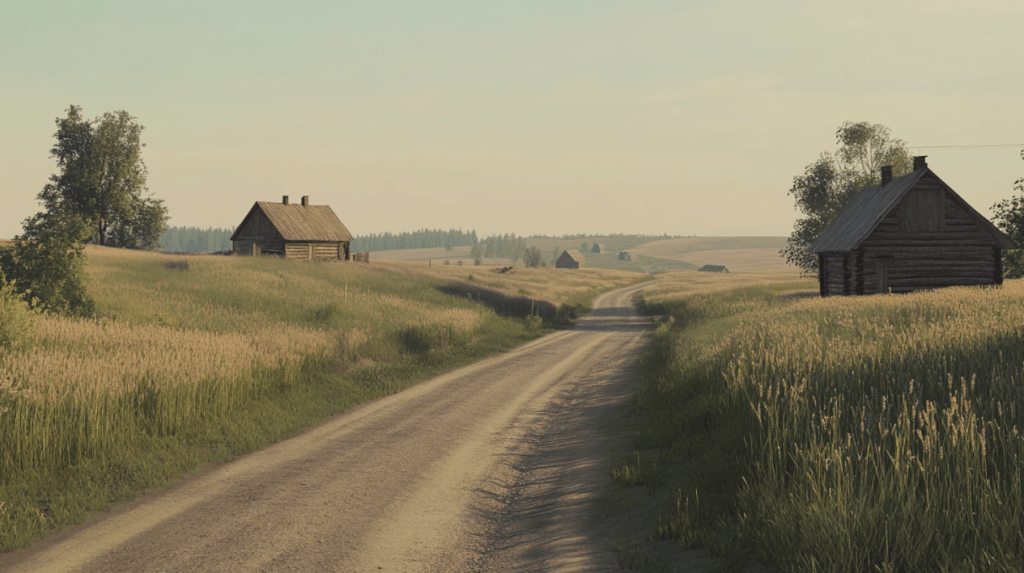
茱莉亞靠著窗,隨口說:「有點像加拿大,某些地方啦。」
艾瑪轉頭問:「因為都是田野?」
「嗯,」茱莉亞點點頭。「平坦、空曠、天很大。緯度也差不多,五十五度北左右。」
托馬斯接著說:「可感覺還是不太一樣吧?」
茱莉亞想了一下,說:「對,加拿大給人的感覺比較新。像是人剛搬進去,還在適應那麼大的空間。這裡……就算是空地,也好像是被耕種過很多代了。」
Ben插話說:「你是說,土地上有歷史感?」
「差不多,」茱莉亞說。「在加拿大,很多小鎮是因為鐵路、公路經過才有的。哪裡需要,就在哪裡搭個小鎮。這裡的村莊感覺是慢慢長出來的,跟土地綁在一起。」
艾瑪輕笑了一下:「嗯,加拿大是去開墾土地;這裡像是住進了土地裡。」
之後,車內靜了一會兒。
窗外的田野還在慢慢推進,平緩又無聲。
前方,空氣中已經有隱約的鹹味了。
A Midday Stop for Lunch
The road carried them steadily westward.
The fields thinned out here and there, giving way to patches of low wetlands and clusters of distant trees. The air felt fresher, touched by moisture that hinted at nearby water.
By noon, they decided to stop near Šilutė, a small town close to the Curonian Lagoon.
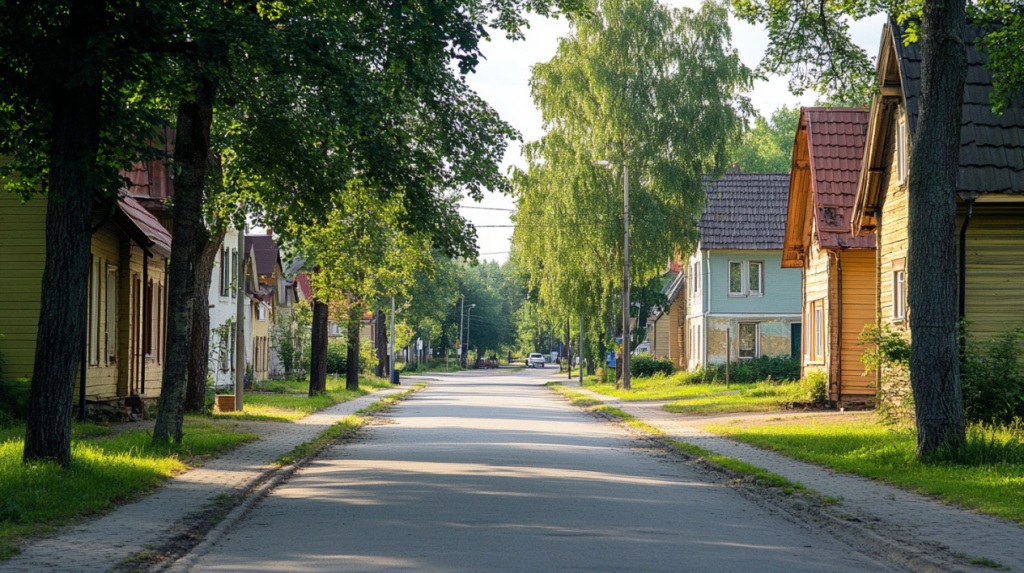
Tomas suggested a quiet family-run restaurant he had found online — nothing fancy, but good local food.
The restaurant was simple, with wooden tables and windows that looked out toward flat green fields stretching into the horizon.
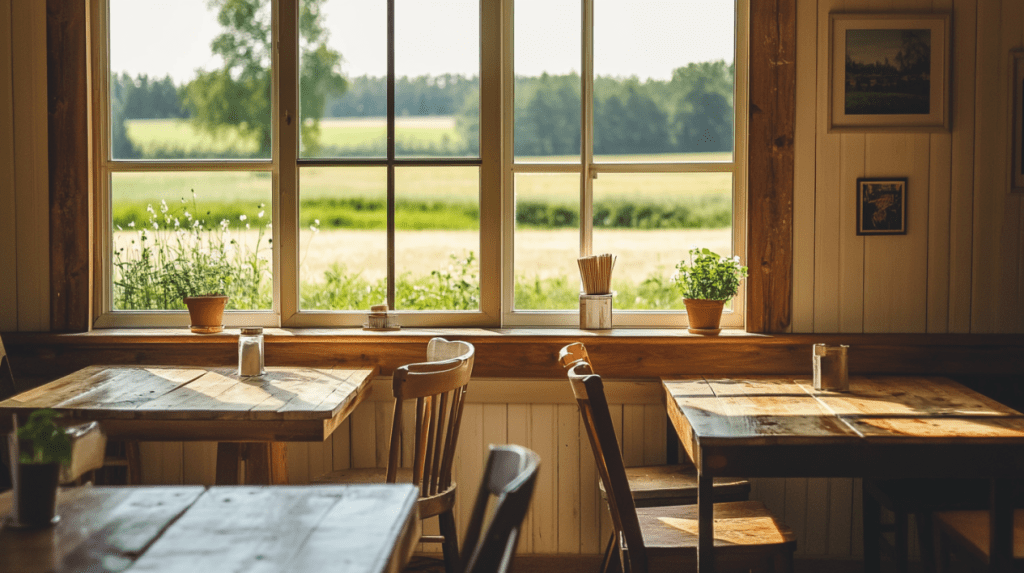
They ordered a few plates to share — potato pancakes, beetroot salad, and a large pot of herb tea.
But after the morning’s drive, it was clear they needed more.
Tomas waved the waitress back and added a few bowls of hot meat stew — thick with beef, carrots, and potatoes — and a basket of fresh rye bread.
The table quickly filled with the smells of herbs, slow-cooked meat, and warm bread.

They passed the bowls around, tearing off pieces of bread, letting the steam warm their faces.
Outside, the fields lay still under the pale sky.
Inside, the food disappeared quickly, the silence broken only by the occasional clink of spoons and quiet conversation.
Julia wiped her mouth and leaned back. “Now that’s better. I was starting to feel hollow." Ben laughed. “We earned it. Half the day’s already behind us."
Renata smiled. “And the sea is just ahead."
They lingered a few more minutes over their tea, then stood up, feeling the familiar weight of full stomachs and the quiet energy of a journey not yet finished.
午餐前的小鎮停留
車子穩穩地向西行駛。
田野漸漸變得零碎,取而代之的是低矮的濕地和遠遠成群的小樹。空氣中帶著一點淡淡的濕潤感,像是附近有大片水域。
中午時分,他們決定在接近庫洛尼亞潟湖的小鎮——Šilutė附近停下來。
托馬斯查到一間當地人經營的小餐館,不豪華,但有不錯的傳統料理。
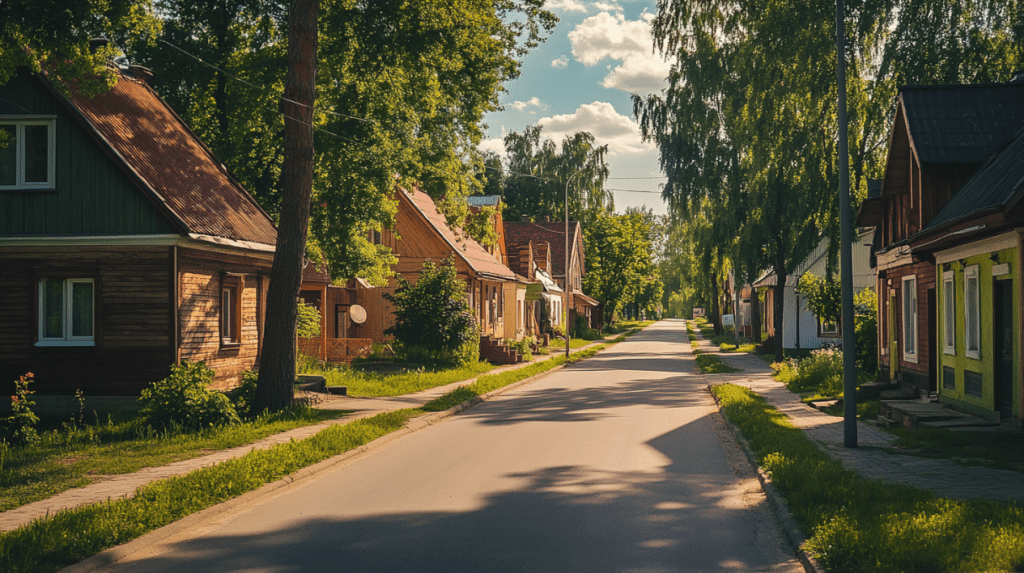
餐館簡單,幾張木桌靠著大窗,窗外是綠油油平坦的田野,一直延伸到看不見的地方。

他們一開始點了幾道小菜——馬鈴薯煎餅、甜菜沙拉和一大壺香草茶。
但開了一上午的車,大家很快發現這些還不夠。
托馬斯招手叫回服務生,又加點了幾碗熱騰騰的燉肉湯——裡頭有牛肉、胡蘿蔔和馬鈴薯——還要了一籃新鮮的黑麥麵包。
桌面很快就被溫熱的香氣填滿——慢燉的肉香、草藥味和剛出爐麵包的香味交融在一起。
他們傳遞著湯碗,一邊撕著麵包吃,一邊讓湯氣暖暖地撲在臉上。

窗外,綠油油的田野靜靜鋪展在蒼白的天空下。
室內,餐具輕響,偶爾夾雜著小聲的交談,氣氛安靜而溫暖。 茱莉亞擦擦嘴角,靠在椅背上笑著說:「這樣才對。我剛剛肚子都快空了。」
Ben也笑了:「很合理啊,今天早上已經跑了半天了。」
雷娜塔輕輕說:「而且,前面就是海了呢。」
他們又慢慢喝了一會兒茶,然後起身,帶著吃飽後微微沉甸甸的感覺,準備繼續上路。
Toward the Port
The fields gave way to scattered patches of reeds.
The air grew sharper, carrying the unmistakable scent of salt.

Emma watched the changing landscape through the window, her voice thoughtful.
“You know, historically… this coastline wasn’t just an edge. Memel — Klaipėda — was part of the Hanseatic League’s network."
Julia glanced over. “You’ve been there before?"
Emma shook her head. “No. I’ve read about it, studied it. But I’ve never actually seen the city."
Ben asked, “So what was Memel’s role?"
Emma shifted slightly in her seat. “It was a trading outpost — but more than that.
The Hanseatic League wasn’t just merchants selling goods.
It was a system — rules, contracts, alliances.
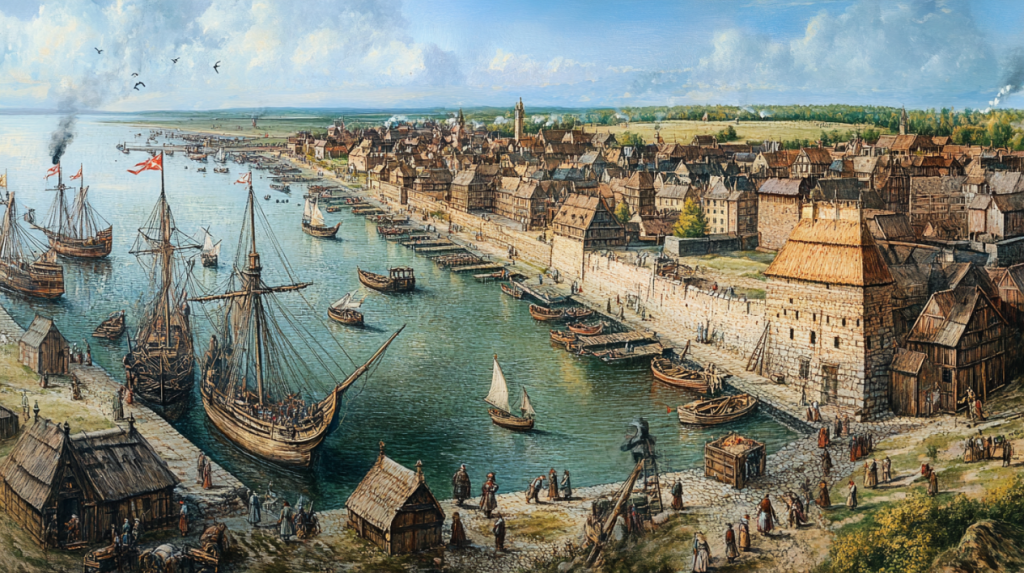
Memel was one of the northern points where German merchants pushed into the Baltic territories.
It was part commerce, part frontier."
Tomas added, “So it wasn’t just trade. It was a foothold."
“Exactly," Emma said. “And cities like Memel were structured around that: fortified warehouses, trade squares, controlled harbor access.
Or at least, that’s how it’s described. I’m curious to see if the old layout still shows through."
Julia smiled. “So you’re coming with a historian’s checklist in your head?"
Emma laughed softly. “Maybe a little. But mostly… I’m just curious what traces survive.
Sometimes you feel history more in the gaps than in the buildings."
The car rolled on, the skyline starting to show the distant silhouettes of cranes and ships.
The land was thinning out.
Ahead, the past and the sea waited.
往港口的路上
田野逐漸被零星的蘆葦叢取代。空氣變得涼爽銳利,帶著明顯的鹹味。
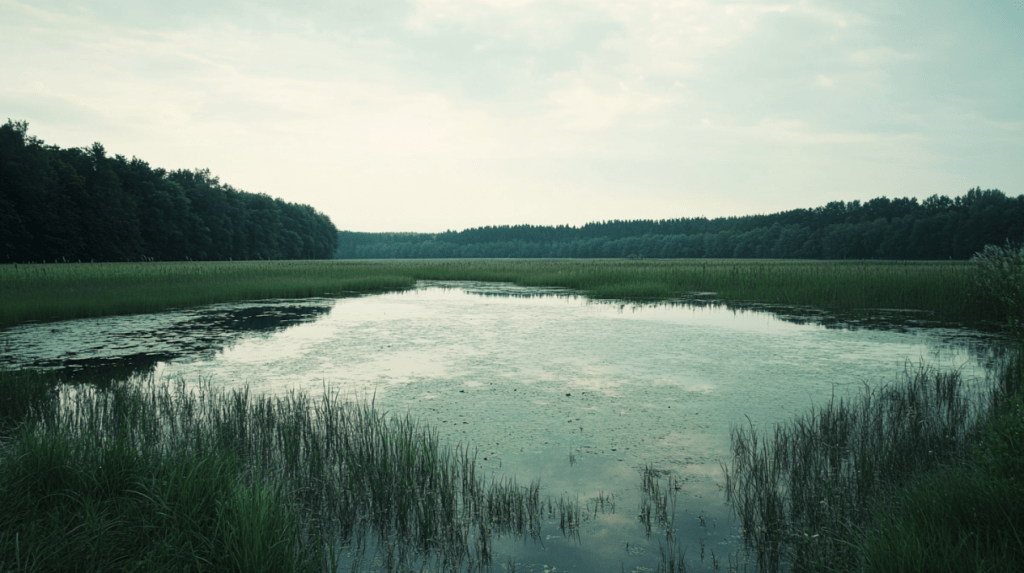
艾瑪望著窗外景色的變化,語氣帶著一絲沉思。「從歷史上來說……這片海岸並不只是邊緣。Memel——也就是現在的克萊佩達——曾是漢薩同盟網絡的一部分。」
茱莉亞轉頭問道:「妳去過那裡嗎?」
艾瑪搖搖頭:「沒有。我讀過、研究過,但這是第一次真正要到那座城市。」
Ben好奇地問:「那Memel當時扮演什麼角色?」
艾瑪輕輕換了個姿勢:
「是個貿易據點,但不只是交易那麼簡單。漢薩同盟不是單純的商人聯盟,它是一套系統——有貿易規則、有契約、有聯盟關係。」
「Memel 是德國商人向波羅的地區推進的北方據點之一,既是商業,也是前線。」
托馬斯補充說:「所以不只是做生意,也是立足擴張?」
「對,」艾瑪點頭說,
「而像Memel這樣的城市結構,也反映了這一點:有加強防禦的倉庫,有控制進出的港口,有設計過的貿易廣場。
至少書上是這麼描述的。我也很想看看,今天的城市格局,還看不看得出這些痕跡。」

茱莉亞笑著說:「所以妳腦袋裡已經有一張歷史學家的清單了?」
艾瑪輕輕笑了笑:「也許有一點。不過更多的是好奇吧……有時候,歷史的存在,不是藏在建築裡,而是藏在那些看似空白的地方。」
A History Lesson on the Road
Emma leaned forward a little, still watching the changing light.
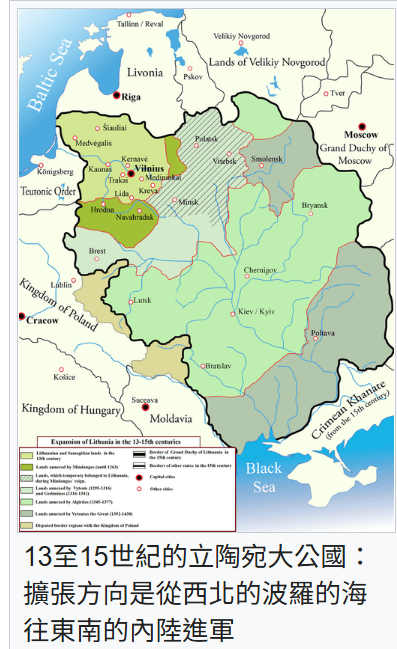
“You know, during the Hanseatic League’s peak, Lithuania wasn’t just a tribal region. It was already a major power — the Grand Duchy of Lithuania. Huge, stretching from the Baltic all the way into today’s Ukraine."

Julia raised an eyebrow. “I thought the Hanseatic League dominated the Baltic."
Emma smiled. “At sea, yes. On land, not so much. Lithuania had its own power base — kings, armies, treaties.They traded with Hanseatic cities, sure, but they weren’t part of the network. More like… neighbors who sometimes did business, sometimes fought."
Ben said, “So Memel — today’s Klaipėda — was at the edge of two worlds?"
“Exactly," Emma said. “German merchants on one side, Lithuanian rulers on the other.
The sea was Hanseatic. The land was Lithuanian."
車上的歷史課
瑪微微向前傾著身體,看著外頭光線的變化。「你們知道嗎?在漢薩同盟最強盛的時期,立陶宛早就不是什麼邊緣的小民族了。那時已經是個大國——立陶宛大公國,領土從波羅的海一直延伸到今天的烏克蘭。」
茱莉亞挑了挑眉:「我一直以為波羅的海是漢薩同盟的天下。」
艾瑪笑了笑:「在海上是。但在陸地上,就不是了。立陶宛有自己的國王、軍隊、外交條約。
跟漢薩城市有貿易往來,但不是那個體系的一部分。更像是……有時做生意,有時也衝突的鄰居。」
Ben說:「那麼,Memel——也就是現在的克萊佩達——就是兩個世界的交界?」
「沒錯,」艾瑪說,「一邊是德國商人,一邊是立陶宛領主。海是漢薩的,陸地是立陶宛的。」
National Memory on the Road
Emma leaned forward again, curiosity lighting up her features.
“Do people here still think much about the Grand Duchy days? That sense of having once been… powerful?"
Tomas kept his eyes on the road for a moment before answering.
“Not in the way you might think," he said slowly. “It’s not… nationalistic shouting.
It’s quieter. Deeper.
It’s in the way we feel about who we are."
Julia turned slightly in her seat. “Like how?"
Tomas thought for a second.
“You grow up knowing — even if nobody tells you directly — that your ancestors once built something huge.
Not by conquering overseas, but by holding this rough, cold land together. You feel it in small things. How people insist on speaking Lithuanian even when it would be easier to switch. How old songs survive. How independence still feels… fragile, even now."
Ben said, half-serious, “It’s like historical muscle memory."
Tomas smiled faintly. “Yeah. We don’t walk around waving flags.
But we remember. Even if it’s not about wanting an empire back — it’s about not forgetting we were once strong by our own hands."
Emma nodded slowly. “Is it different between generations?"
Tomas glanced briefly at the mirror.
“Sure. Older people — especially those who lived under Soviet rule — feel it more sharply. For them, it’s tied to survival, pride, defiance.
For younger people… it’s maybe quieter. More cultural than political.
But it’s still there, in the way people treat the language, the land."
He paused, then added,
“And I think… that’s why people here are cautious when it comes to bigger powers. Not with anger, just… memory. A memory that we’ve seen how easily a map can change — and how long it takes to rebuild what’s lost."
Outside the window, the fields had almost vanished, and the smell of salt and metal grew stronger.

立陶宛人對輝煌歷史的記憶
艾瑪再次向前傾身,眼中閃著好奇的光。「你們現在,還常常想起立陶宛大公國的時代嗎?那種曾經很強盛的感覺?」
托馬斯沉默了一下,專注地看著前方的路,才慢慢回答。「不是那種你想像中的方式,」他緩緩地說,「不是什麼高聲叫囂的民族主義。更安靜,也更深層一些。是存在於我們怎麼看自己是誰的方式裡。」
茱莉亞轉過身來,好奇地問:「怎麼說?」
托馬斯想了一會兒。「你從小就知道——即使沒有人直接跟你說——你的祖先曾經建造過一個很大的國家。不是靠遠征別的地方,而是靠在這塊寒冷、難以耕種的土地上堅持下來。這種感覺藏在生活的小細節裡。
比如,哪怕用別的語言更方便,人們還是堅持講立陶宛語。」
「比如,某些老歌還在流傳。比如,即使今天已經是獨立國家了,獨立這件事,仍然讓人覺得……脆弱,隨時要守護。」
Ben半開玩笑又認真地說:「像歷史留下來的肌肉記憶?」
托馬斯輕輕笑了笑:「可以這麼說。我們不會到處揮舞旗子,但我們記得。不是想要回到過去的大國時代,而是,不想忘記曾經我們是靠自己站起來的。」
艾瑪緩緩點頭,問道:「不同世代之間,有差嗎?」
托馬斯透過後視鏡看了看後座。
「有的。經歷過蘇聯時代的人,感受特別強烈。對他們來說,那是生存,是尊嚴,是一種反抗。」
「年輕一點的人呢……可能比較溫和,更多是文化層面的延續,而不是政治上的堅持。但那股記憶還是在。你可以從人們怎麼對待自己的語言,怎麼看待自己的土地,看得出來。」
他頓了頓,又補充了一句:
「我想,這也是為什麼我們對那些大國,總是多一份謹慎。不是帶著憤怒,而是一種記憶。記得地圖可以輕易改變,而失去的東西,要很久很久才能重新找回。」
窗外的田野幾乎已經消失了,海港的鹹味與金屬氣味越來越重。


 Virtual Travel | 虛擬旅行沉浸式英語學習
回覆給The Virtual World Explorer 取消回覆