
Breakfast in a Cozy Guesthouse
The restaurant was simple but inviting — whitewashed walls, wooden beams, and large windows that let in the soft winter light. Pine furniture and a few small potted plants gave the space a quiet, lived-in feeling.
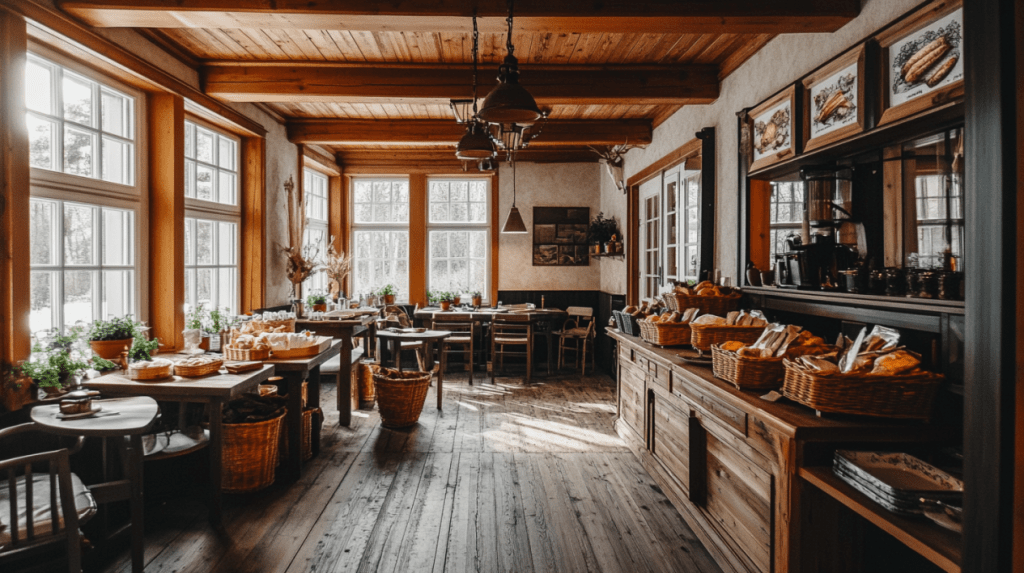
The breakfast buffet was already set up along one side of the room:
platters of smoked salmon and cheese, baskets of black rye bread and rolls, bowls of fresh salad greens, and trays of boiled eggs. At the end of the table, there were pitchers of juice, pots of tea, and strong, dark coffee.
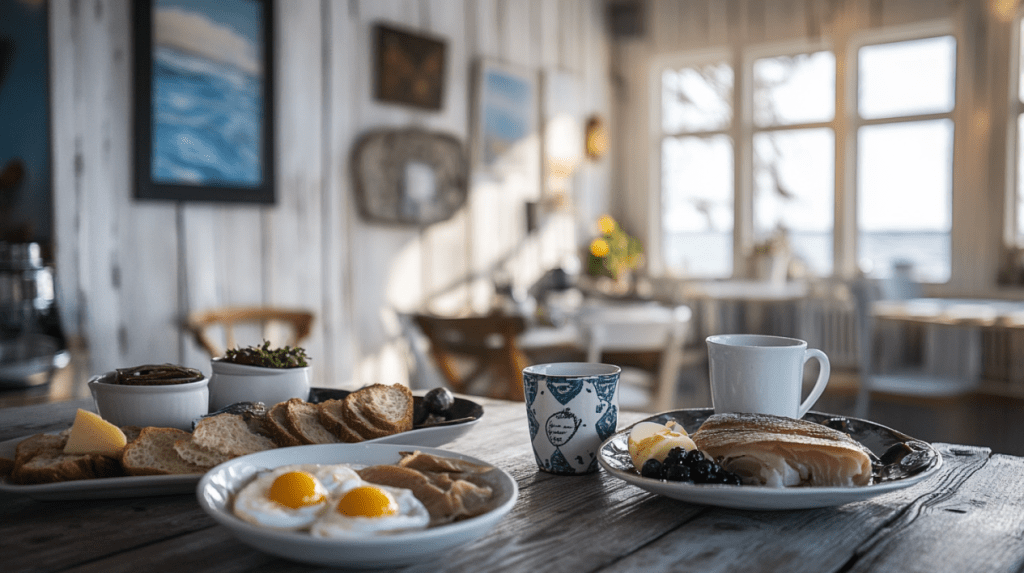
Ben grabbed a plate, smiling. “This looks perfect."
They moved along the buffet slowly, picking up slices of smoked fish, spoonfuls of berries, and a few pieces of soft bread.
The room smelled faintly of fresh bread and brewed coffee, warm against the cold air outside.
Julia found a table by the window. The view overlooked a patch of frosted grass and, beyond it, the calm silver surface of the lagoon.
Emma poured tea into a simple white cup and sat back. “Breakfast with a view. Not bad at all."
Tomas laughed softly. “And no hurry. That’s the best part."
民宿裡的早餐時光
餐廳布置得簡單而溫暖——刷白的牆面、裸露的木樑、大窗戶讓柔和的冬日光線灑進來。松木傢俱和幾盆小巧的盆栽,讓整個空間多了一種安靜、自然的生活感。
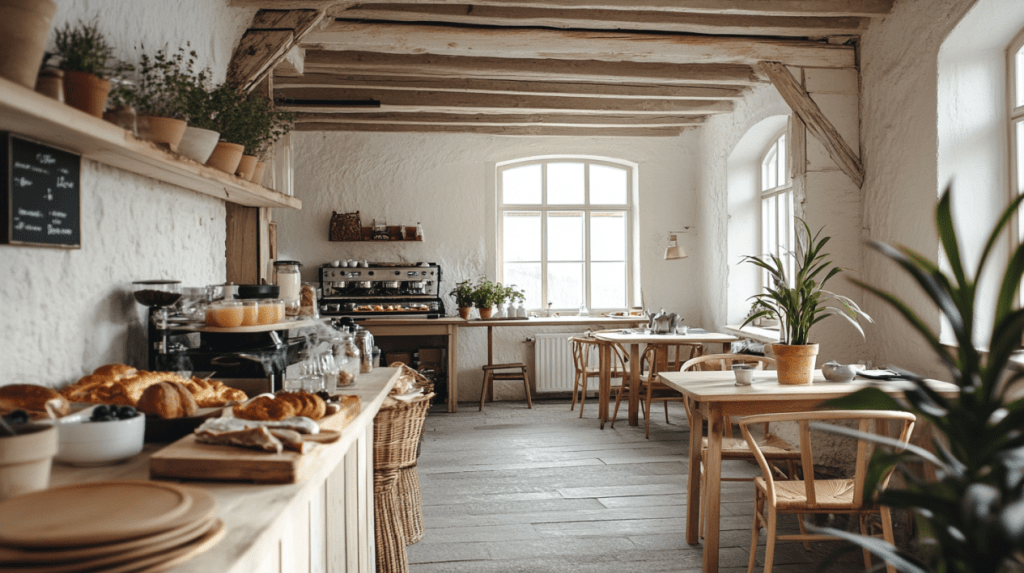
自助早餐已經沿著餐廳一側擺好:一盤盤的煙燻鮭魚和起司、一籃籃黑麥麵包和小餐包、一碗碗新鮮沙拉菜,還有一大盤水煮蛋。桌子的盡頭放著果汁壺、熱茶壺,還有一大壺香氣濃郁的黑咖啡。
班拿起一個盤子,笑著說:「這看起來太完美了。」
他們慢慢沿著餐檯移動,夾了幾片煙燻魚,舀了些莓果,又拿了幾塊柔軟的麵包。
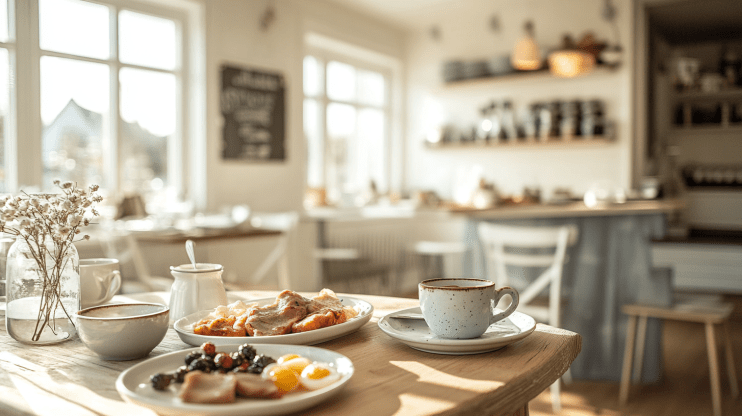
整個房間瀰漫著淡淡的麵包香和咖啡香,抵消了外面空氣的寒意。
茱莉亞選了靠窗的位置坐下。窗外是一片覆著霜的草地,再遠一點,是平靜而銀白的潟湖水面。
艾瑪倒了一杯熱茶,輕輕倚在椅背上說:「一邊吃早餐,一邊看風景。真不錯。」
托馬斯輕笑了一下:「而且沒有人催,這才是旅行最好的地方。」
Birdwatching by the Lagoon
The trail from the guesthouse led them gently downhill toward the lagoon. The morning sun had begun to break through the clouds, casting a pale gold across the reed beds.
The air was cold—about 5°C—but dry. Each breath formed a soft cloud in front of their scarves.
They wore layered clothing: light down jackets, gloves, knitted caps.
Emma had a small field notebook, and Ben carried binoculars and a camera slung over his shoulder.
The wooden walkway curved along the edge of the lagoon. Low grasses and reeds rustled in the breeze.
Tomas pointed toward a group of dark silhouettes in the distance.
“Great cormorants,” he said. “They like this stretch in early spring. You can see them sunning their wings.”

Great cormorants
Sure enough, a few stood motionless on a fallen log, wings outstretched, drying in the cold sunlight. Others dipped beneath the surface, reappearing a few meters away with a flash of silver.
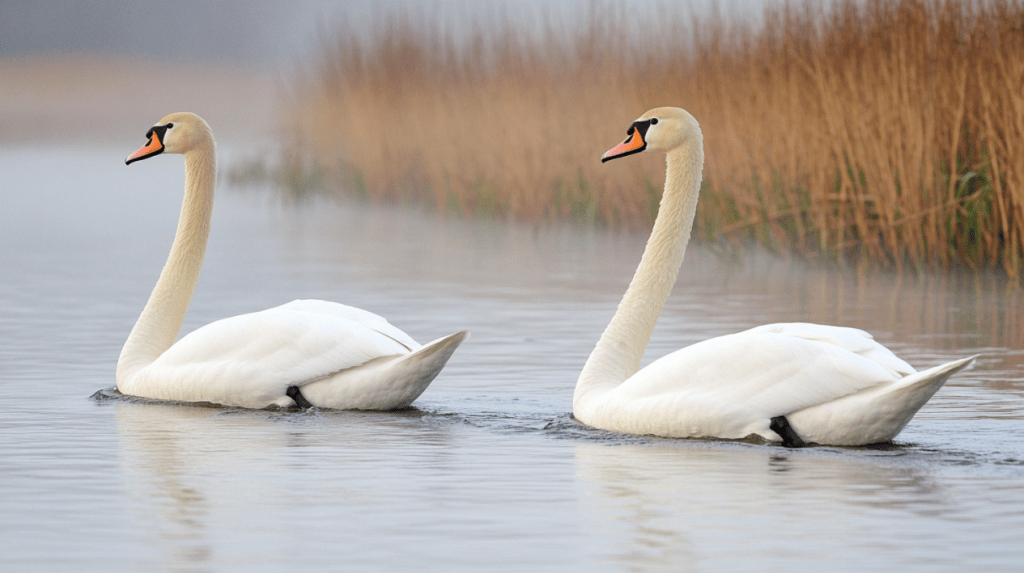
Farther along, they saw a pair of mute swans, gliding silently through the water. Above them, a marsh harrier circled slowly, low and steady.
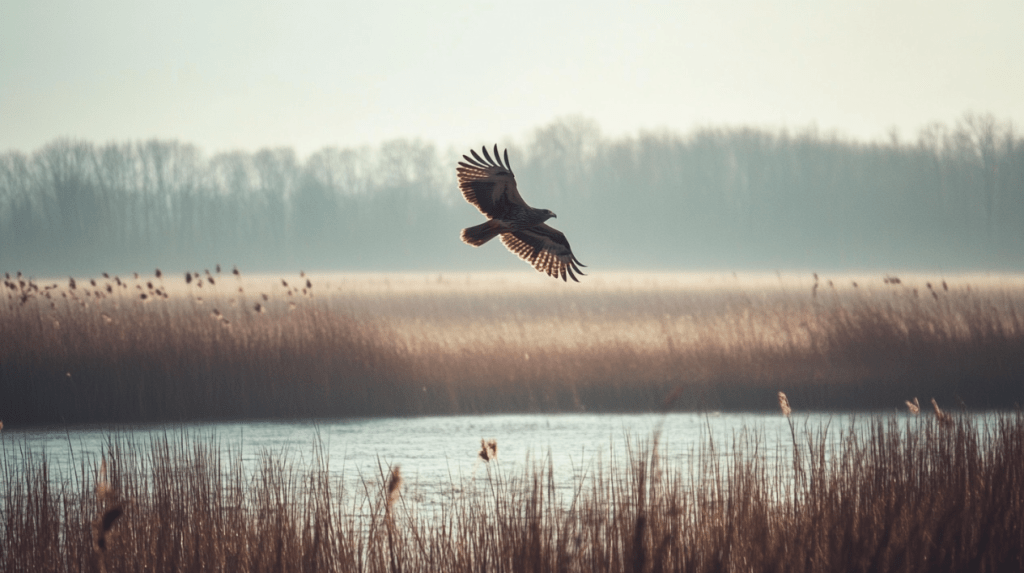
Marsh Harrier (澤鷂)
Renata whispered, “Listen. Reed buntings.”
From somewhere in the reeds came a series of high, rhythmic calls—sharp, repetitive, like tapping glass.
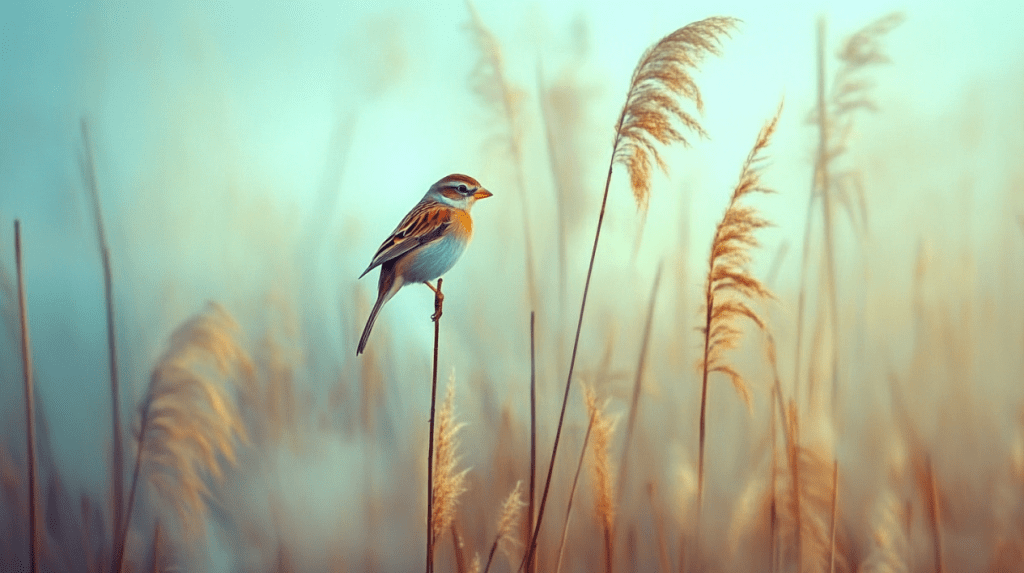
Reed bunting
They walked slowly, sometimes pausing to observe, sometimes just to breathe. The air carried the smell of damp wood and still water, edged with something faintly salty.
No one spoke much. The quiet was part of the experience.
潟湖邊的觀鳥時光
從民宿出來的小路緩緩通往潟湖,晨光開始穿過雲層,淡金色的光線灑在蘆葦叢上。氣溫大約只有五度,但空氣乾冷。呼出的氣在圍巾前形成一團團白霧。
他們穿著多層保暖衣物:輕羽絨外套、手套、毛線帽。艾瑪拿著一本小小的筆記本,班背著望遠鏡和相機。
木棧道沿著潟湖邊緣蜿蜒延伸。低矮的草叢和蘆葦在微風中沙沙作響。
托馬斯指向遠方一群黑色身影,「大鸕鶿(Great cormorant)」他說。「早春的時候常來這一帶。你看,有些在曬翅膀。」
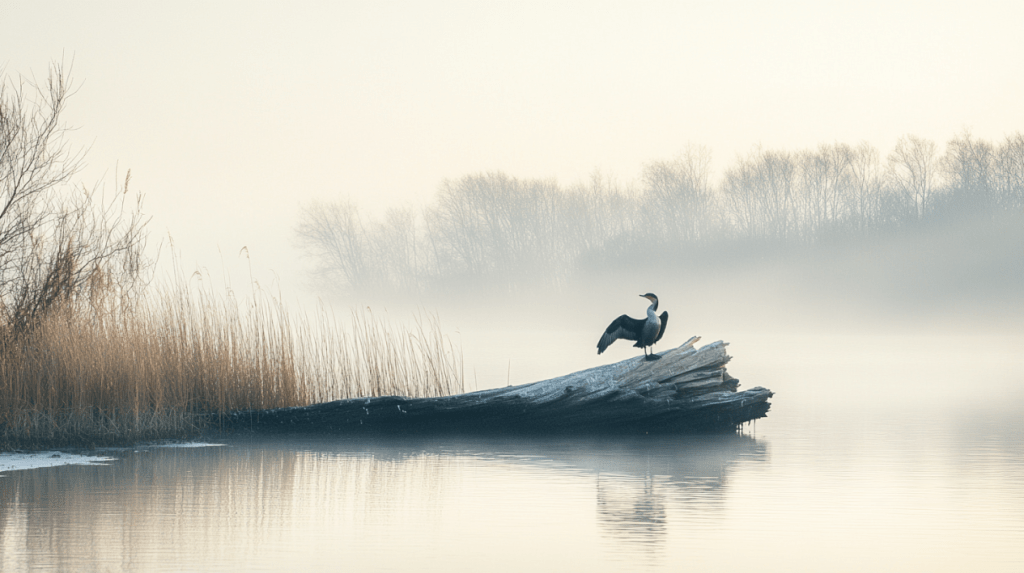
大鸕鶿(Great cormorant)
果然,有幾隻就那樣靜靜地站在一根倒木上,展開翅膀對著陽光,一動也不動。其他幾隻則潛入水中,沒多久又在不遠處冒出頭,閃著銀光。
再往前走,他們看到一對疣鼻天鵝(mute swan),安靜地滑行在水面上。上空,一隻澤鷂(marsh harrier)低低地盤旋,姿態穩定。
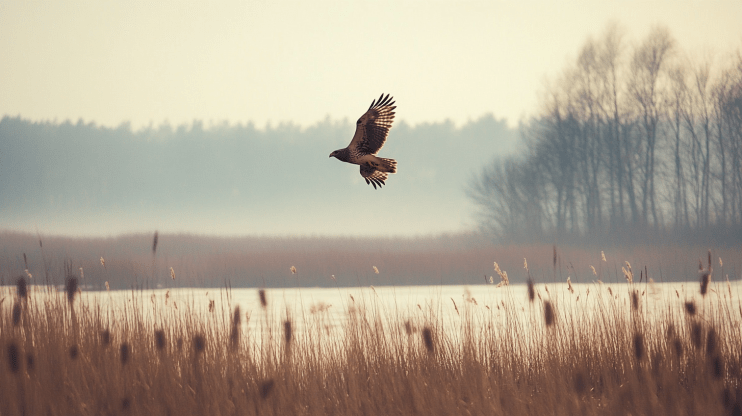
澤鷂(marsh harrier)
雷娜塔壓低聲音說:「你們聽,葦鵐(reed bunting)的叫聲。」
蘆葦叢中傳來一連串尖銳、規律的高頻鳴聲,像是有人輕輕敲擊玻璃。
他們慢慢地走,有時停下觀察,有時只是靜靜地呼吸。空氣裡有一種濕木頭與靜水混合的氣味,尾端還帶點淡淡的鹹味。
沒有人說太多話,這種靜謐,本身就是觀鳥的一部分。
A Drive Through the Village
Back in the car, the group took a slow drive through the center of Juodkrantė. The sun had fully risen, casting crisp light on the tidy streets and blooming gardens.

Emma pointed out a few buildings as they passed. “Some of these houses are beautiful—almost too perfect.”
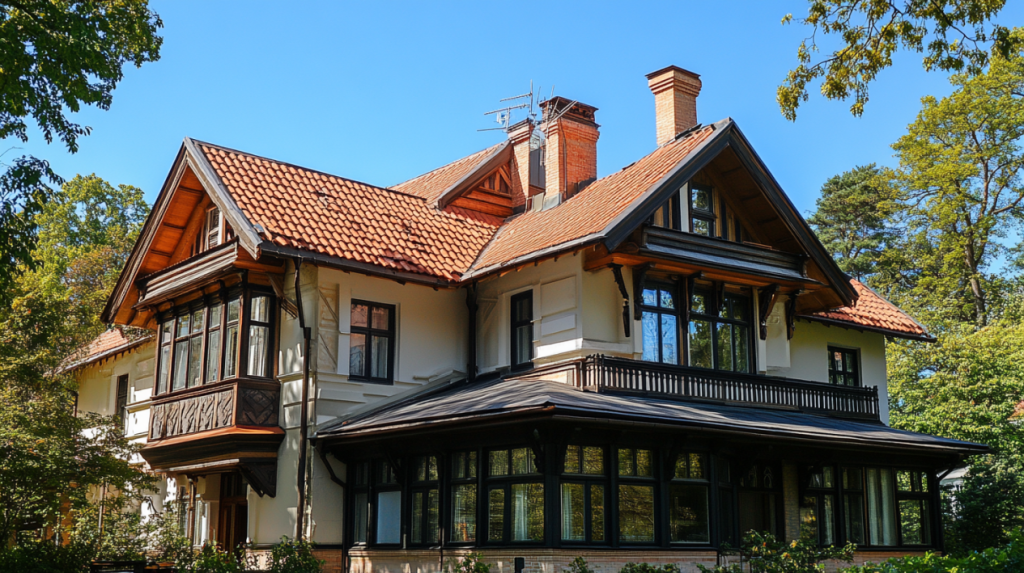
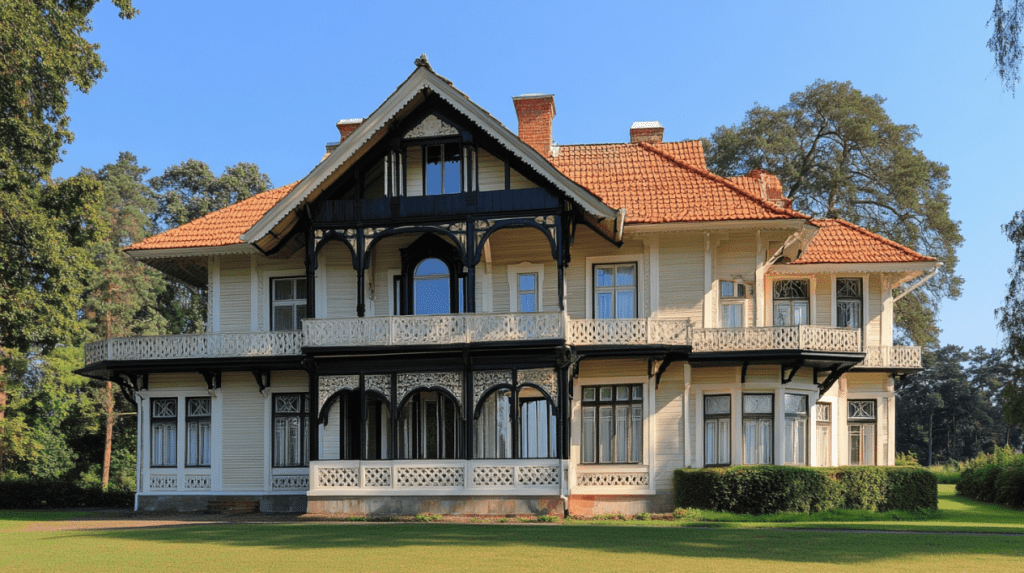
Tomas smiled. “Many of them are restored villas from the 19th century. This street—Kalno Street—was part of the old resort district during the German period. Tourists came here for the clean air and the lagoon views.”
Ben rolled down his window a bit. “Still feels like a resort town.”
Julia leaned forward. “So the economy here is mostly tourism?”
Tomas nodded. “Yes. During Soviet times, the whole Curonian Spit was quieter, but in recent decades, places like Juodkrantė and Nida have become summer destinations again. A lot of EU funds went into infrastructure upgrades, including restoring facades like these.”
Renata added, “I heard there are rules for building here. No high-rises?”
“Exactly,” Tomas said. “It’s all protected by UNESCO guidelines. The architecture must follow traditional patterns—wooden frames, muted colors, pitched roofs.”
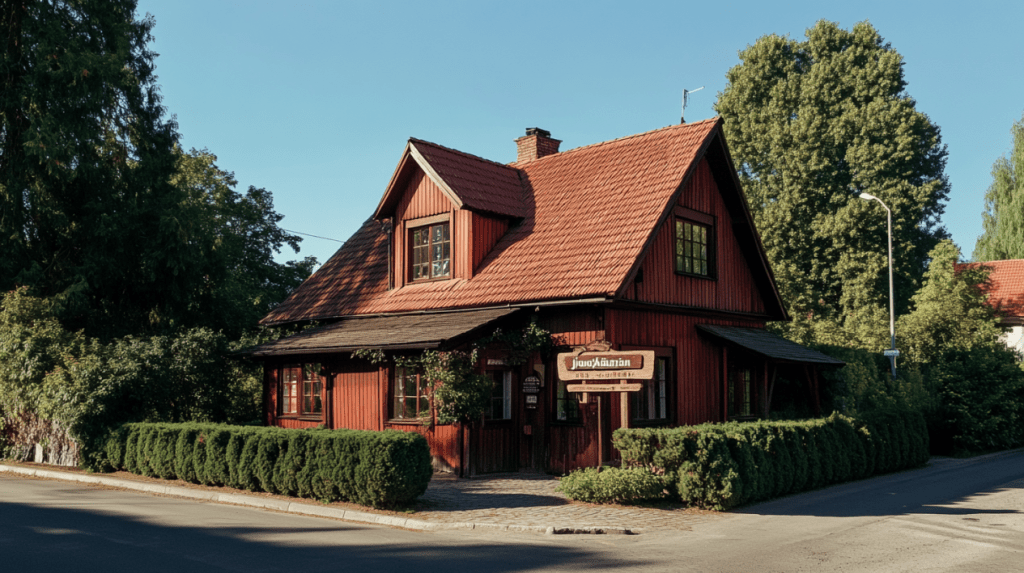
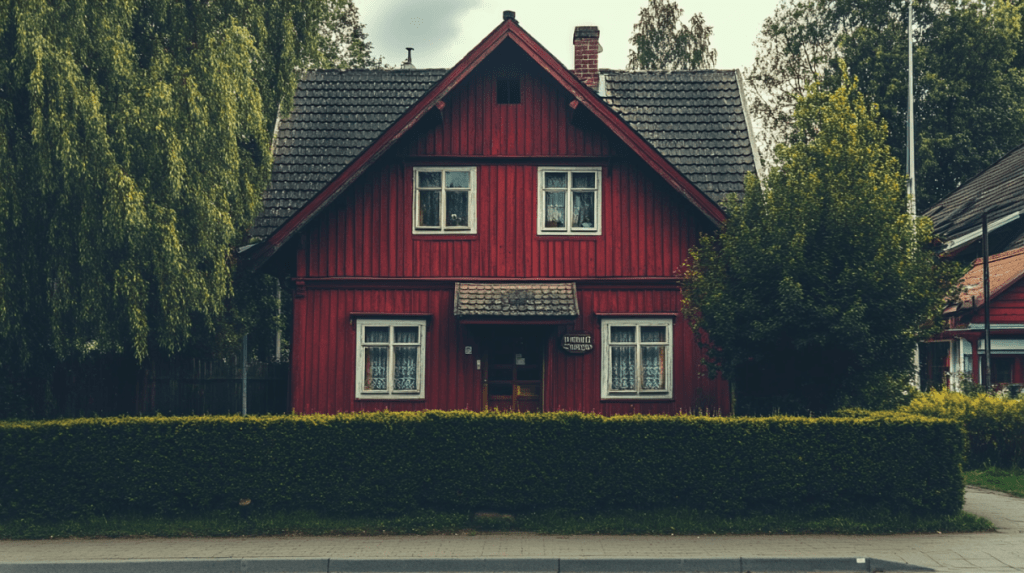
They passed a charming red building with a carved sign out front.
Ben smiled. “Looks like something out of a fairy tale. But… with Wi-Fi.”
賞鳥之後:穿越村落的小小兜風
結束觀鳥後,他們回到車上,沿著 Juodkrantė 的主要街道慢慢開著。
太陽已經完全升起,灑在整齊的小巷與盛開的庭院花叢上,明亮而不刺眼。
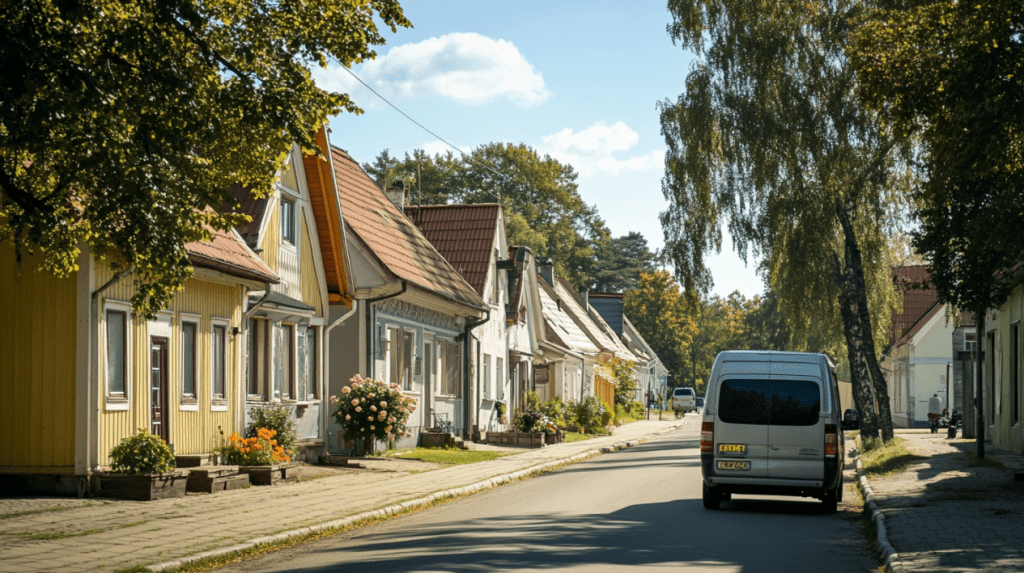
艾瑪看著窗外,不時指著一棟棟建築:「這些房子真漂亮,有些甚至好像太完美了。」
托馬斯微笑著說:「很多都是十九世紀的老別墅改建的。這一帶——Kalno 街,是以前德國時期的渡假區。那時很多人來這裡避暑,看潟湖、呼吸清新的空氣。」
班把車窗搖下一點:「現在還是渡假小鎮的感覺。」
茱莉亞問:「所以這裡的經濟主要靠觀光嗎?」
托馬斯點頭:「是的。蘇聯時期這整條沙嘴地帶比較安靜,近幾十年才又慢慢成為夏季熱門地點。歐盟其實有投入資金整修這裡的基礎建設,包括像這些外牆的整修。」
雷娜塔補充:「我聽說這裡建築有限制,不能蓋高樓?」
「沒錯,」托馬斯說,「因為整個地區受 UNESCO 保護,建築必須遵循傳統規範——木造結構、柔和色調、斜屋頂等等。」
他們經過一棟紅色的可愛建築,前面豎著一塊雕刻的木牌。
班笑著說:「像童話裡的小屋……但有 Wi-Fi。」
Lunch by the Lagoon
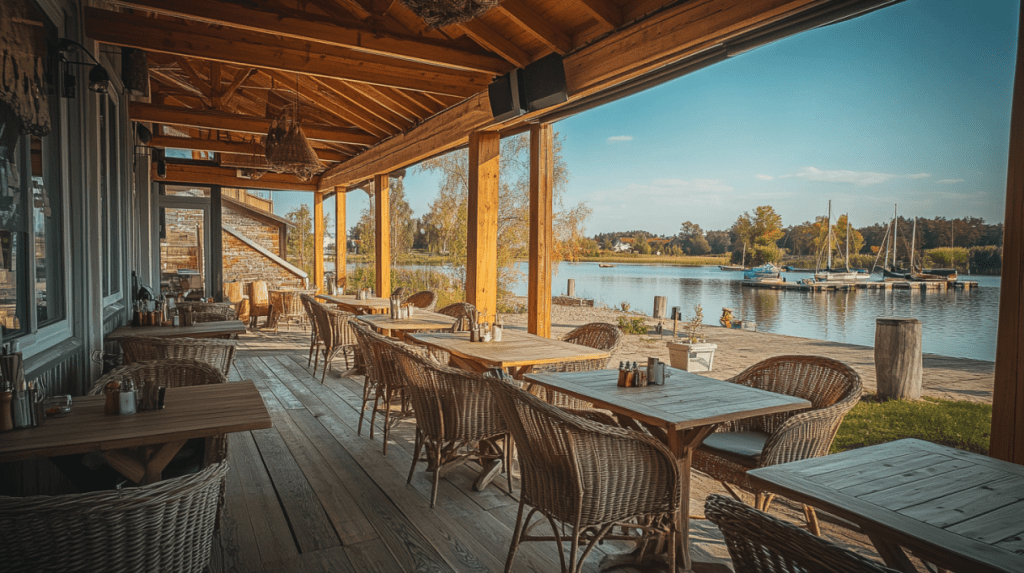
After their slow drive through the town, they parked near a small restaurant tucked behind a line of pine trees. A hand-painted sign read Žuvis ir Duona — Fish and Bread.
It wasn’t fancy. Just a few wooden tables by the window, and the smell of herbs and smoked fish drifting in the air.
They sat down, warmed by the indoor stove still lit from the chilly morning.
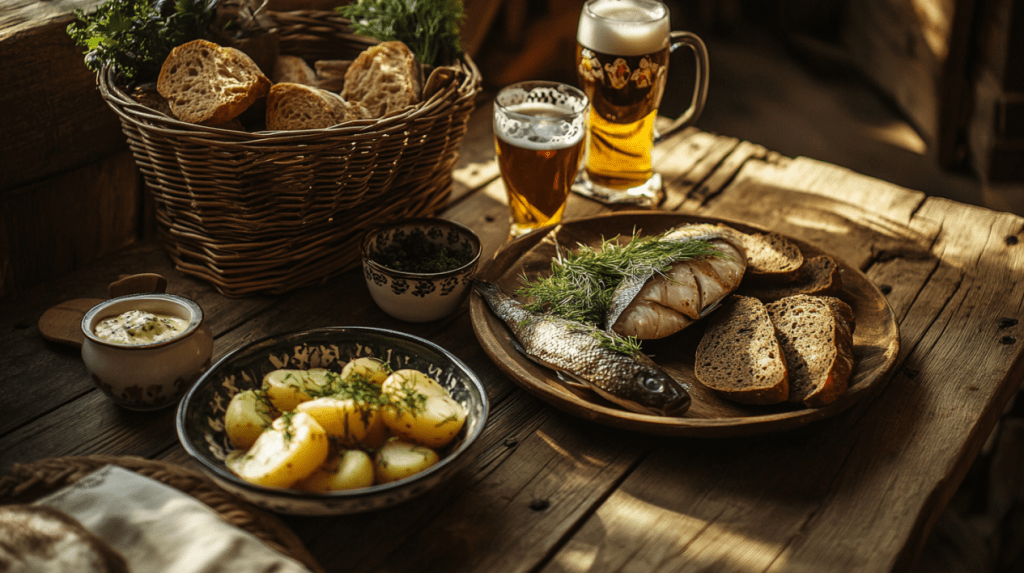
The menu was simple: fish soup, smoked perch, boiled potatoes with dill, a basket of dense black rye bread, and a small bowl of garlic butter.
Ben looked around. “This feels local.”
Renata smiled. “It is. My cousin came here last summer — said the smoked fish alone was worth the drive.”
Emma took a sip of the soup and nodded. “I like that it’s not overly seasoned. You can really taste the fish and the herbs.”
Tomas added, “Most of this fish probably came from the lagoon. Perch, zander — they’re common catches here.”
Julia tore off a piece of bread and dipped it into the garlic butter. “The bread’s good. Hearty. A little sour.”
“They use rye starter,” said Tomas. “Every family has their own version. It’s a bit of a science.”
Ben picked up a glass of pale golden beer. “And this?”
“Local brew,” said Renata. “Probably from Klaipėda.”
Outside the window, the lagoon shimmered quietly under the midday light. A group of cyclists passed by, windbreakers flapping in the breeze.
It wasn’t a long lunch, but it felt like a pause — the kind that makes you forget the clock.
潟湖邊的午餐

在鎮上慢慢繞過一圈後,他們把車停在一間隱身在松樹後的小餐館前。
手繪木牌上寫著「Žuvis ir Duona」——「魚與麵包」。
餐廳不大,也不豪華。幾張靠窗的木桌,空氣中飄著香草和煙燻魚的氣味。
他們坐下來,爐火還沒完全熄,帶來一點從早晨延續至今的暖意。
菜單很簡單:魚湯、煙燻鱸魚、撒上蒔蘿的水煮馬鈴薯、一籃厚重的黑麥麵包,旁邊附一小碗蒜味奶油醬。
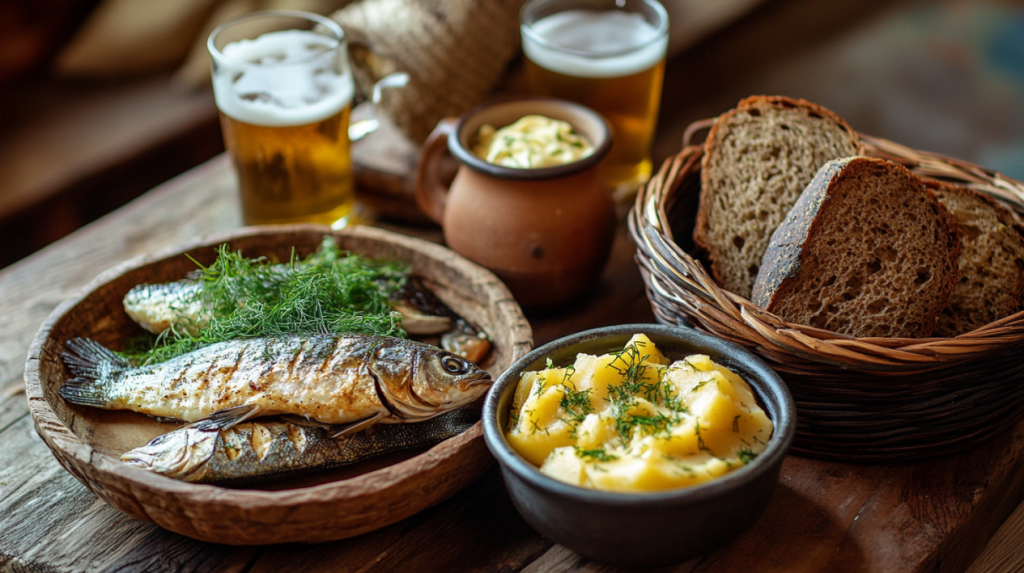
班看了看四周,低聲說:「這裡很有在地感。」
雷娜塔笑著點頭:「是的。我表姐去年夏天來過,說光是那煙燻魚就值得開車一趟。」
艾瑪舀了一口魚湯,邊嚐邊點頭:「味道不重調味,但香草和魚本身的味道很清楚。」
托馬斯補充:「這些魚多半就是潟湖裡的,像鱸魚、梭魚這類,是這附近常見的漁獲。」
茱莉亞撕下一塊黑麥麵包,抹上蒜味奶油醬:「這麵包很好吃,實在又有點酸味。」
「那是用裸麥發酵的,」托馬斯說,「每家配方都不一樣,算是一門技藝了。」
班拿起一杯金黃色的啤酒問:「這酒呢?」
「本地釀的,大概來自克萊佩達,」雷娜塔說。
窗外,潟湖在正午的陽光下靜靜閃著光。一隊單車騎士經過,風衣在風中沙沙作響。
這頓午餐不長,但卻像是某種暫停鍵,讓人短暫地忘記了時間。
An Afternoon Walk to the Hill of Witches
After lunch, they didn’t rush. The afternoon light was soft and slanted, and the air smelled faintly of pine and salt.
Tomas suggested, “We could walk a bit. The Hill of Witches is just on the edge of the forest.”
Ben raised an eyebrow. “The what?”
Emma smiled. “It’s not as dramatic as it sounds. It’s a trail through the woods, filled with wooden sculptures based on Lithuanian folk legends.”

They followed a narrow gravel path into the trees. The forest quickly wrapped around them — tall pines, mossy trunks, dry leaves underfoot.
Soon, the first sculpture appeared: a tall, hunched witch figure with wild wooden hair and outstretched arms.
Renata laughed. “I used to be scared of this one as a kid. Would run past with my eyes closed.”
Ben walked closer with his camera. “It’s weird and charming. Like a fairy tale that doesn’t bother to be nice.”
Tomas added, “Some of these carvings are decades old. Local artists started the trail in the 1970s — it was their way of preserving stories that weren’t always safe to tell out loud during Soviet times.”
Julia looked at one of the more abstract figures — a long, twisting creature with several heads. “These feel more psychological than decorative.”
Emma nodded. “That’s folklore. A lot of it’s about fear, nature, things that shift shape.”
They continued up the hill slowly, pausing often — not because it was difficult, but because the forest was quiet, and the stories seemed to breathe from the wood.
午後,前往巫婆山
吃完午餐後,他們沒有急著離開。午後的光線柔和微斜,空氣中帶著松樹與淡淡鹹味的氣息。
托馬斯提議:「我們可以去走一走。巫婆山就在森林邊上。」
班挑了挑眉:「巫婆山?聽起來不太妙。」
艾瑪笑著說:「沒那麼恐怖啦。那是一條穿過森林的小步道,沿路有許多木雕,都是立陶宛的民間故事。」
他們沿著碎石步道走進樹林。四周很快被高大的松樹包圍,樹幹上長著青苔,地上是乾掉的落葉。
不久,他們看見第一座雕像:一位駝背巫婆,頭髮如木絲般亂飛,手臂張開,看起來像要抓住人。

雷娜塔笑出聲:「我小時候超怕這個,每次經過都閉著眼睛衝過去。」
班拿著相機湊近看:「很詭異,但也蠻可愛的。有點像不裝可愛的童話故事。」
托馬斯補充:「這些雕像有些已經幾十年了。這條步道從 70 年代開始,是當地藝術家發起的,那時很多傳說不能公開講,他們就用木雕保留下來。」
茱莉亞看著一座多頭怪獸的抽象雕刻,說:「這些雕像給人的感覺,不只是裝飾,還有點心理層面的暗示。」
艾瑪點頭:「這就是民間故事的本質啊——關於恐懼、自然、還有那些能變形的東西。」
他們慢慢往山坡上走,不時停下來。不是因為路難走,而是這片森林安靜得讓人忍不住想停下來,木雕裡的故事彷彿正從樹林深處慢慢呼吸出來。
As they walked deeper into the woods, another sculpture came into view — a crooked figure with an oversized nose riding a wooden broom.
Ben grinned. “Classic witch style. Is this from here?”
Tomas slowed down. “Some are local. But most of the figures on this hill come from all over Lithuania. It was meant to be a sort of national folklore trail.”
Emma looked intrigued. “So not just Juodkrantė legends?”
“No,” Tomas said, “though some stories — especially those about fishermen, or lagoon spirits — are unique to this coastal area. But others, like Laima the goddess of fate, or Velnias the spirit of the underworld, are part of Lithuanian mythology across the whole country.”
Renata added, “It’s kind of like a forest museum of imagination.”
Julia stopped in front of a two-headed carved figure. “So this could be a snake king? Or a weather demon?”
Tomas smiled. “Both have appeared in different regions. But here, they’re not labeled. It’s left open, for people to interpret.”
Emma nodded slowly. “Like memory carved into wood.”
他們繼續走在林中,又出現一座雕像——一個鼻子誇張的巫婆騎著木製掃帚,姿勢古怪地傾斜著。
班笑了一下:「經典巫婆造型。這是這裡的故事嗎?」
托馬斯放慢腳步說:「有些是。但這山上的雕像大多不是只屬於 Juodkrantė 的。它們來自立陶宛各地的民間故事,這條步道當初設計時,就是想變成一條‘國民想像的森林路’。」
艾瑪一邊走一邊點頭:「所以不是只有本地的傳說?」
「對,」托馬斯說,「雖然有一些故事是沙嘴這邊才有的,比如潟湖精靈、漁夫的咒語,但也有像命運女神 Laima、冥界之神 Velnias 這種全國都熟知的神話人物。」
雷娜塔補充:「這裡就像一座森林裡的想像博物館。」
茱莉亞停在一座兩個頭交纏的雕像前:「這會是蛇王?還是什麼天氣妖怪?」
托馬斯笑了笑:「可能兩者都有,不同地區會有不同解釋。但這裡不特別標註,讓每個人自己去想像。」
艾瑪輕聲說:「像是把記憶刻在木頭裡。」
Is It Just for Tourists?
They paused in front of a twisting sculpture — a creature with long limbs and a face halfway between human and animal.
Ben squinted at it. “Okay, this one’s definitely creepy.”
Julia tilted her head. “But are these all based on actual local stories? Or are they just… tourist art?”
Tomas smiled slightly. “Good question. Most of these figures aren’t from Juodkrantė specifically. They’re drawn from Lithuanian folklore in general — gods, spirits, witches, shapeshifters.”
Emma glanced around. “So it’s not a historical site in the strict sense.”
“No,” Tomas said, “not in the archaeological way. The first sculptures were made in the 1970s. It started as a kind of woodcarving camp — artists were invited here to create works based on national myths. This was during the Soviet period, when folk culture had to be… subtle.”
Renata added, “So it’s not just for tourists. It was a way of holding on to identity.”
Julia nodded. “Like a public memory project.”
“Exactly,” Tomas said. “Now it draws visitors, yes. But it’s also one of the few places where folk stories are given a body. Literally carved into the landscape.”
They stood in silence for a moment, the woods around them rustling in the afternoon breeze.
只是給觀光客看的嗎?
他們在一座扭曲的人形雕像前停下來。那雕像的四肢拉得很長,臉則像是人與野獸的混合體。
班皺了眉:「這一尊真的有點詭異。」
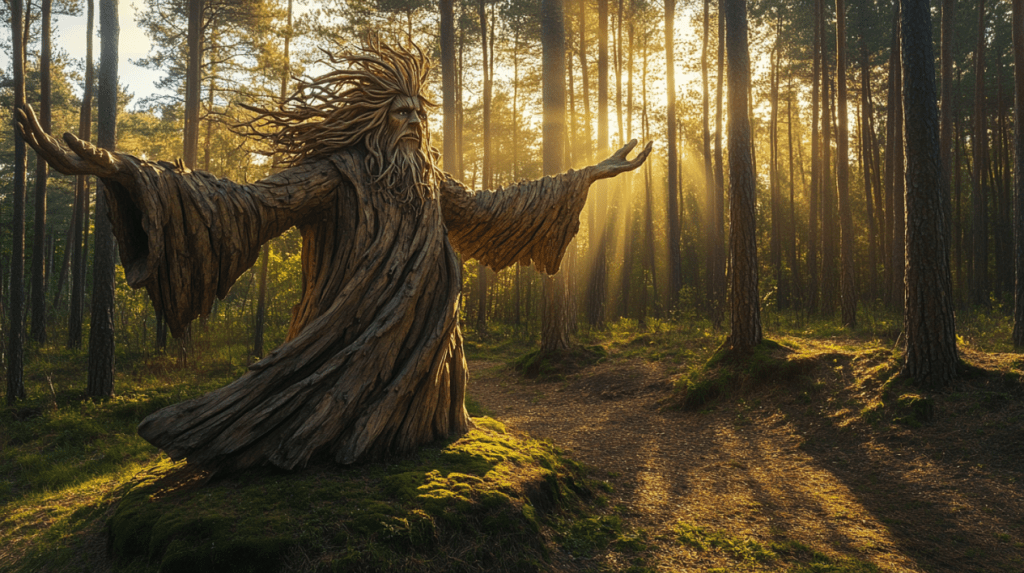
茱莉亞歪著頭看了一會兒:「但這些真的都是本地的傳說嗎?還是只是做來給觀光客看的?」
托馬斯微笑了一下:「問得好。大多數雕像其實不是 Juodkrantė 本地故事,而是來自整個立陶宛的民間傳說——像是女神、幽靈、巫婆、變形精靈這些。」
艾瑪環顧四周:「所以嚴格來說,這裡並不是歷史遺址。」
「對,不是那種考古學上的遺址。這些雕像最早是 1970 年代做的,那時這裡辦了一個木雕藝術營,請藝術家根據立陶宛的傳說來創作。那是蘇聯時代,很多文化東西不能明說,只能用這種方式留下來。」
雷娜塔補充:「所以它不只是為了觀光,其實是某種文化記憶的保留方法。」
茱莉亞點點頭:「有點像公共記憶計畫。」
「正是,」托馬斯說,「現在雖然有觀光性質,但這是少數能讓民間故事真的被雕刻下來、存在這片土地上的地方。」
他們站在那裡靜靜地看著,四周森林在午後微風中輕輕搖動。
Folklore and the North
As they continued up the hill, the forest grew quieter. Another sculpture appeared — a tall, cloaked figure holding a crooked staff, its face hidden beneath a wooden hood.
Emma stopped for a moment, studying the figure. “This one reminds me of something Norse. Maybe Odin in disguise. Has anyone ever compared Lithuanian folklore with Scandinavian mythology?”

Tomas nodded. “Yes, actually. There are overlaps. Not direct borrowings, but shared themes — nature spirits, forest witches, shape-shifting creatures. Remember, before Christianity, the entire Baltic region had strong animist and polytheist beliefs, just like the Norse.”
Julia added, “And the visual language is similar — stylized, exaggerated forms, symbols tied to seasons or fate.”
Emma crossed her arms. “I suppose it makes sense. We’re not that far geographically. And trade across the Baltic Sea went on for centuries.”
Tomas smiled. “Exactly. Cultural contact wasn’t just through cities. It happened in stories, too.”
Renata chuckled. “My grandmother always said: if your story includes a forest, a curse, and a shape-changer, it’s either a Lithuanian myth or something from Iceland.”
They laughed, and the figure on the path ahead looked less ominous — more like an old memory they had all once shared.
傳說與北方
他們繼續往山上走,森林變得更加安靜。又出現一座雕像——一個披著斗篷的高大人形,手裡拿著歪斜的拐杖,臉藏在厚重的木頭兜帽下。
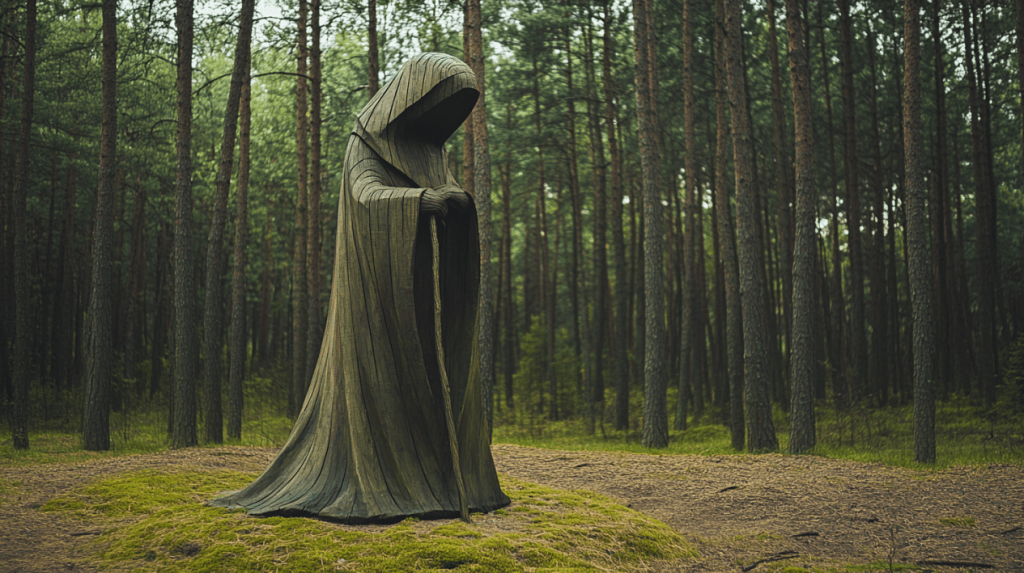
艾瑪停下腳步仔細看著:「這個讓我想到北歐的奧丁。像是偽裝過的形象。有人研究過立陶宛的傳說和斯堪地那維亞神話之間的關聯嗎?」
托馬斯點點頭:「有的。雖然不是直接影響,但有很多相似的主題——自然精靈、森林女巫、變形者。在基督教傳入之前,整個波羅的海區域都信仰自然神靈,多神信仰,這跟北歐非常接近。」
茱莉亞接著說:「而且雕像的風格也有共通點——誇張、象徵性強,常跟季節或命運有關。」
艾瑪雙手交叉抱著,若有所思:「地理上也沒多遠,而且幾百年來,波羅的海的貿易來往不斷。」
托馬斯微笑:「沒錯。文化交流不只是在港口城市,還在故事裡傳遞。」
雷娜塔笑著補充:「我外婆以前常說:只要一個故事裡有森林、詛咒和變形者,那不是立陶宛的神話,就是冰島的。」
他們都笑了起來,而那座剛才看起來有些詭異的雕像,也變得像是某種熟悉的記憶,彷彿大家早就聽過。
Back to the Lagoon
By the time they left the woods, the shadows had stretched long across the trail.
Renata stretched her arms. “Feels later than it is.”
Tomas checked his watch. “Still time before sunset. Want to head down to the lagoon?”
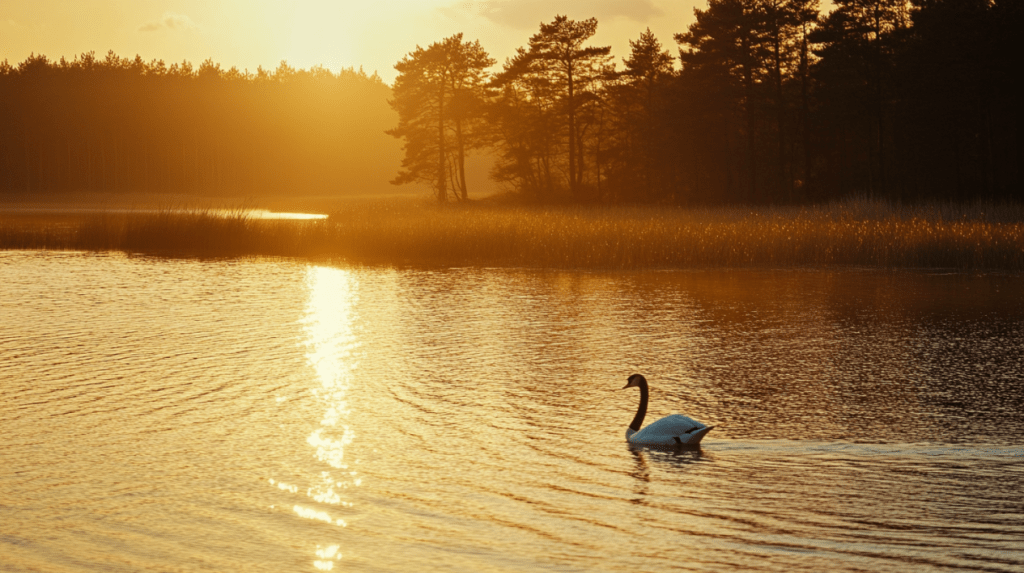
They nodded, and followed a side path that sloped gently toward the water.
The lagoon was quiet. A few boats bobbed gently near the small dock. The air smelled of reeds and salt, and the light was turning soft and gold.
Julia sat on a low wooden bench by the shore. “This is the kind of quiet I wish I could bring home.”
Emma stood nearby, hands in her coat pockets. “The kind of place where silence doesn’t feel empty.”
Ben had already walked a bit farther, setting up his camera by the water’s edge. “Light’s changing fast. Give me fifteen minutes.”
Renata pulled her jacket tighter. “I’ll wait here. Not moving anymore unless it’s to eat again.”
They smiled, and for a while, no one said much.
A swan drifted silently across the water. Somewhere behind them, a dog barked once and then stopped. The wind had died down.
It wasn’t dramatic. Just a slow, quiet end to the day.
回到潟湖邊
離開森林時,樹影已經拉得很長。
雷娜塔伸了個懶腰:「感覺比實際時間還晚。」
托馬斯看了看手錶:「離日落還有一點時間。要不要去潟湖邊走走?」
大家都點了點頭,順著一條斜坡小路慢慢往水邊走去。
潟湖邊很安靜。幾艘船在小碼頭旁輕輕晃著。空氣中帶著蘆葦與微鹹的氣味,光線正逐漸變成溫柔的金色。

茱莉亞在岸邊一張矮木椅上坐下:「這種安靜,我好想帶回家。」
艾瑪站在旁邊,手插在外套口袋裡:「這種安靜,不會讓人覺得空。」
班已經走到前方,在水邊架起相機:「光線變得很快。給我十五分鐘。」
雷娜塔拉緊外套:「我就在這裡等了。不動了,除非是去吃東西。」
他們笑了笑,一陣子沒人說話。
一隻天鵝靜靜地從水面劃過。遠處傳來一聲狗吠,接著又安靜下來。風也停了。
沒有什麼戲劇性的時刻,只是一個緩慢、安穩的黃昏。
Dinner at the Guesthouse
By the time they returned to the guesthouse, the sky had turned deep blue, with only a sliver of orange still clinging to the west.
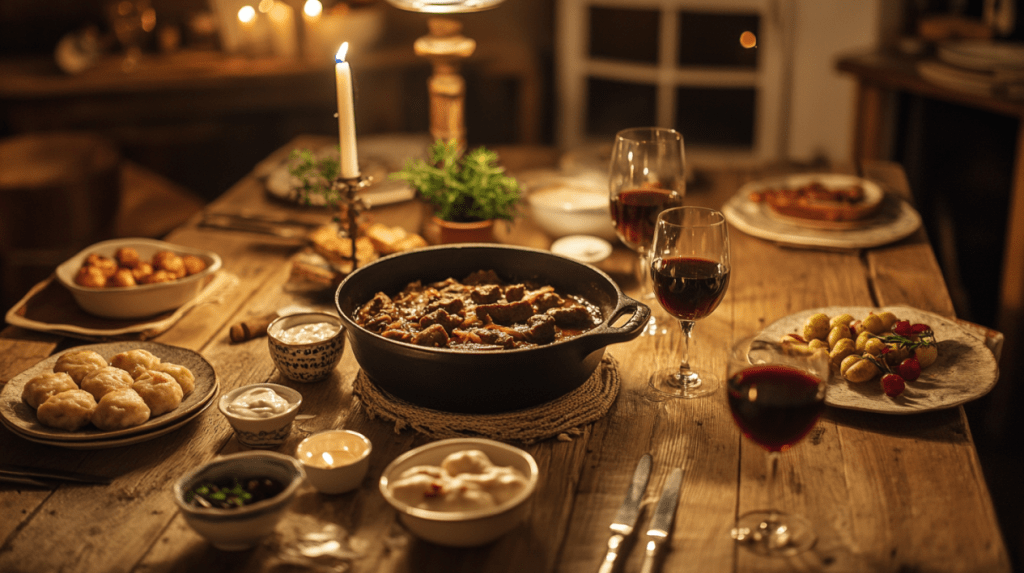
Tomas opened the front door. The smell hit them immediately — onions, herbs, something warm and slightly smoky.
“I think we’re lucky,” he said, smiling. “Cepelinai and beef stew tonight.”
Ben dropped his bag by the door. “The potato things? I thought those were mythical.”
Renata laughed as she took off her jacket. “Only because they take so long to make. Most people don’t bother unless it’s a weekend or a celebration.”
They gathered around the same long wooden table from the morning. The light was softer now — one ceiling lamp, a few candles near the window.
A heavy pot of stew sat in the middle, thick with beef, carrots, and a deep red sauce. The cepelinai — grayish, oval-shaped potato dumplings — were served with sour cream and bits of fried bacon.
Julia poked hers with a fork. “It looks… solid.”

“It is,” said Tomas. “It’s not supposed to be pretty. Just heavy enough to survive a Baltic winter.”
Emma tasted it and nodded. “I like the texture. And the filling. What is it — pork?”
“Usually, yes. Ground pork with a bit of garlic,” Renata said. “Some people make vegetarian ones, but that’s cheating.”
They ate slowly, talking less now. Someone poured a dark red fruit wine into small glasses — tart and a little sweet, just enough to warm the throat.
Ben leaned back in his chair. “This might be the first meal all day that actually makes me full.”
回到民宿的晚餐
他們回到民宿時,天色已經轉為深藍,西邊的天空只剩一抹橘紅微光。
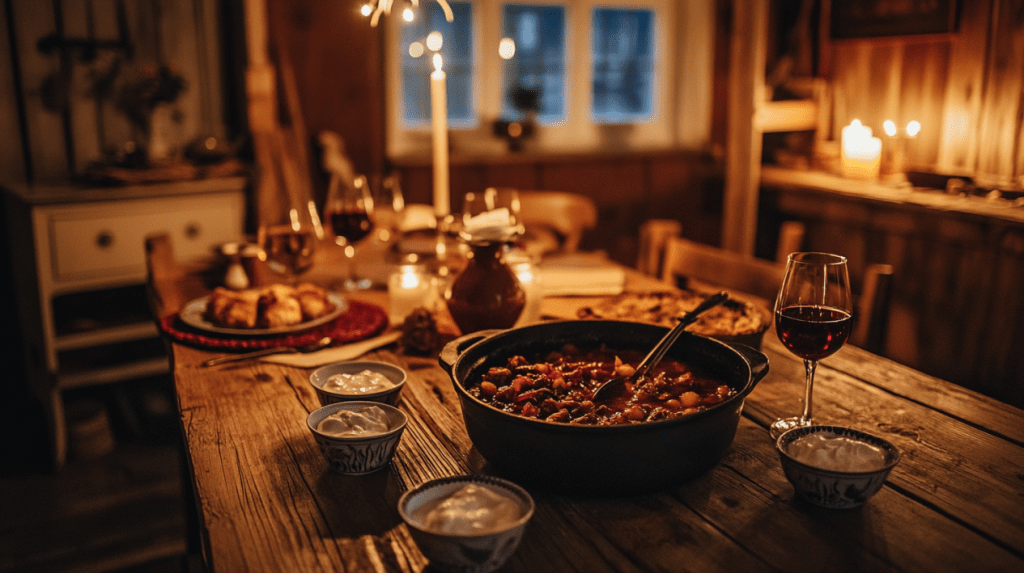
托馬斯打開門,一股香氣立刻撲鼻而來——洋蔥、香料,還有一點煙燻感。
「我們運氣不錯,」他笑著說,「今晚有 cepelinai 和牛肉燉菜。」
班把包包放在門邊:「那個馬鈴薯大餃子?我還以為是傳說中的食物。」
雷娜塔邊脫外套邊笑:「是真的啦,只是很花時間。一般人只有週末或過節才會做。」
他們又圍坐在早上那張長桌旁。燈光柔和了許多,天花板吊燈搭配幾根擺在窗邊的蠟燭。
桌上擺著一鍋厚重的牛肉燉菜,紅醬中夾著胡蘿蔔和洋蔥。旁邊是幾顆灰灰胖胖的 cepelinai,搭配酸奶油和煎過的培根丁。

茱莉亞用叉子戳了一下:「這看起來……蠻結實的。」
「本來就不是給你拍照用的,」托馬斯笑道,「這種食物就是給你撐過波羅的海的冬天用的。」
艾瑪咬了一口,點頭說:「口感不錯,內餡也有味道。這是豬肉?」
「通常是。絞豬肉加一點蒜,」雷娜塔回答。「現在有些人做素的版本,但我覺得那不算真的。」
他們吃得不急,說話也慢了下來。有人倒了一點深紅色的果酒進小酒杯裡——微酸微甜,剛好讓喉嚨暖起來。
班靠在椅背上,滿足地說:「這應該是今天第一次真的吃飽。」
Photos from the Lagoon
After dinner, they sat around for a while, not in a hurry to move. The table had been cleared, but the warmth of the meal still lingered in the room.
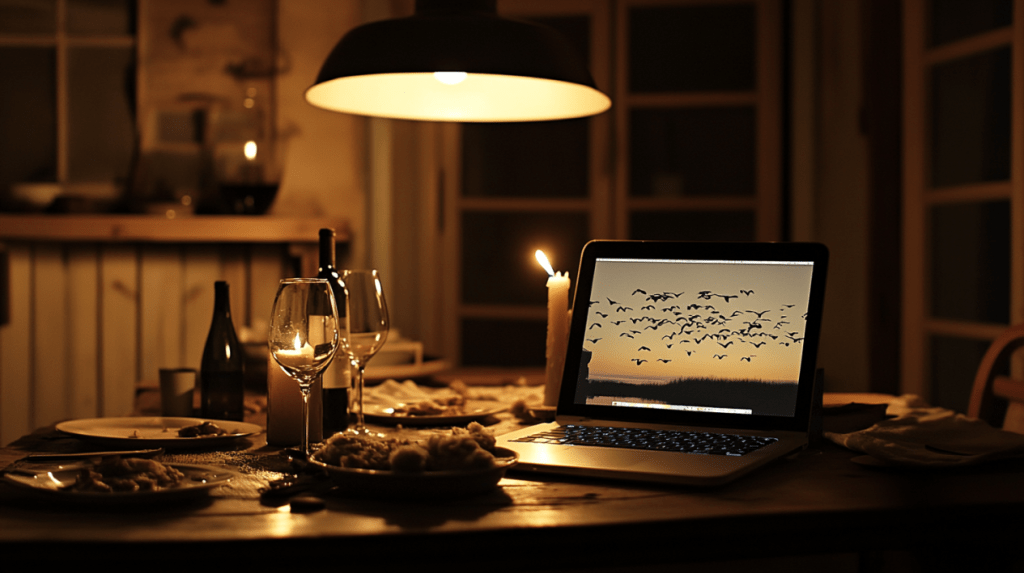
Ben opened his backpack and pulled out his laptop. “Alright, let’s see if anything turned out.”
He set it on the table, rotated it so everyone could see, and opened the folder marked with the day’s date.
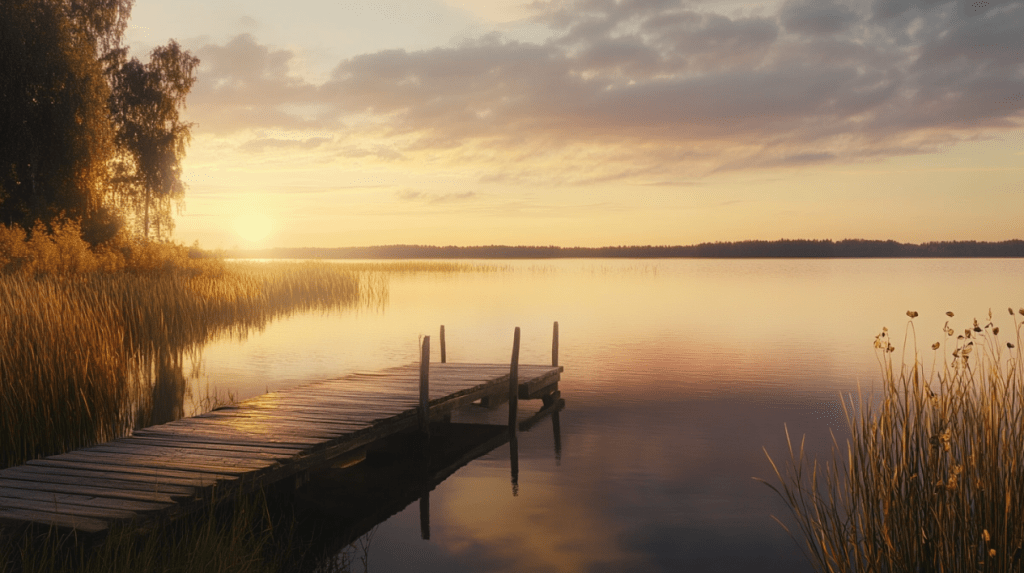
The first image was of the wooden dock at twilight — the lagoon flat as glass, with the sun just beginning to dip behind a line of trees.
“Whoa,” Julia said quietly. “That light.”
Ben grinned. “Right? I didn’t even adjust it. Just straight from the sensor.”
The next photo showed a single swan gliding through the golden reflection, its trail curving like a brushstroke.

Emma leaned in. “I didn’t even notice you got that shot. It feels… timeless.”
Tomas nodded. “It’s the kind of picture you don’t have to explain.”
Renata pointed at a third image — silhouettes of the group. “That’s us, isn’t it? I love that you didn’t ask us to pose.”
Ben shrugged. “I like catching things as they are.”
Someone got up to pour the last of the wine. Outside, the wind had picked up slightly, and the curtains fluttered gently.
They sat there for a while longer, quietly looking at the images, as if trying to stretch the evening just a little further.
潟湖的照片
晚餐過後,他們沒有急著離開,大家坐在桌邊,餐具收走了,但飯菜的餘溫還留在空氣中。
班從背包裡拿出筆電:「來,看一下今天拍得怎麼樣。」
他把筆電打開,轉向大家,點開一個以當天日期命名的資料夾。
第一張是傍晚的潟湖碼頭——湖面像玻璃一樣平靜,夕陽正好落在遠方樹影後面。
「哇,」茱莉亞低聲說,「這光線也太美了。」
班笑了:「對吧?這張我完全沒調色,原檔直出。」
下一張是天鵝滑過金色水面的照片,牠的軌跡像一筆輕刷的筆觸。
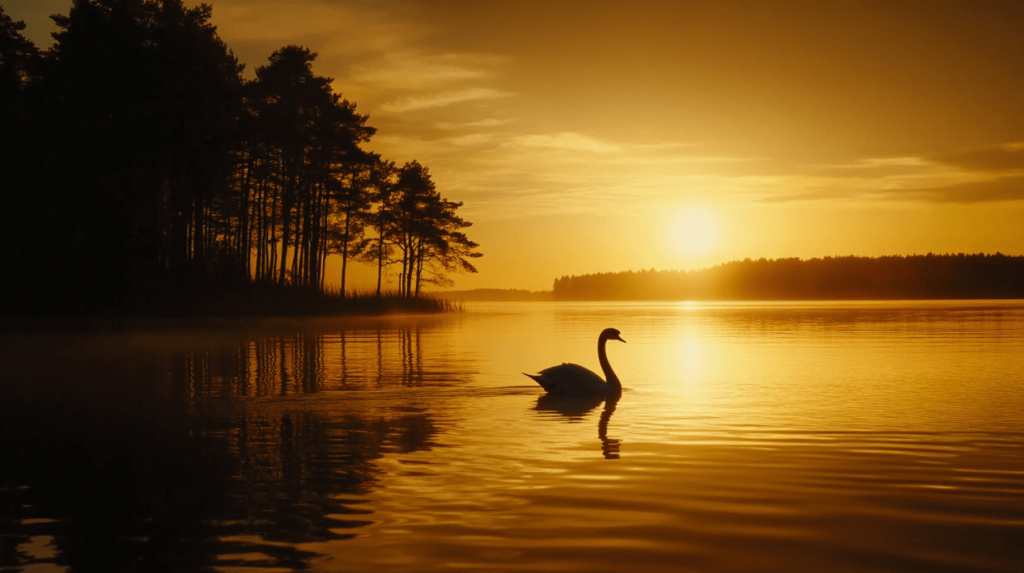
艾瑪湊近看:「你那時候拍這個我都沒發現。感覺……有種穿越時間的感覺。」
托馬斯點點頭:「這種照片,不需要多說什麼。」
雷娜塔指著第三張照片,那是一群人的剪影:「這是我們吧?我喜歡你沒讓我們擺姿勢。」

班聳聳肩:「我喜歡自然的樣子。」
有人起身把剩下的果酒倒進杯子。窗外的風稍微變大,窗簾輕輕飄了起來。
他們就這樣坐了一會兒,靜靜地看著照片,好像想把這個夜晚再延長一點。


發表留言