
A Relaxing Afternoon
They arrived at the guesthouse just as the afternoon sun lit up the yellow and blue wooden facade. The house was quiet, nestled behind a small garden with trimmed pine shrubs and stone paths leading to the entrance. A woman in her sixties greeted them and led them around the side, up a few steps into the central hallway.
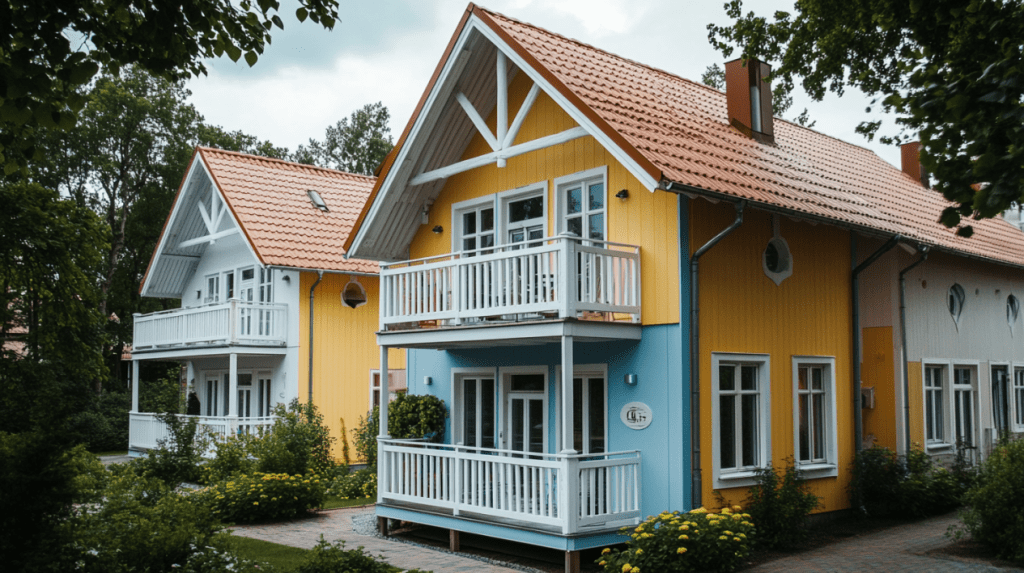
The inside smelled faintly of wood and fresh linen. Tomas had booked two rooms on the same floor, both facing a shared common space with a round table, a small couch, and a window that overlooked the backyard.

Ben dropped his backpack inside the right-hand room and called out,
“Two beds in here. I guess this one’s mine."
Julia stepped into the other room with Renata close behind.
“Three single beds, clean linen, and…" — she checked the corner — “yes, a kettle."
Renata smiled. “Perfect. Girls’ room it is."
They spent a few minutes unpacking and freshening up. Outside, the wind rustled through the pine trees, and a few birds chirped from a distance.
When they gathered again in the common space, Ben was already flipping through the photos on his camera, and Renata had made a pot of herbal tea. For the first time that day, nobody seemed in a rush to move. The afternoon drifted in quietly, like it was part of the house itself.
輕鬆的午後時光
午後陽光剛好照亮黃藍相間的木牆。小屋靜靜地藏在矮松和石板小徑之後,一位六十多歲的女主人從側門迎接他們,帶他們繞過一排綠籬,走上幾階樓梯進入屋內。
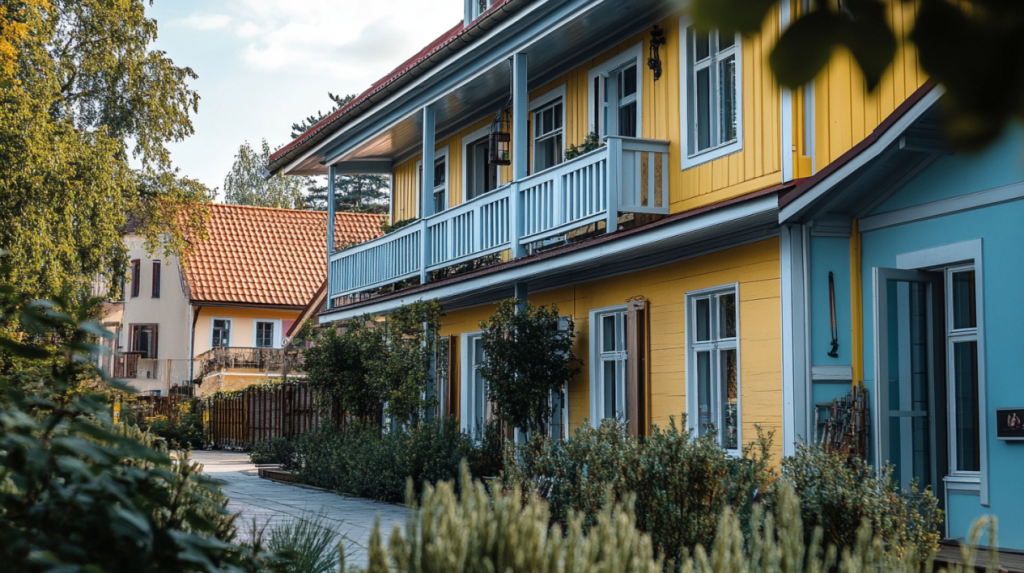
屋裡飄著木材和剛換洗過床單的清淡氣味。托馬斯早已訂好兩間在同一樓層的房間,彼此相鄰,中間是一個簡單的共享空間,有張圓桌、一張小沙發,窗外能看到後院的花草和幾棵老松。
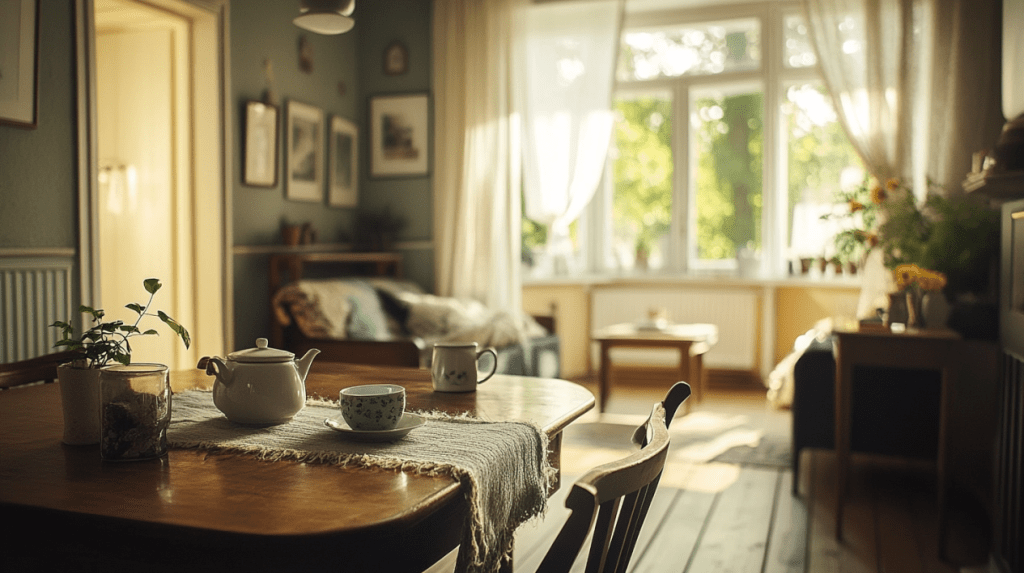
Ben把背包放進右邊的房間,朝外喊了一聲:
「這間有兩張床,看來是我睡這裡了。」
茱莉亞走進左邊那間房間,雷娜塔也跟了進去。
「三張單人床,床單很乾淨,還有……」她瞄了一眼角落,「有熱水壺。」
雷娜塔笑著點點頭:「那就決定了,女生這間。」
大家花了幾分鐘整理東西、換洗一下。窗外的松樹在風中輕輕搖晃,遠方傳來幾聲鳥鳴。
等他們再次聚在中間空間時,Ben 已經翻出相機在看照片,雷娜塔則泡了一壺花草茶。這是他們今天第一次真正靜下來。午後陽光斜斜地灑進來,像是也在這棟房子裡找到了歇腳處。
Traces of East Prussia in Nida

Ben opened his laptop and clicked through the photos he had taken earlier that day.
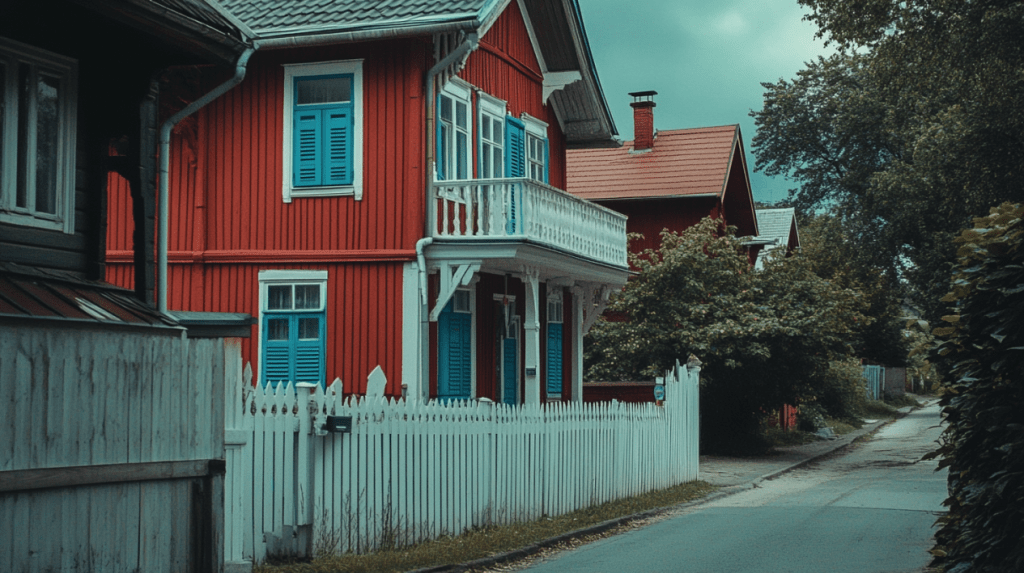
“Look at these houses," he said, pointing at the screen. “The colors are amazing—deep red walls, blue shutters, white balconies. It doesn’t feel like other places we’ve been in Lithuania."
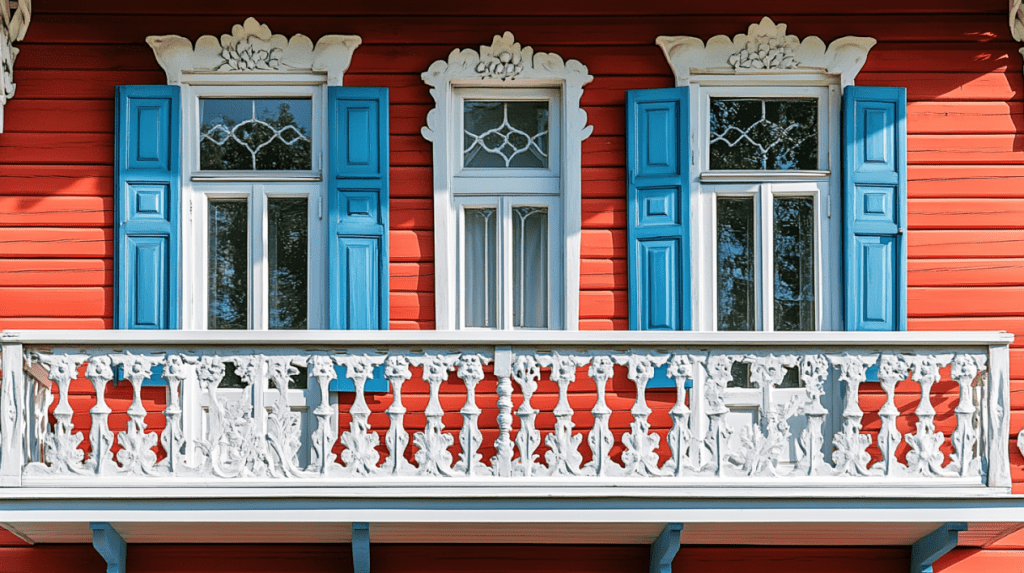
Emma leaned in and nodded. “That kind of decorative style—especially the woodwork and color combinations—reminds me more of old German seaside towns. Wasn’t this part of East Prussia before the war?"
Tomas set down his cup of tea. “Yes, exactly. Nida and the Curonian Spit were part of East Prussia until the end of World War II. So what you’re seeing isn’t just aesthetic—it’s a legacy of the region’s German history."
Renata added, “Even the Lutheran church here feels different compared to the Catholic churches in the rest of Lithuania."
Emma looked thoughtful. “And the houses we’ve seen in inland Lithuania—like in Aukštaitija or Samogitia—are usually plainer, with grey or brown walls, not this kind of bold color."
Tomas nodded. “This region was settled differently. After the war, many of the original German inhabitants were forced out, and people from other parts of Lithuania moved in. But the architecture remained."
Ben scrolled to another picture. “So these houses are… cultural artifacts?"
“In a way, yes," said Tomas. “They’re traces of a former identity. And now they’re part of how Nida sees itself—somewhere between Lithuania and its layered past."
尼達鎮裡的東普魯士記憶
Ben 打開筆電,點開他白天拍下的照片。
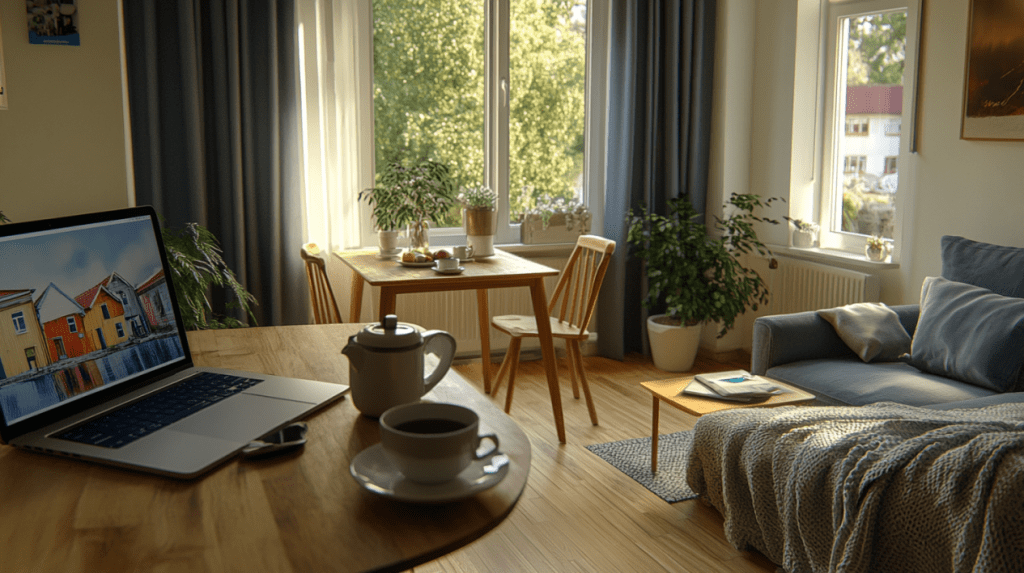
「你們看這些房子,」他指著螢幕說,「紅色牆面、藍色百葉窗、白色陽台——跟我們之前在立陶宛看到的地方完全不同。」

Emma湊過去點點頭:「這種裝飾風格——特別是木頭雕花和配色——讓我想到德國沿海小鎮。這裡以前是東普魯士的一部分,對吧?」

Tomas放下茶杯說:「對,沒錯。Nida 和整個沙嘴在二戰前屬於東普魯士。你看到的這些外觀,不只是設計風格,而是這個地區德國歷史的遺跡。」
Renata補充:「這裡的路德宗教堂也跟立陶宛本土常見的天主教堂感覺很不一樣。」
Emma若有所思地說:「我們在本土像是 Aukštaitija 或 Samogitia 看到的房子,多半是灰色或棕色牆面,比較樸素,沒有這種鮮明的配色。」
Tomas點頭:「這一區的歷史背景完全不同。戰後原本的德國居民大多被迫遷出,來自立陶宛其他地區的人搬進來。不過建築本身被保留下來了。」
Ben又滑到下一張照片:「所以這些房子,也算是一種文化遺產?」
Tomas笑了笑說:「可以這麼說。它們是過去身分的痕跡,而現在也成為 Nida 身份的一部分——介於立陶宛與它多層歷史之間。」
Layers Beneath the Dunes
Julia looked up from her laptop with a spark in her eyes.
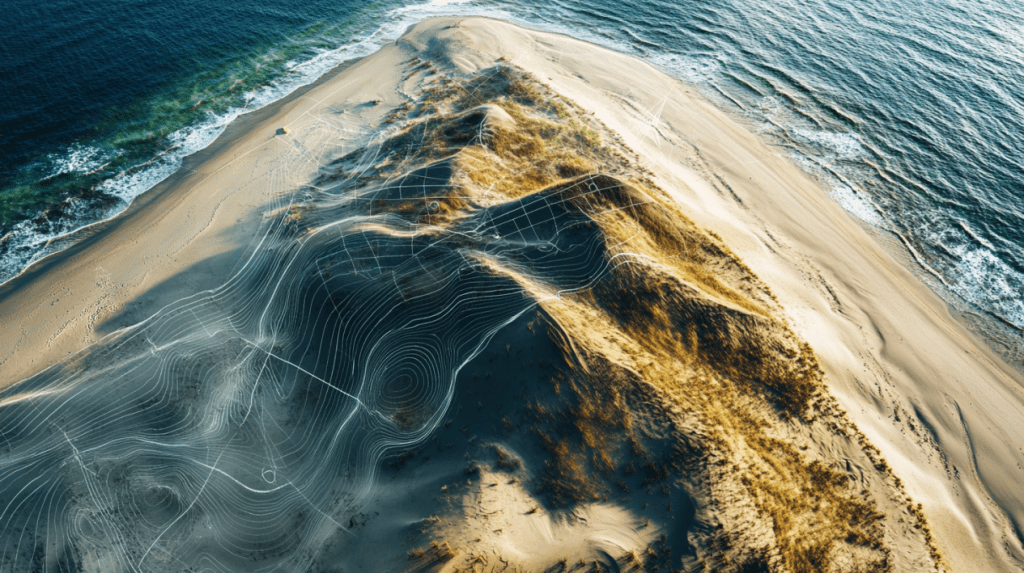
“I’ve just read something fascinating about the sand dunes near Nida,” she said.
“Researchers are now using satellite imagery and ground-penetrating radar to track how these dunes are shifting over time.”
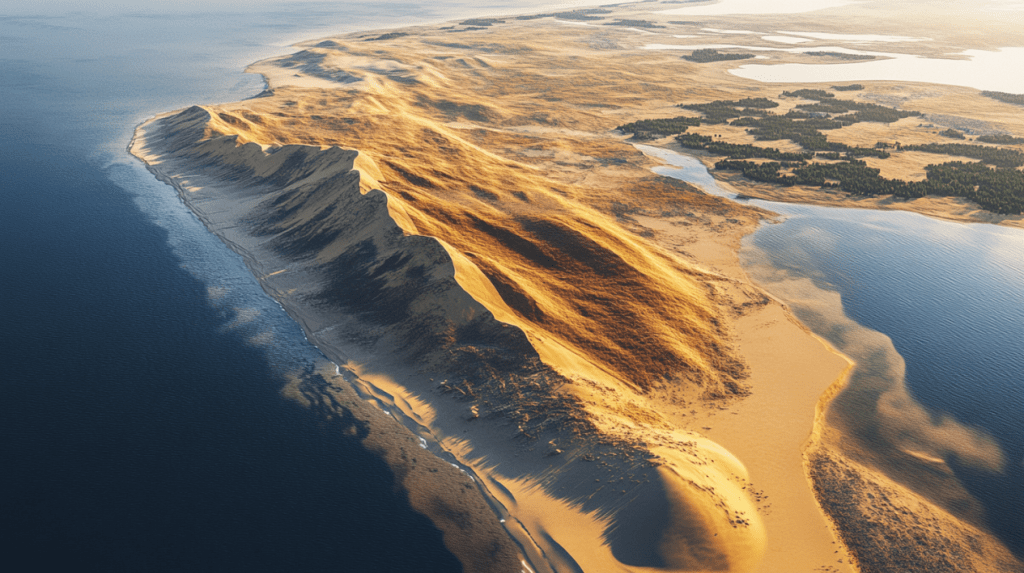
Overlay of Ground-Penetrating Radar and Satellite Imagery on Baltic Sand Dunes
That got Ben’s attention. “Sounds like spy tech,” he said, half-joking.
Emma smiled. “Actually, those tools are really common in archaeology and geology.”
Julia nodded.
“There was even a team here trying to locate a WWII prisoner-of-war camp near the Parnidis Dune. They didn’t find the camp, but they mapped out the dune structure in incredible detail.”
Tomas joined in. “Entire villages were buried by sand here before the 19th century. That’s why the pine forests were planted—to keep the dunes in place.”
“And it’s still happening,” Julia added.
“Some rare dune habitats are being taken over by grass because of climate change. Scientists are even suggesting using grazing animals to help preserve the ecosystem.”
“Cows on the dunes,” Ben laughed. “Now that I want to see.”
Tomas chuckled. “Sheep were actually used before. These dunes look calm, but they’ve always been shifting—both naturally and politically.”
Emma looked out the window. “This place isn’t just beautiful—it’s layered.”
沙丘底下的故事
陽光從窗戶斜斜照進來。Julia 一邊看著筆電,一邊抬起頭說:
「我剛剛看到一篇超有趣的文章,是關於 Nida 附近的沙丘耶。研究人員現在會用衛星影像和地面穿透雷達,追蹤沙丘的移動。」
Ben 馬上被吸引住,開玩笑地說:「聽起來像是間諜電影裡的科技。」
Emma 微笑著解釋:「其實這些工具在考古和地質研究裡很常見啦。」
Julia 接著說:「有一組研究團隊還來這裡找二戰時期的戰俘營,雖然沒找到,但他們掃描出沙丘內部的精密結構。」
Tomas 加入談話:「以前這裡真的有整個村莊被沙埋掉。十九世紀以後,人們開始種松樹來穩定沙丘。」
Julia 點頭:「而現在有些沙丘棲地又被過度生長的草覆蓋,因為氣候變遷。科學家甚至建議引進放牧動物來維持生態平衡。」
Ben 大笑:「沙丘上放牛?我還真想看看。」
Tomas 笑著補充:「別笑,以前真的有放羊過。這些沙丘看似安靜,實際上一直都在變化,不論是自然還是人為。」
Emma 看著窗外,若有所思地說:「這地方真的不只是漂亮,它有層層故事。
Renata’s New Video Plan
Renata set down her mug and leaned forward.
“I’ve been thinking about my next YouTube video. Since we’re here in Nida, I want to make something about fish—local fish, and how people cook them in different parts of Lithuania.”

She glanced at Julia and Emma.
“The Curonian Lagoon has pike and carp, mostly freshwater species, though it’s technically brackish water. People here smoke them or boil them into jelly soups.”
Julia raised an eyebrow. “Jelly soups?”
Renata laughed.
“Yes! We call it šaltiena. It’s cold fish in aspic. Not everyone loves it, but it’s very traditional.”
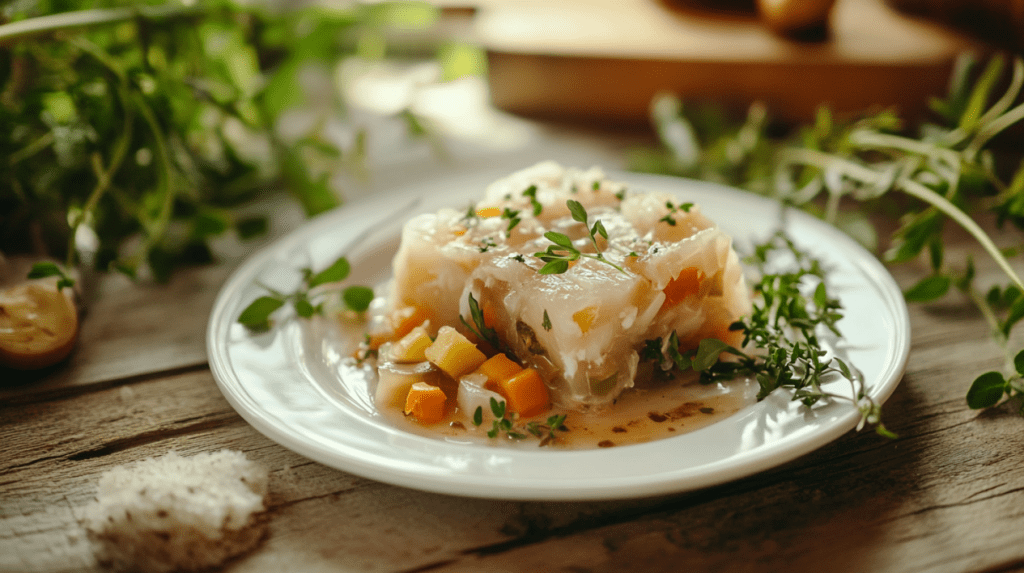
šaltiena
She continued,
“Then there’s the Baltic Sea, just over the dunes—there we get herring, cod, sometimes flounder. Saltier fish, and people often pickle or fry them. My grandmother made a fried cod dish that I still can’t replicate.”
Emma smiled. “And near Vilnius? I guess it’s mostly river fish?”
“Exactly,” said Renata.
“The Neris River gives us perch, catfish, sometimes eel. In the countryside, people stew them with root vegetables or wine. It’s more subtle, more earthy.”
She paused, then added with a grin,
“I thought maybe tomorrow, we could go to the market and get some fish from the lagoon. I’ll cook, and you can help film.”
Renata 的拍片構想
Renata 放下馬克杯,身子微微向前傾。

「我最近一直在想下一支 YouTube 影片的主題。既然我們現在人在 Nida,我想拍一集關於立陶宛各地魚類和料理方式的影片,讓大家看看這個國家有多豐富。」
她看了看 Julia 和 Emma。
「庫羅尼亞潟湖其實是淡水為主的潟湖,這裡常見的是梭魚、鯉魚,有些人會拿來燻,也有人會煮成像肉凍一樣的湯。」
Julia 驚訝地問:「像肉凍?」
Renata 笑了:「對,我們叫 šaltiena,是一種冷魚凍湯,不是每個人都喜歡,但真的很傳統。」

šaltiena 冷魚凍湯
她接著說:「然後你們知道嗎?沙丘那邊就是波羅的海,那裡的魚比較鹹,像是鯡魚、鱈魚,有時也有比目魚。通常會醃製或油炸。我奶奶做的炸鱈魚超厲害,我到現在都學不來。」
Emma 微笑:「那維爾紐斯附近呢?應該是河魚吧?」
「沒錯,」Renata 點頭。「涅里斯河裡面有河鱸、鯰魚、有時還有鰻魚。鄉下的人會用紅酒或根莖類蔬菜一起燉,味道比較溫和、帶點泥土氣息。」
她停頓了一下,笑著補充:「我在想,也許明天我們可以去市場找找看潟湖的魚,我來煮一鍋,你們幫我拍?」
Evening at a Local Tavern in Nida
They didn’t feel like cooking that night. As the sun dipped low over the rooftops of Nida, the five of them made their way down the cobbled street to a small tavern near the center of town.
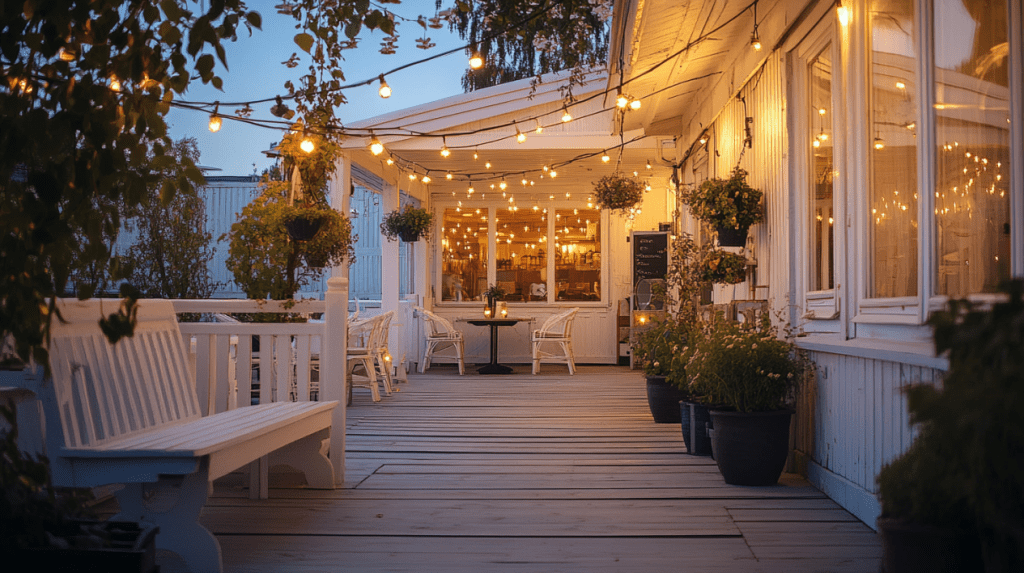
The building had a broad wooden façade, flower boxes on the windows, and a small terrace lined with wooden benches. A few locals were already seated outside, nursing pints of amber beer under the warm light of the evening.
Inside, the place smelled of grilled meat, garlic, and rye bread. The waiter brought them menus in both Lithuanian and German, and Julia whispered, “This place feels more like a countryside inn in Bavaria than a beach town.”
Renata grinned. “That’s not entirely wrong. Nida used to be part of East Prussia. You can feel it in the way they season the food. Hearty, but not heavy.”
They ordered a plate of smoked fish, roasted potatoes with dill, and a dark beet salad. Renata asked for a local unfiltered beer, while Julia and Emma went with a lighter golden ale.
Emma lifted her glass. “So, what do people usually drink here? Beer? Wine?”
Renata thought for a moment. “Mostly beer with meals, especially in places like this. Wine is more of a summer-cottage thing, or for tourists. Locals like their beer cold, a bit bitter, and always with food.”
Julia sipped hers. “This one’s stronger than I expected. But I like it.”
They sat quietly for a moment, letting the hum of conversation, the clink of glasses, and the slow twilight settle around them.
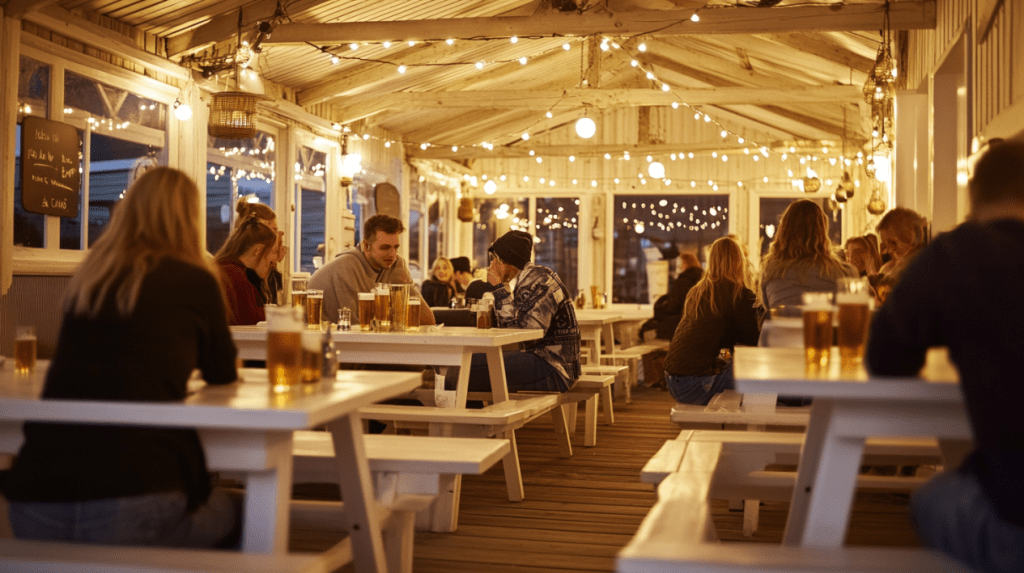
As they waited for their food, Ben glanced around the terrace.
“Do you think most of the people here are locals or tourists?”
Renata took a sip of her beer and looked over her shoulder.

“That couple by the window—they’re definitely local. You can tell by how they speak. The accent is soft, coastal. They’re not in a hurry.”
Emma nodded toward a family at the next table. “But that group with the kids—they sound Polish?”
“Could be,” said Renata. “Or maybe from Klaipėda. In summer, this place gets a mix. Some Lithuanians come from Vilnius or Kaunas just to escape the city. Others are German or Polish tourists who’ve been coming here for decades.”
Julia lowered her voice. “And what about us? What do we look like to them?”
Renata smiled. “Probably academics trying too hard to look relaxed.”
Emma laughed. “They wouldn’t be wrong.”
傍晚在鎮上的小餐館
那天晚上她們沒打算自己煮飯。傍晚的陽光灑在 Nida 鎮上低矮的屋頂上,五人沿著石板路走向鎮中心的一家小餐館。
那棟建築是典型的木造老屋,窗台上擺著盛開的花盒,門前的露台上排著幾張木製長凳。幾位當地人已經坐在外頭,手裡端著金黃色的啤酒杯,在暮光中悠閒地聊天。

屋裡飄著烤肉、蒜香與黑麥麵包的氣味。服務生送上菜單,有立陶宛文也有德文,Julia 小聲說:「這裡感覺比較像巴伐利亞的小酒館,不像海邊小鎮耶。」
Renata 笑了笑:「這一帶以前是東普魯士,其實你這樣講也不算錯。連食物的調味都能感覺出來——很實在,但不會太油膩。」
她們點了煙燻魚拼盤、蒔蘿烤馬鈴薯和甜菜沙拉。
Renata 要了一杯本地的無濾過啤酒,Julia 和 Emma 則選了比較清爽的淡色啤酒。

Emma 舉起酒杯:「這裡的人平常是喝啤酒還是喝葡萄酒啊?」
Renata 想了想:「吃飯大多是啤酒,像這種地方特別明顯。葡萄酒比較像夏天在湖邊度假屋才會出現的東西吧。當地人喜歡冰的、苦一點的啤酒,而且一定要配食物。」
Julia 嘗了一口:「比我想像的濃,但很好喝。」
他們安靜地坐了一會兒,聽著杯子的碰撞聲、遠處的笑語,讓這個緩慢的傍晚自然地流了下來。

等餐的空檔,Ben 環顧了一下露台上其他的客人。
「妳覺得這裡坐的大多是當地人,還是遊客?」
Renata 喝了一口啤酒,回頭看了看靠窗的一對中年夫妻:「那兩位應該是本地人,他們講話的口音很柔,是這裡海邊人的調子,而且看得出來他們一點都不急。」
Emma 指了指隔壁桌的家庭:「但那桌小孩在跑來跑去的,好像在講波蘭語?」
「有可能,」Renata 說。
「也可能是從 Klaipėda 來的。夏天這邊會有很多混合的人群,有些是從維爾紐斯或考那斯來避暑的本地人,也有常年會來這裡的德國或波蘭遊客。」
Julia 壓低聲音笑問:「那我們看起來像什麼?他們會不會以為我們是觀光客?」
Renata 笑了:「看起來像一群學者假裝在放鬆吧。」
Emma 忍不住笑出聲:「那他們猜得還挺準的。」
Walking Back to the Guesthouse
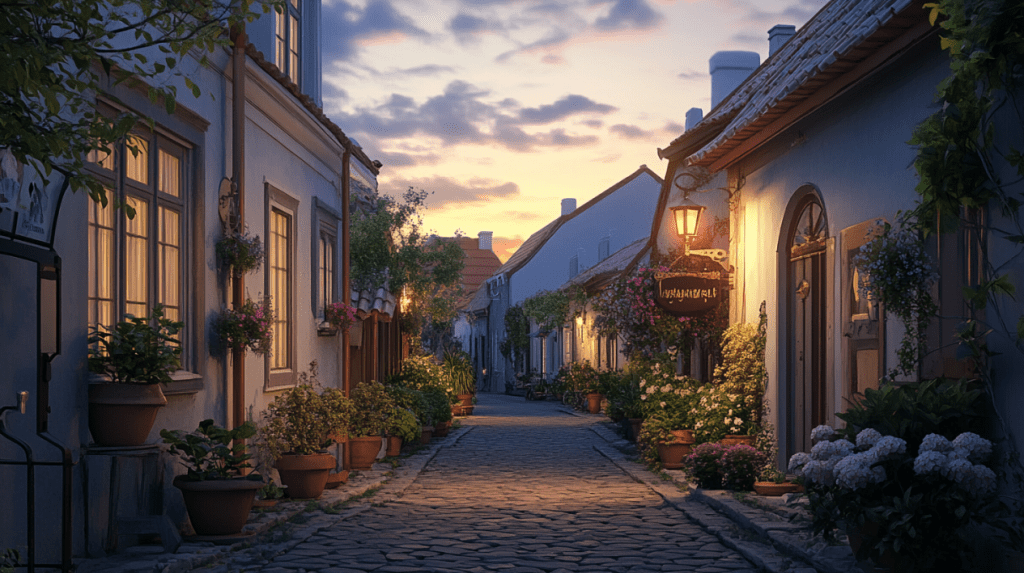
They left the tavern just as the last traces of sunlight faded behind the rooftops. The wooden houses along the street glowed softly from within, their small windows casting warm yellow rectangles onto the pavement.
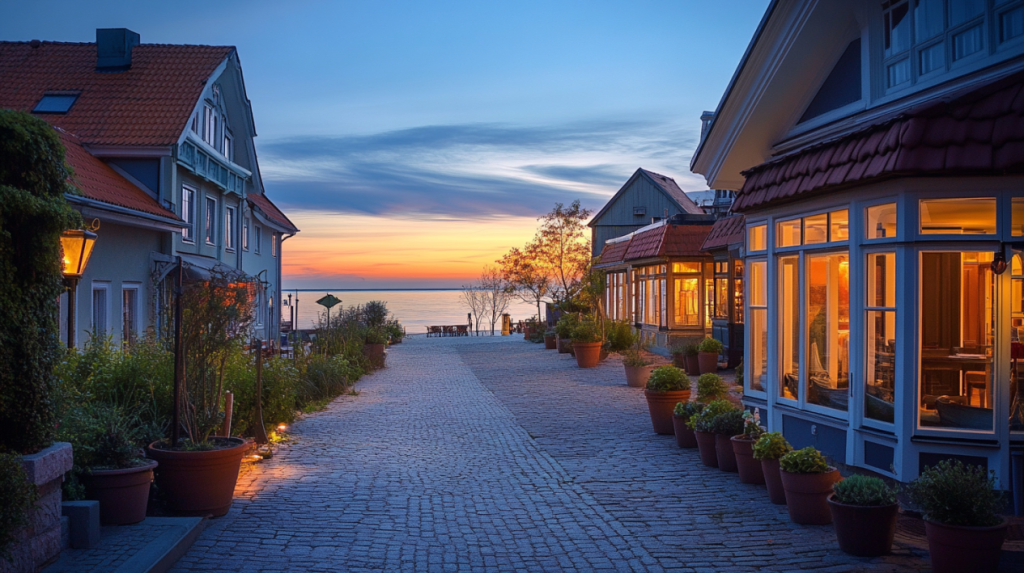
The night air smelled faintly of pine and grilled fish, with a breeze rising from the lagoon.
Julia kicked at a loose stone as they walked.
“I read something today—about how they’ve widened the channel to let boats into the lagoon. It’s letting in seawater, and that’s slowly changing the whole ecosystem.”
Renata walked a few steps before answering.
“Yeah. Especially near Klaipėda. The salinity’s rising. It’s still mostly freshwater, but not like it used to be.”
Emma looked over. “Does it affect the fish?”
Renata nodded. “Some can’t tolerate even a slight shift. And the plants, too. The local fishermen say things are getting harder. They need to adapt, but not everyone can afford to.”
They turned down a narrower path, lined with potted herbs and sagging wooden fences.
Julia slowed her pace. “We change nature to make life easier for us, and someone else ends up paying the price.”
Renata smiled faintly.
“If we catch a good sunset tomorrow, I think I’ll end the video with that line.”
走回民宿
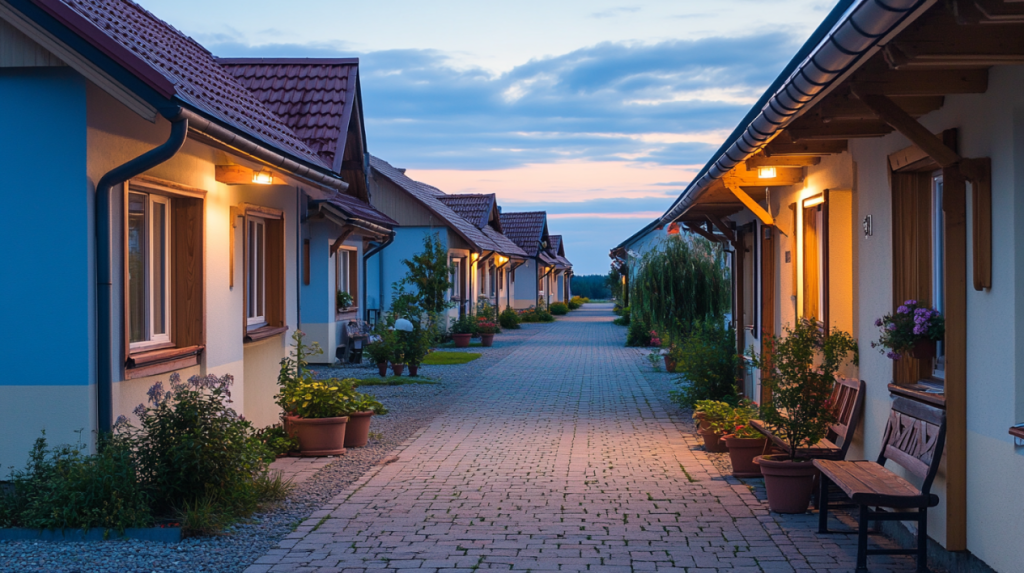
他們離開餐館時,天色已經暗了下來,街道兩旁的老屋靜靜地沉在黃昏的光裡,木造外牆與陽台的欄杆在路燈下泛著柔和的光。路邊的樹還留著些許白天的熱氣,空氣中帶著點濕潤的松針味。
Julia 一邊走一邊說:「我今天看到有文章說,為了讓船能進來,潟湖的入口被加寬,結果海水灌進來,整個生態都變了。」
Renata 沒有立刻回答,只是看了一眼遠處黑影中的潟湖方向。
「嗯,對。那邊的魚和植物已經跟我小時候看到的不太一樣了。」
Emma 跟上來:「所以現在還算是淡水嗎?」
「算是淡水,但越來越不純了,」Renata 回答。
「那些需要很乾淨環境的魚種慢慢消失,漁法也跟著變。不是每個人都有餘力去適應。」

Julia 說:「我們改變自然來方便自己,卻讓另一群人生活更困難。這樣的故事哪裡都一樣。」
Renata苦笑:「如果明天拍到夕陽,我一定把這句話剪進影片裡。」

 Virtual Travel | 虛擬旅行沉浸式英語學習
發表留言